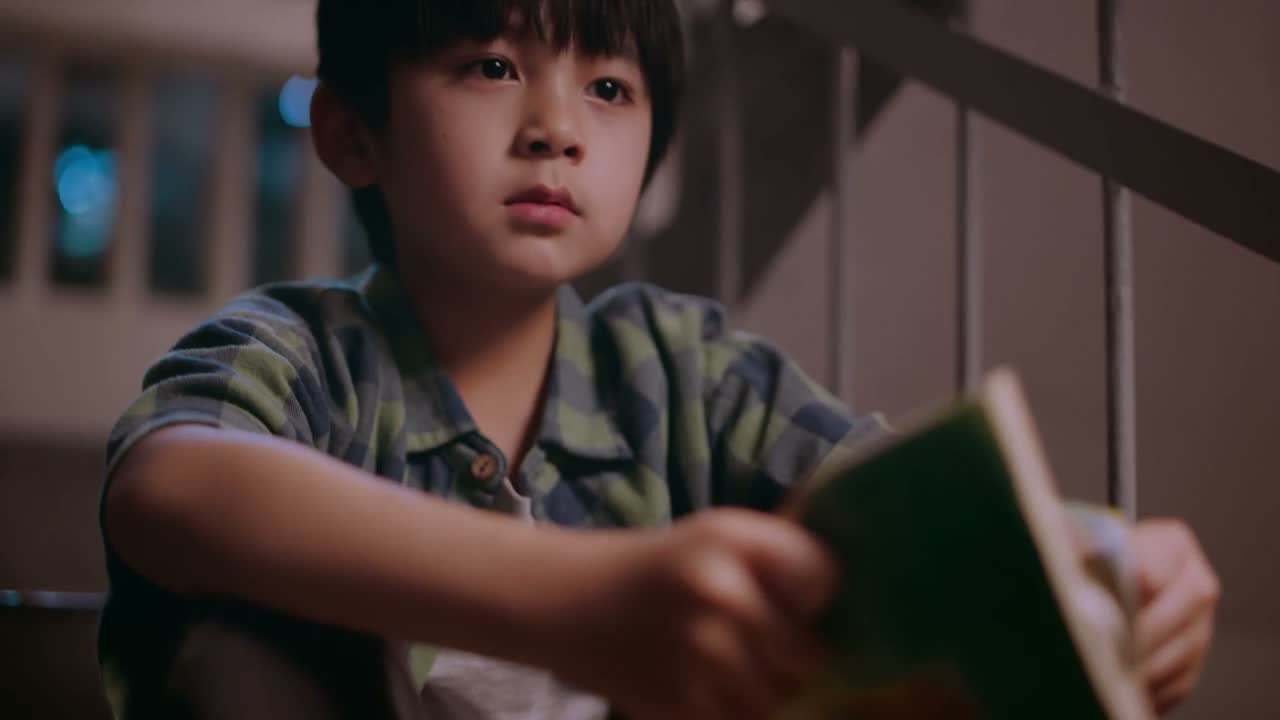
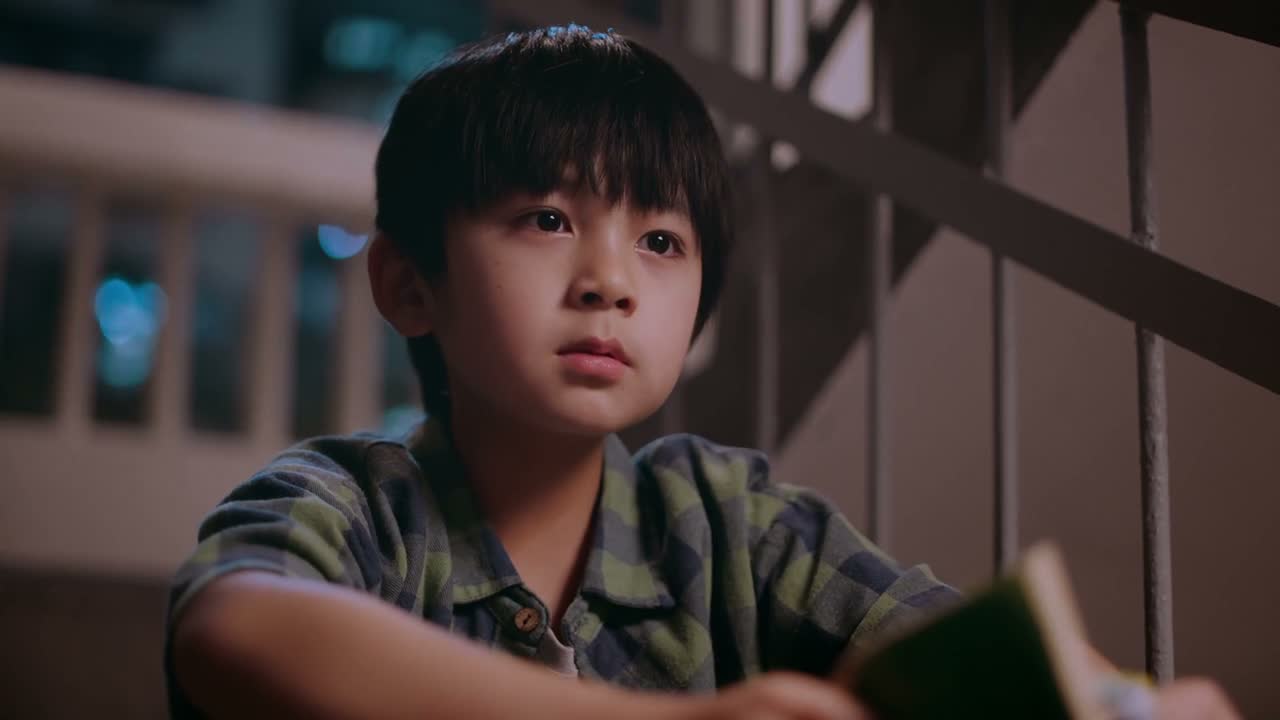
我是来找我女儿的 接她回家过年
“I'm here for my daughter. I'm taking her home for the festival.”
THE DIALOGUE REEL
师傅
“Sir,”
我是 来找我 女儿的 接她回家 过年
“I'm here for my daughter. I'm taking her home for the festival.”
她在这个食堂里面 帮工呢 这工地上一个人
“She works here at the cafeteria as a helper. There's no one on this”
Direct spoken expression in this communicative setting.
Spring Festival is the most important traditional holiday for Chinese people. No matter how far away they are or how busy they are with work, rushing back to one's hometown at year-end to share New Year's Eve dinner and reunite with family is a deeply rooted cultural mindset and emotional need (the primary driving force behind 'chunyun', the Spring Festival travel rush).
LEARNING CHUNKS & PARTICLES
to return home to celebrate Chinese New Year with family
A core cultural expression in China, commonly used to describe plans or wishes to return home for family reunion at the end of the year.
used to directly state one's identity, purpose, or reason for coming
A very natural and high-frequency spoken sentence structure, such as 'wo shi lai kai hui de' (I am here for a meeting) or 'wo shi lai jie ren de' (I am here to pick someone up).