我也不习惯在病房里 大吃大喝
“And I don't like eating a big meal in the ward.”
THE DIALOGUE REEL
无功不受禄
“I can't accept free gifts.”
我 也不 习惯在病房里 大吃大喝
“And I don't like eating a big meal in the ward.”
好啊 好啊
“Okay.”
“I really can't accept this lavish treat, and it feels inappropriate to indulge in a hospital ward anyway.”
Echoing the idiom 'wu gong bu shou lu' (not accepting rewards or favors without merit), Chinese culture values not receiving lavish hospitality without cause. Furthermore, Chinese social etiquette emphasizes maintaining quiet and restraint in hospital wards, viewing lavish feasting ('da chi da he') in a patient's room as disrespectful and inappropriate.
LEARNING CHUNKS & PARTICLES
To feast or indulge in eating and drinking without restraint.
Commonly used in spoken Chinese. It can carry a slightly negative connotation of wastefulness or indulgence, or simply describe eating an overly hearty, lavish meal.
To be unaccustomed to a certain behavior, practice, or environment.
Frequently used as an emotionally intelligent and polite way to decline someone's suggestion or invitation.
VOCABULARY & EXPRESSIONS
Parallel Spoken Cinema Scenes (语义近邻切片)
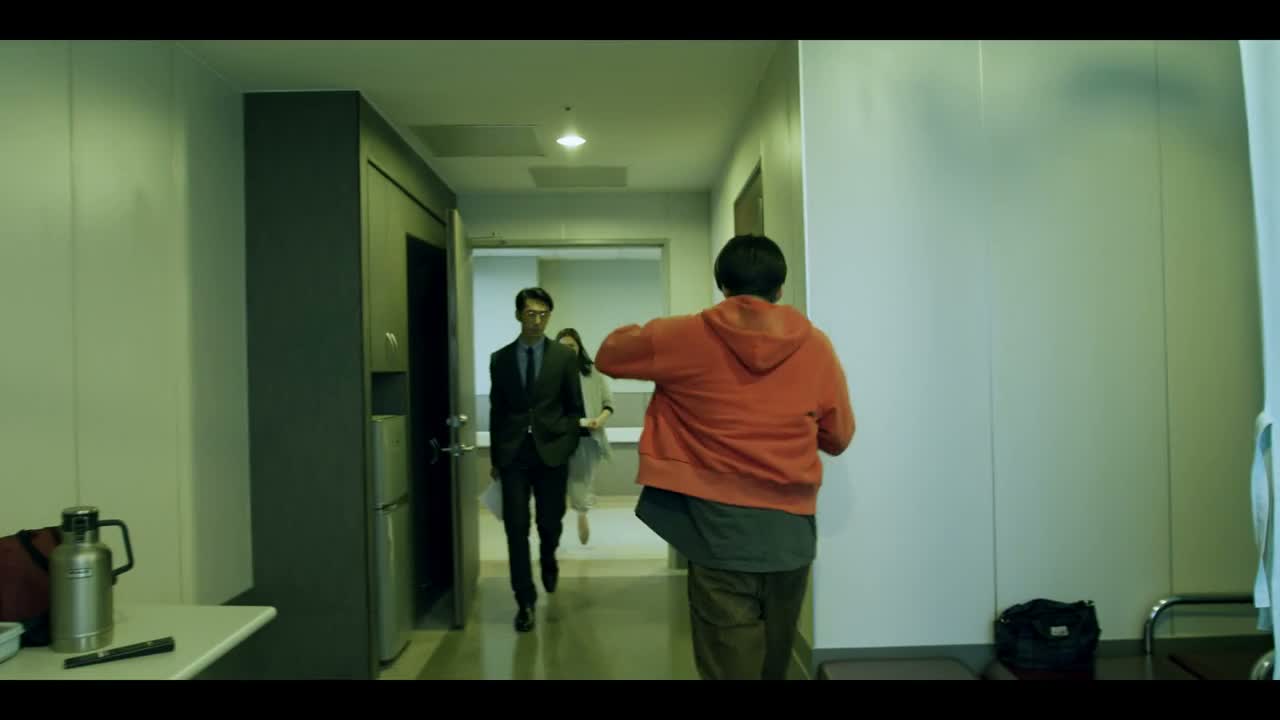
“[mother] You can't just barge in! Mrs. Wei, I'll see you later.”
“[mother] What are you doing? You can't just barge in!”

“As long as you get into the hospital, you'll get good food, drinks and treatment,”

“Have you eaten? I ate in the police station.”
“But the second you walked into her room, you made her laugh.”

“The food for patients is not delicious at all.”