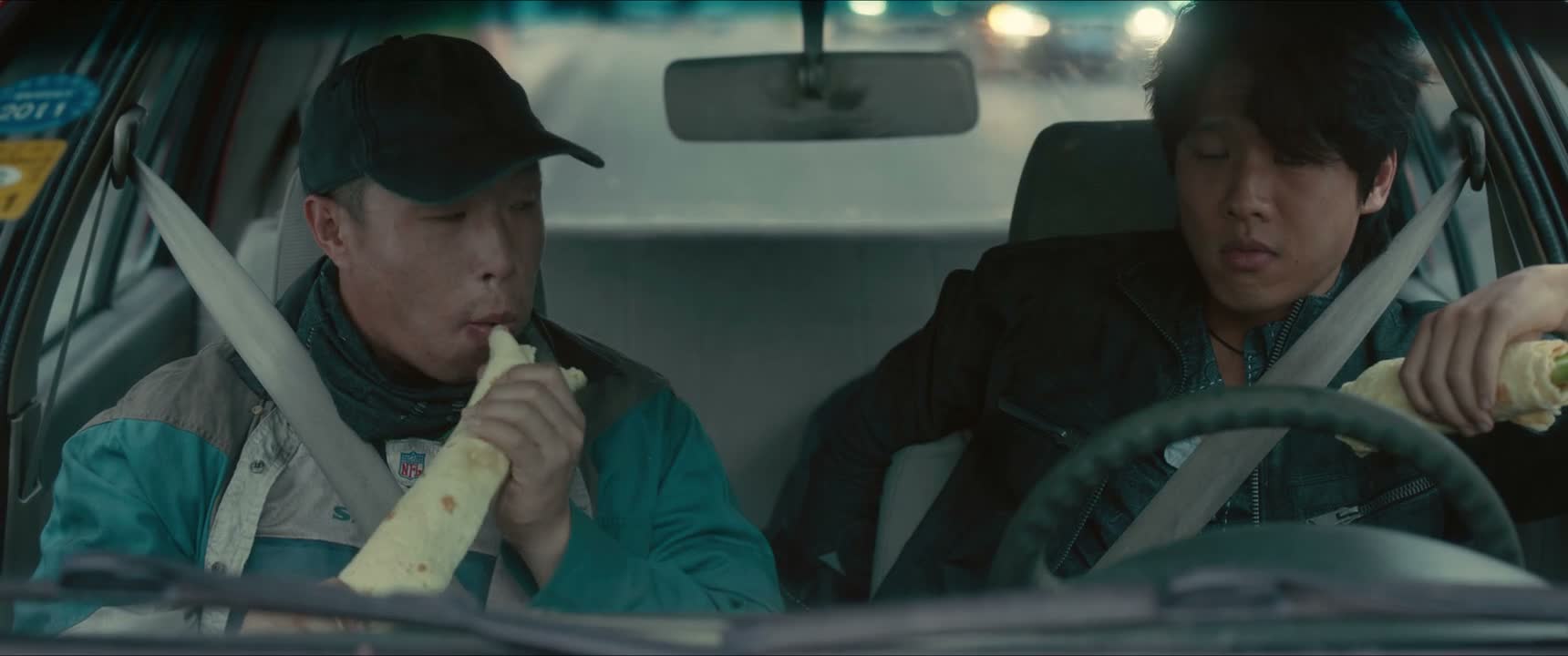
赶紧回家吃饭吧 下午还考呢
“Go home for lunch. We have another exam this afternoon.”
THE DIALOGUE REEL
还行
“Not bad.”
赶紧回家吃饭 吧 下午 还 考 呢
“Go home for lunch. We have another exam this afternoon.”
那 你呢
“What about you?”
“Hurry home and get some lunch, we've still got another exam this afternoon.”
During major examinations such as the Zhongkao or Gaokao, Chinese students typically head home right after the morning session to eat lunch and take a quick nap, ensuring they have sufficient energy for the afternoon test.
LEARNING CHUNKS & PARTICLES
quickly; in a hurry; without delay
Commonly used in spoken Chinese to urge someone or convey urgency, followed by a verb phrase.
to go home to eat
A very high-frequency everyday collocation, often referring to returning home from outside activities for lunch or dinner.
Placed at the end of an imperative sentence to soften the urging tone, making the advice sound gentle and suggestive.
Used at the end of a declarative sentence to remind the listener and draw attention to an objective fact.
VOCABULARY & EXPRESSIONS
Parallel Spoken Cinema Scenes (语义近邻切片)

“for dinner more often.”

“How come you're leaving so soon?”

“Getting back this late?”

“If we eat, it'll probably be after dinner. Remember to submit your draft today.”

“We have work to do when we get back. I'm full. Finish up and let's go.”
“He still has to go home after dinner, right?”