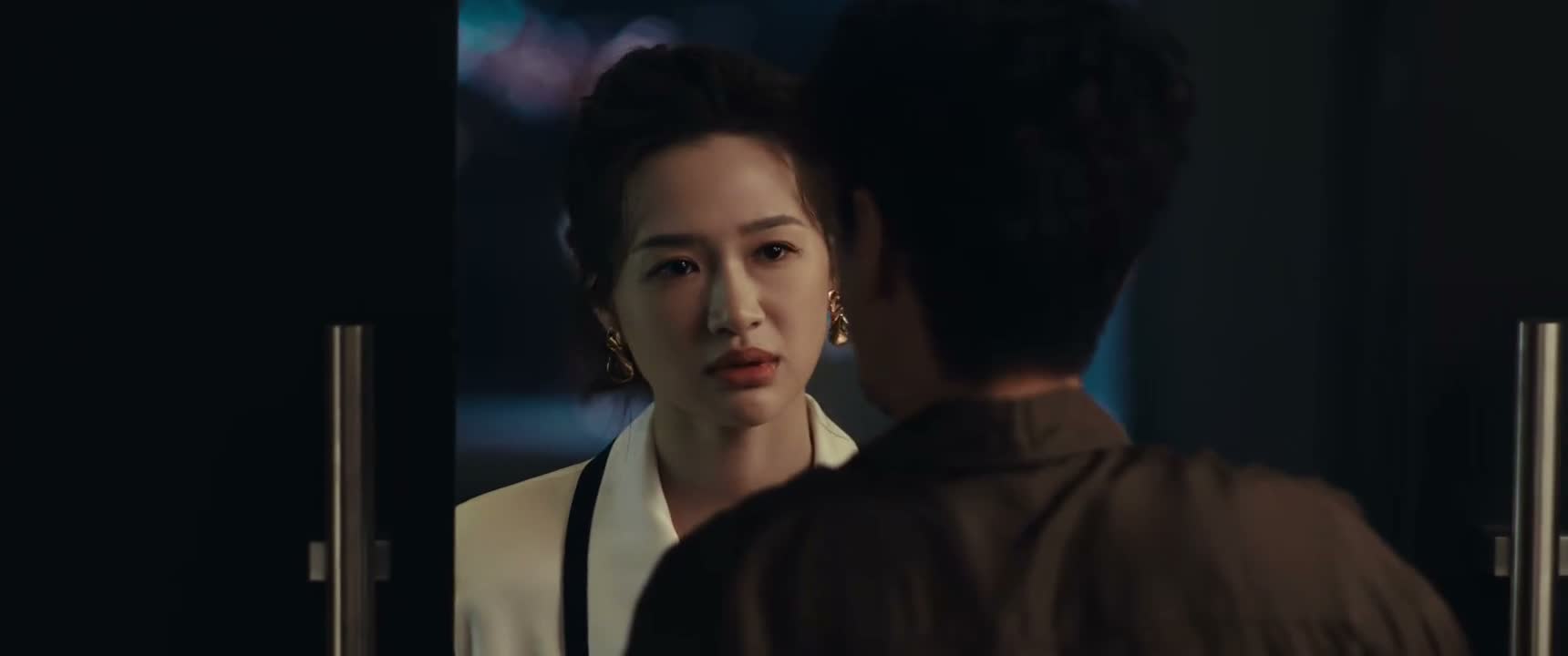
家门都进不去你还怪上我了
“I forgot my keys and couldn't even get into the house.”
THE DIALOGUE REEL
我又没带钥匙
“I forgot my keys and couldn't even get into the house.”
家门都 进不去 你还 怪上我了
“I forgot my keys and couldn't even get into the house.”
狗屁嘉年华
“Darn carnival.”
“We're locked out and you have the nerve to blame me for this?”
In Chinese families or intimate relationships, when faced with sudden everyday predicaments (such as being locked out without keys), partners often project anxiety by blaming one another—a typical interactive pattern in daily squabbles.
LEARNING CHUNKS & PARTICLES
indicates that a situation is already bad or has reached an extreme, yet the other person still does something inappropriate
Used in spoken Chinese to intensify a tone of rebuttal, accusation, or airing grievances.
blaming me instead; shifting responsibility onto me
Verb + 'shang' indicates an action starts being directed at someone, often carrying a complaining or resentful tone.
Placed at the end of the sentence to indicate a change of state, here reinforcing surprise and discontent that the other person is actually turning around to blame the speaker.
VOCABULARY & EXPRESSIONS
Parallel Spoken Cinema Scenes (语义近邻切片)

“I wouldn't have gotten in today.”

“The nerve of him to enter her home!”

“he barred the door against me.”

“rather than let him marry you.”

“If I had arrived earlier today, they wouldn't have been even allowed in.”
“Why don't you ever let me into your bedroom?”