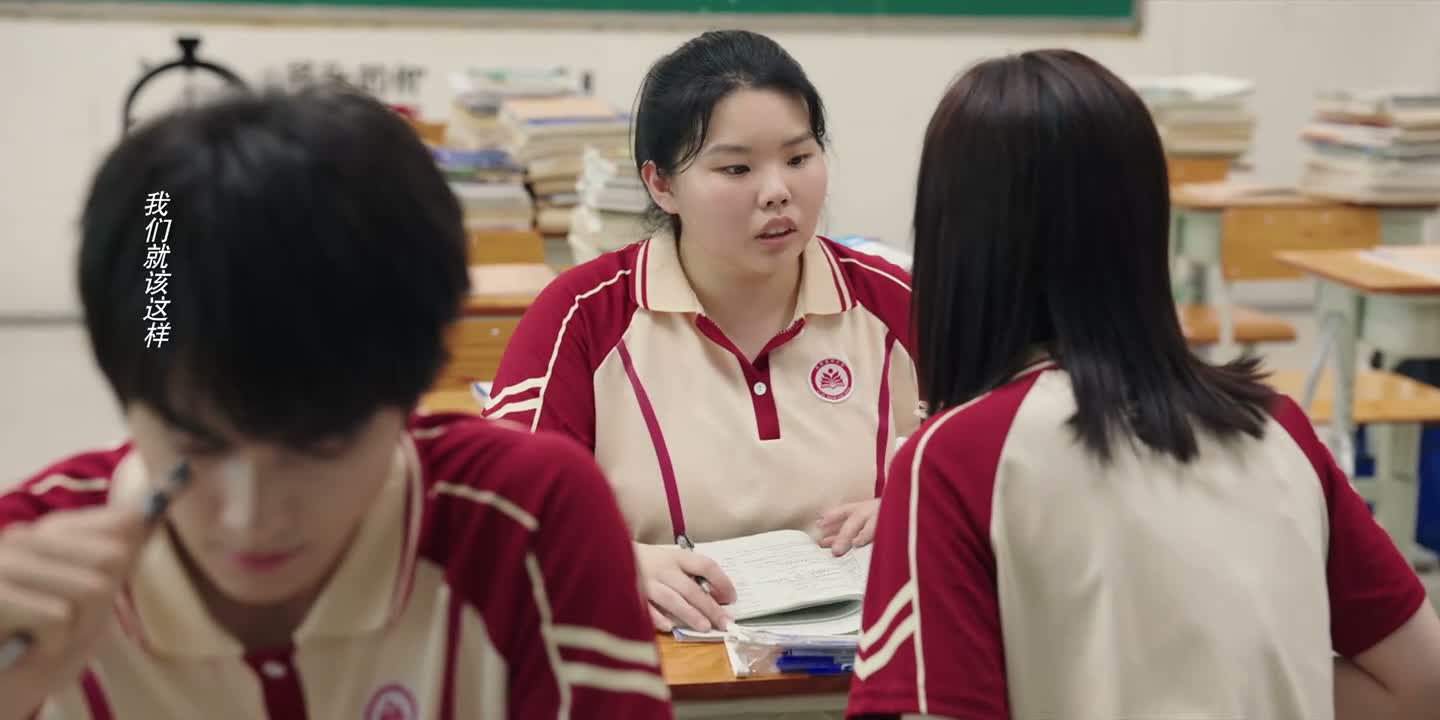
你叫李梦是吗 对 阿姨 阿姨想加你个微信
“Li Meng, right? Yeah, Auntie. Can I add you on WeChat?”
THE DIALOGUE REEL
“Why didn't you tell me you had a police officer classmate?”
你叫李梦 是吗 对 阿姨 阿姨 想加你个微信
“Li Meng, right? Yeah, Auntie. Can I add you on WeChat?”
“I like you and want to keep in touch—maybe for future help or to set you up with someone.”
WeChat is the primary platform for personal socializing and networking in modern Chinese society. When an elder takes the initiative to add a younger person on WeChat, it usually signals affection, approval, or valuing their professional or social connections for the future.
When a middle-aged woman refers to herself as 'a yi' (auntie) toward a younger person, it narrows the psychological distance across generations while conveying warmth, friendliness, and proactive interest.
LEARNING CHUNKS & PARTICLES
add on WeChat
An extremely common phrase for establishing contact in modern Chinese socializing; 'ge' softens the abruptness of the request, making it sound casual and polite.
Marks a yes-no question, used here to verify and confirm the other person's name.
VOCABULARY & EXPRESSIONS
Parallel Spoken Cinema Scenes (语义近邻切片)

“This is Mengmeng. Do you know her?”
“Wait, who are you calling Auntie?”

“Surely, you must know Mengmeng's real name.”

“do you still remember Yunxiang?”

“You were close with Auntie Chen? What should I call you?”

“Hello. I'm Li Yaling.”