MC
MandarinClips Cinema Corpus
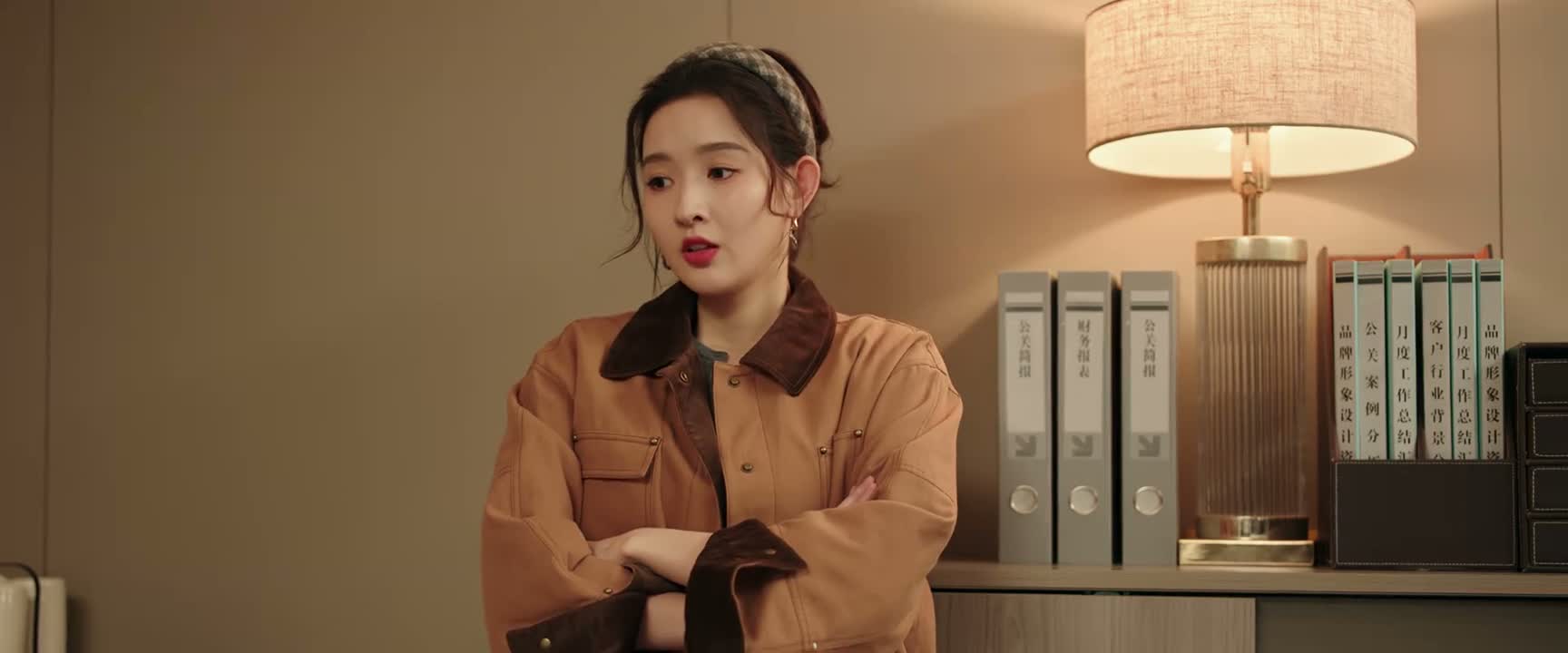
《Dog Man》 S1·E6 (18:26) HSK 6
nǐ shì chén mā de péng yǒu ba ? zěn me chēng hū a ?

你是陈妈的朋友吧?怎么称呼啊?

“You were close with Auntie Chen? What should I call you?”

《Dog Man》 S1·E6
TIMECODE: 18:26 · 1080P MASTER AUDIO

THE DIALOGUE REEL

1+1+1 SPOKEN CONTINUITY
[-1] PREVIOUS TURN - nǐ xiān jìn qù - nǐ jiào tā bǎ wǒ jiā yào shi huán gěi wǒ

- 你先进去 - 你叫他把我家钥匙还给我

“- Go inside first. - Tell him to give me my key back!”

nǐ shì chén mā de péng yǒu ba ? zěn me chēng hū a ? CURRENT FOCUS

你是 陈妈 的 朋友 吧 ? 怎么称呼 啊 ?

“You were close with Auntie Chen? What should I call you?”

[+1] FOLLOW-UP TURN - wǒ xìng gāo - gāo dà gē nǐ chī fàn le méi ?

“- Uh… My last name's Gao. - Mr. Gao, have you eaten?”

Subtitles synced to millisecond timecode Browse Show Clips →
Scene: Daily Life
Function: INQUIRING IDENTITY
Tone: POLITE
Emotion: CURIOSITY
WHAT THEY REALLY MEAN (PRAGMATIC SUBTEXT)

Direct spoken expression in this communicative setting.

💡 Cultural Insight: Forms of Address (称呼文化)

In Chinese culture, addressing someone appropriately according to age, status, or kinship relation is crucial for showing respect and establishing social harmony.

INTENT TAGS: #inquiring #icebreaking #politeness #rapport_building
🧩

LEARNING CHUNKS & PARTICLES

1 CHUNKS · 2 PARTICLES
怎么称呼 SPOKEN CHUNK

how should I address you

A polite and customary formula used when meeting someone for the first time to ask for their name or preferred title.

Modal Particle「吧」 (ba) CHANGE OF STATE

Softens the assumption, seeking confirmation rather than asserting certainty.

Modal Particle「啊」 (a) CHANGE OF STATE

Adds warmth and friendliness to an otherwise direct question.
🏮

VOCABULARY & EXPRESSIONS

3 EXPR · 4 GRAMMAR
CROSS-CINEMA CORPUS BOARD · PARALLEL SCENES

Parallel Spoken Cinema Scenes (语义近邻切片)

EXPLORE BY SEMANTIC SIMILARITY
《Dog Man》 S1·E6 (18:26) · Authentic Cinema Dialogue Corpus