MC
MandarinClips Cinema Corpus
《Vanished Name》 S1·E8 (38:56) HSK 2
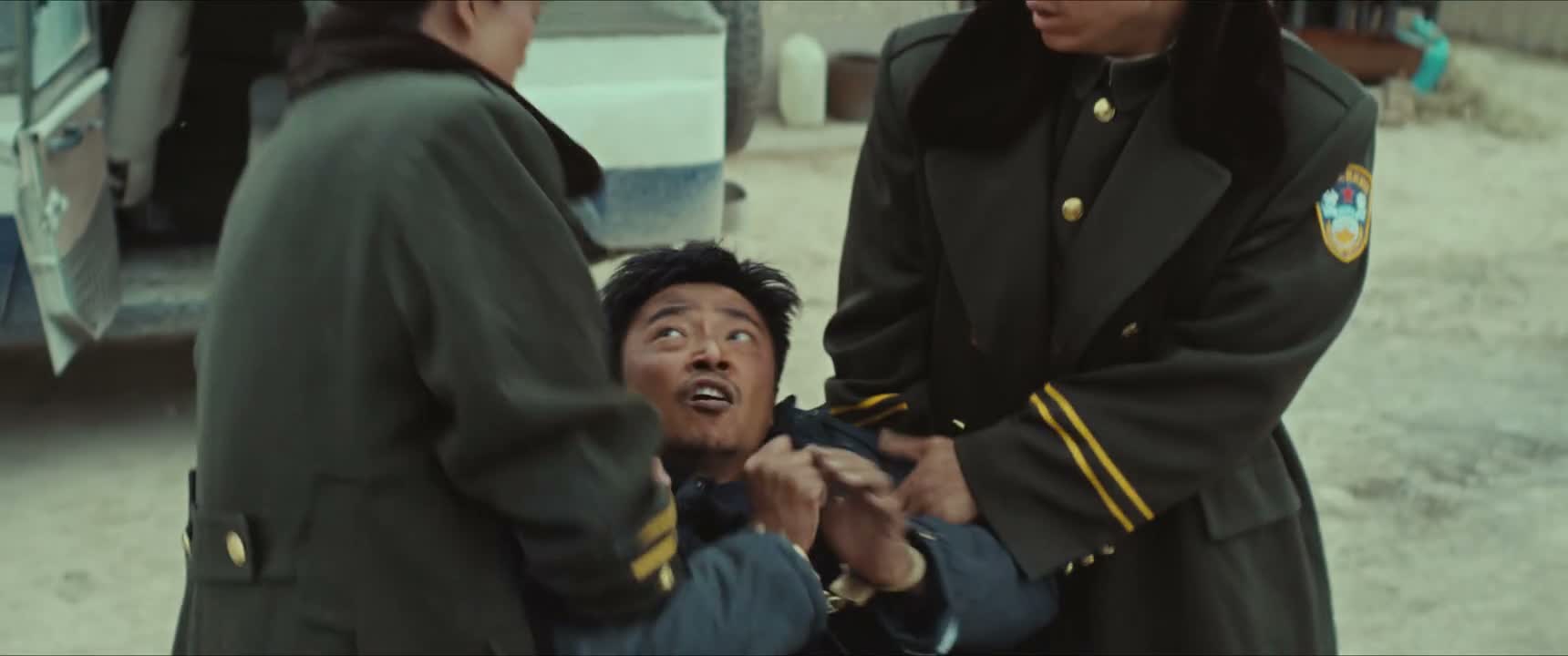
sā shǒu nǐ bié guò lái nǐ bié dòng wǒ

撒手 你别过来 你别动我

“Let go. Stay back. Don't touch me.”

《Vanished Name》 S1·E8
TIMECODE: 38:56 · 1080P MASTER AUDIO

THE DIALOGUE REEL

1+1+1 SPOKEN CONTINUITY
[-1] PREVIOUS TURN bié guò lái bié dòng wǒ

别过来 别动我

“Stay back. Don't touch me.”

sā shǒu nǐ bié guò lái nǐ bié dòng wǒ CURRENT FOCUS

撒手 你别过来 你别动 我

“Let go. Stay back. Don't touch me.”

[+1] FOLLOW-UP TURN gěi wǒ

给我

“Give it to me.”

Subtitles synced to millisecond timecode Browse Show Clips →
Scene: Crisis & Conflict
Function: RESISTING AND WARNING
Tone: PANICKED
Emotion: FEAR
WHAT THEY REALLY MEAN (PRAGMATIC SUBTEXT)

Direct spoken expression in this communicative setting.

💡 Cultural Insight: Physical boundaries and expressing physical conflict

In everyday Chinese and film/TV contexts, expressions like 'sa shou' (let go) and 'bie dong wo' (don't touch me) often accompany intense physical struggles or dangerous situations, directly conveying a sense of coercion and defensive resistance.

INTENT TAGS: #resistance #warning #self-defense
🧩

LEARNING CHUNKS & PARTICLES

2 CHUNKS · 0 PARTICLES
撒手 SPOKEN CHUNK

to let go; to release one's hold

A very common colloquial imperative used in arguments, physical struggles, or urgent situations to demand that someone release their grip.

别动我 SPOKEN CHUNK

don't touch me; leave me alone

A strong expression of refusal and warning, commonly used in self-defense, resisting unwanted physical contact, or during confrontations.
🏮

VOCABULARY & EXPRESSIONS

3 EXPR · 0 GRAMMAR
CROSS-CINEMA CORPUS BOARD · PARALLEL SCENES

Parallel Spoken Cinema Scenes (语义近邻切片)

EXPLORE BY SEMANTIC SIMILARITY
《Vanished Name》 S1·E8 (38:56) · Authentic Cinema Dialogue Corpus