MC
MandarinClips Cinema Corpus
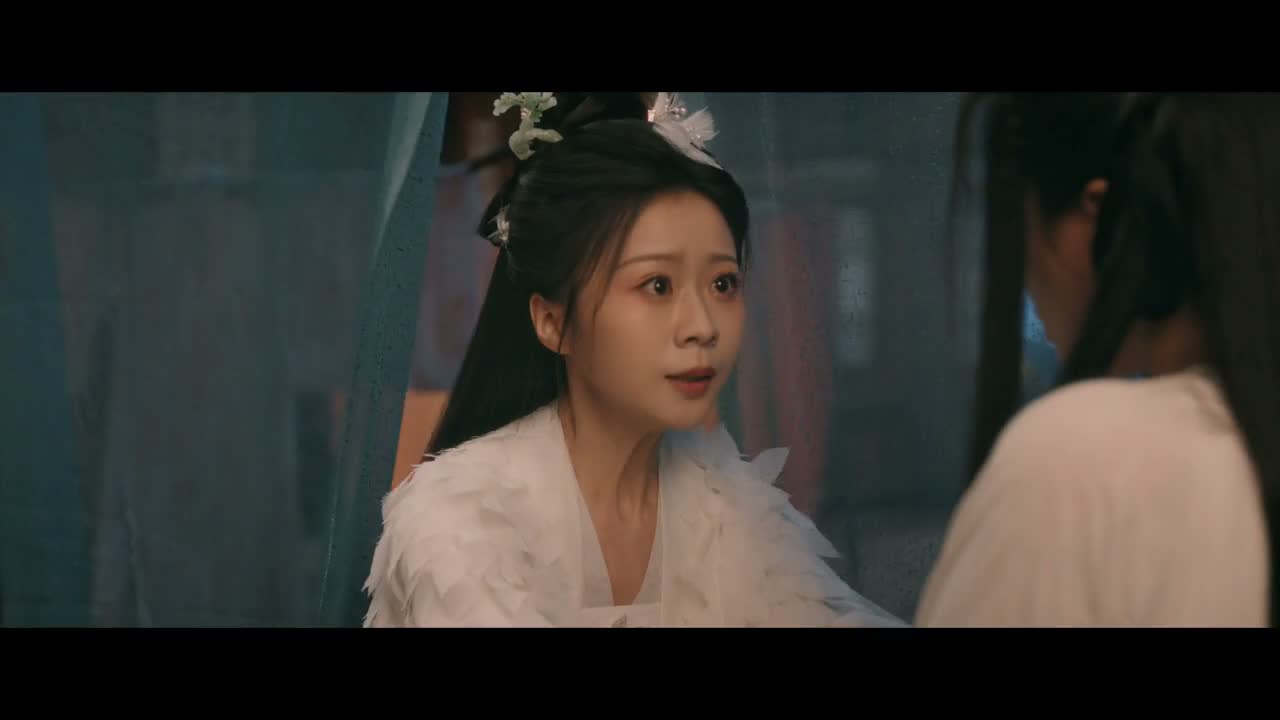
《Vanished Name》 S1·E8 (25:58) HSK 1
tā qù le nǎ ér tā yào gàn shén me

她去了哪儿 她要干什么

“Where she went, what she was doing,”

《Vanished Name》 S1·E8
TIMECODE: 25:58 · 1080P MASTER AUDIO

THE DIALOGUE REEL

1+1+1 SPOKEN CONTINUITY
[-1] PREVIOUS TURN wǒ zěn me huì zhī dào tā yǐ jīng lí kāi xué xiào le

“How would I know she had already left?”

tā qù le nǎ ér tā yào gàn shén me CURRENT FOCUS

她 去了哪儿 她 要干什么

“Where she went, what she was doing,”

[+1] FOLLOW-UP TURN wǒ gēn běn jiù bù zhī dào

我根本就不知道

“none of that had anything to do with me.”

Subtitles synced to millisecond timecode Browse Show Clips →
Scene: Crisis & Conflict
Function: DENYING RESPONSIBILITY AND PLEADING IGNORANCE
Tone: DEFENSIVE
Emotion: FRUSTRATION
WHAT THEY REALLY MEAN (PRAGMATIC SUBTEXT)
“I have absolutely no idea where she went or what she's up to, so stop interrogating me!”
💡 Cultural Insight: Consecutive rhetorical questions to disclaim responsibility

In everyday Chinese communication and dramatic conflicts, speakers facing questioning often use rapid, parallel rhetorical questions ('Where did she go? What is she going to do?') to intensify denial, quickly clear themselves of suspicion, or shut down aggressive questioning.

INTENT TAGS: #disclaiming responsibility #denying knowledge #defensive rebuttal #impatience
🧩

LEARNING CHUNKS & PARTICLES

2 CHUNKS · 0 PARTICLES
去了哪儿 SPOKEN CHUNK

where one went; indicates unknown whereabouts

A common colloquial question used to ask about someone's whereabouts or rhetorically declare that one has no clue.

要干什么 SPOKEN CHUNK

what one intends to do

Carries a strong tone of questioning or impatience in speech; more colloquial and emotionally charged than 'yao zuo shen me'.
🏮

VOCABULARY & EXPRESSIONS

2 EXPR · 0 GRAMMAR
CROSS-CINEMA CORPUS BOARD · PARALLEL SCENES

Parallel Spoken Cinema Scenes (语义近邻切片)

EXPLORE BY SEMANTIC SIMILARITY
《Vanished Name》 S1·E8 (25:58) · Authentic Cinema Dialogue Corpus