MC
MandarinClips Cinema Corpus
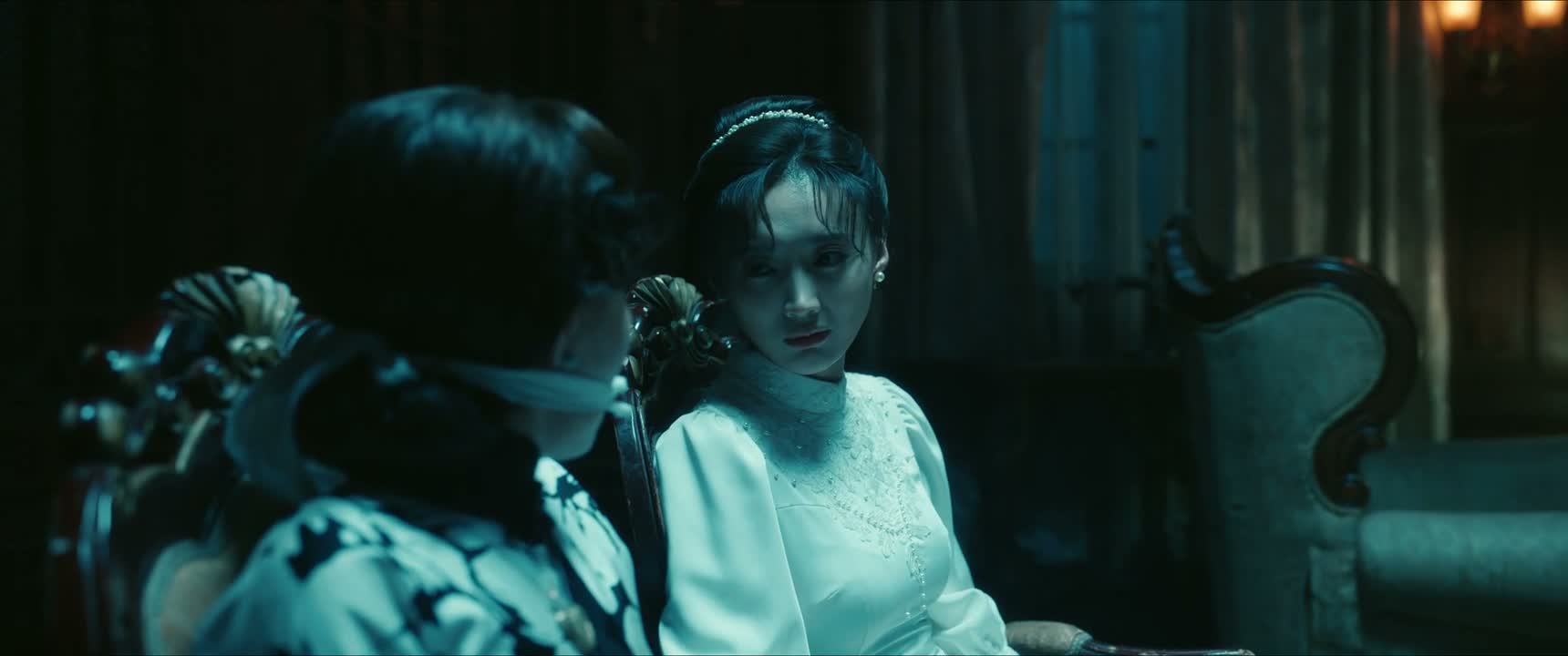
《Vanished Name》 S1·E8 (25:55) HSK 3
wǒ zěn me huì zhī dào tā yǐ jīng lí kāi xué xiào le

我怎么会知道她已经离开学校了

“How would I know she had already left?”

《Vanished Name》 S1·E8
TIMECODE: 25:55 · 1080P MASTER AUDIO

THE DIALOGUE REEL

1+1+1 SPOKEN CONTINUITY
[-1] PREVIOUS TURN nín wèi shá hái yào jǔ bào a

您为啥还要举报啊

“Zhou Yun had already left the school. Why did you still report her?”

wǒ zěn me huì zhī dào tā yǐ jīng lí kāi xué xiào le CURRENT FOCUS

我 怎么会知道 她 已经 离开 学校了

“How would I know she had already left?”

[+1] FOLLOW-UP TURN tā qù le nǎ ér tā yào gàn shén me

“Where she went, what she was doing,”

Subtitles synced to millisecond timecode Browse Show Clips →
Scene: Legal & Police
Function: DEFENDING AND DENYING
Tone: DEFENSIVE
Emotion: ANXIETY
WHAT THEY REALLY MEAN (PRAGMATIC SUBTEXT)
“Don't blame me, I had no clue she had already left school.”
💡 Cultural Insight: Reporting violations (jubao)

Reporting infractions or illegal acts to relevant authorities or management. In Chinese interpersonal contexts, 'jubao' often carries connotations of informing or seeking punitive action, frequently triggering defensiveness, tension, and hostility from the party being reported.

INTENT TAGS: #defending oneself #disclaiming responsibility #rhetorical questioning
🧩

LEARNING CHUNKS & PARTICLES

1 CHUNKS · 1 PARTICLES
我怎么会知道 SPOKEN CHUNK

Indicates that one has no way of knowing, carrying a strong rhetorical and defensive tone

Used in spoken Chinese to refute another person's accusation or shift responsibility, emphasizing that one had no prior knowledge or means of finding out.

Modal Particle「了」 (le) CHANGE OF STATE

Indicates a change of state or an accomplished fact, emphasizing that leaving school has already happened.

🏮

VOCABULARY & EXPRESSIONS

3 EXPR · 0 GRAMMAR
CROSS-CINEMA CORPUS BOARD · PARALLEL SCENES

Parallel Spoken Cinema Scenes (语义近邻切片)

EXPLORE BY SEMANTIC SIMILARITY
《Vanished Name》 S1·E8 (25:55) · Authentic Cinema Dialogue Corpus