以后再也不能把钥匙落屋里了
“I can't forget the keys inside the house again.”
THE DIALOGUE REEL
柏庶
“(Bai Shu.)”
以后 再也不能 把钥匙落屋里 了
“I can't forget the keys inside the house again.”
“You promised you'd wake me when the Morning Star rose.”
Direct spoken expression in this communicative setting.
A high-frequency colloquial usage of the polyphonic character 'la' in northern and standard spoken Chinese, indicating accidentally leaving an item behind somewhere due to carelessness.
LEARNING CHUNKS & PARTICLES
determined never to let something bad happen again; can no longer do something
Often used for self-reproach after learning a lesson or as a mutual reminder, expressing a firm resolve to prevent recurrence.
to leave the keys behind inside the room
In spoken Chinese, 'luo' is read colloquially as 'la', meaning to leave behind or forget; 'wu li' refers to inside the room or house.
Sentence-final particle used together with 'zai ye bu neng' to indicate a change of state or emphasize firm determination.
VOCABULARY & EXPRESSIONS
Parallel Spoken Cinema Scenes (语义近邻切片)

“Don't make copies of this key for anyone else.”
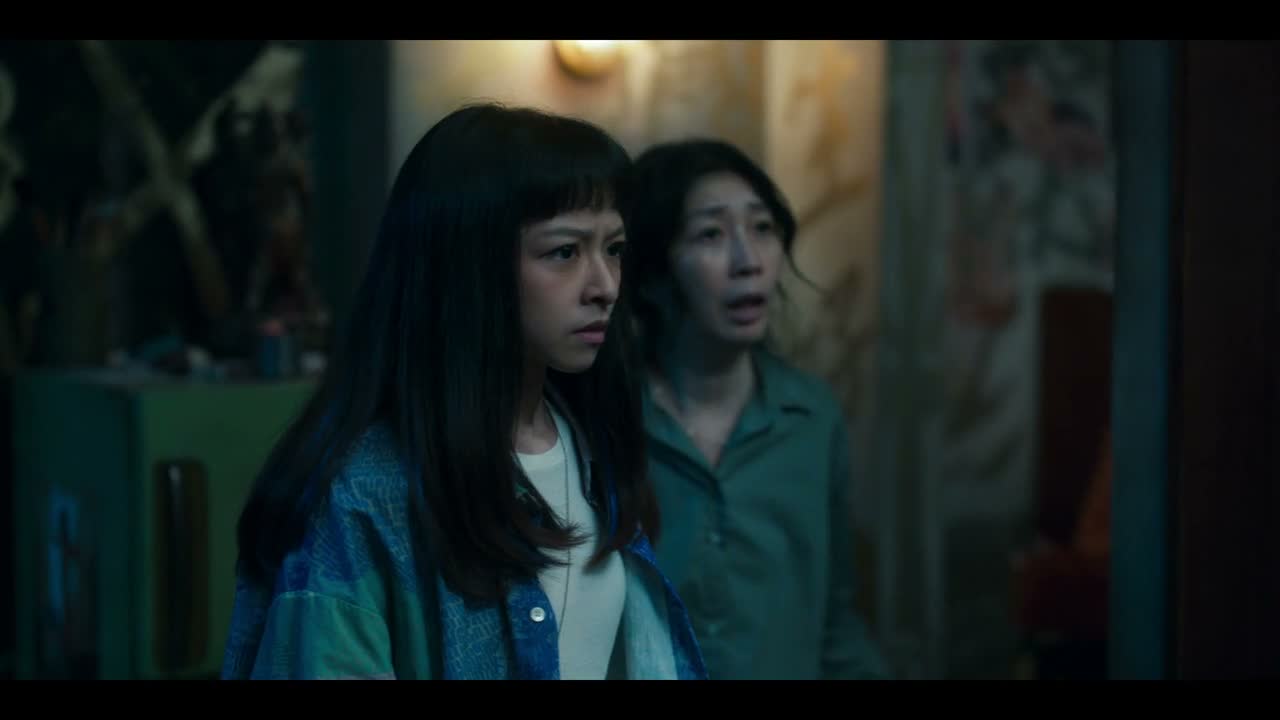
“Gather all the neighbors' keys here,”

“I'm not old enough to forget the key.”

“and you can lock your bedroom. I won't touch your things.”

“-Unbelievable. -Right? Give me back my house keys. No.”

“He wouldn't lend out the key.”