MC
MandarinClips Cinema Corpus
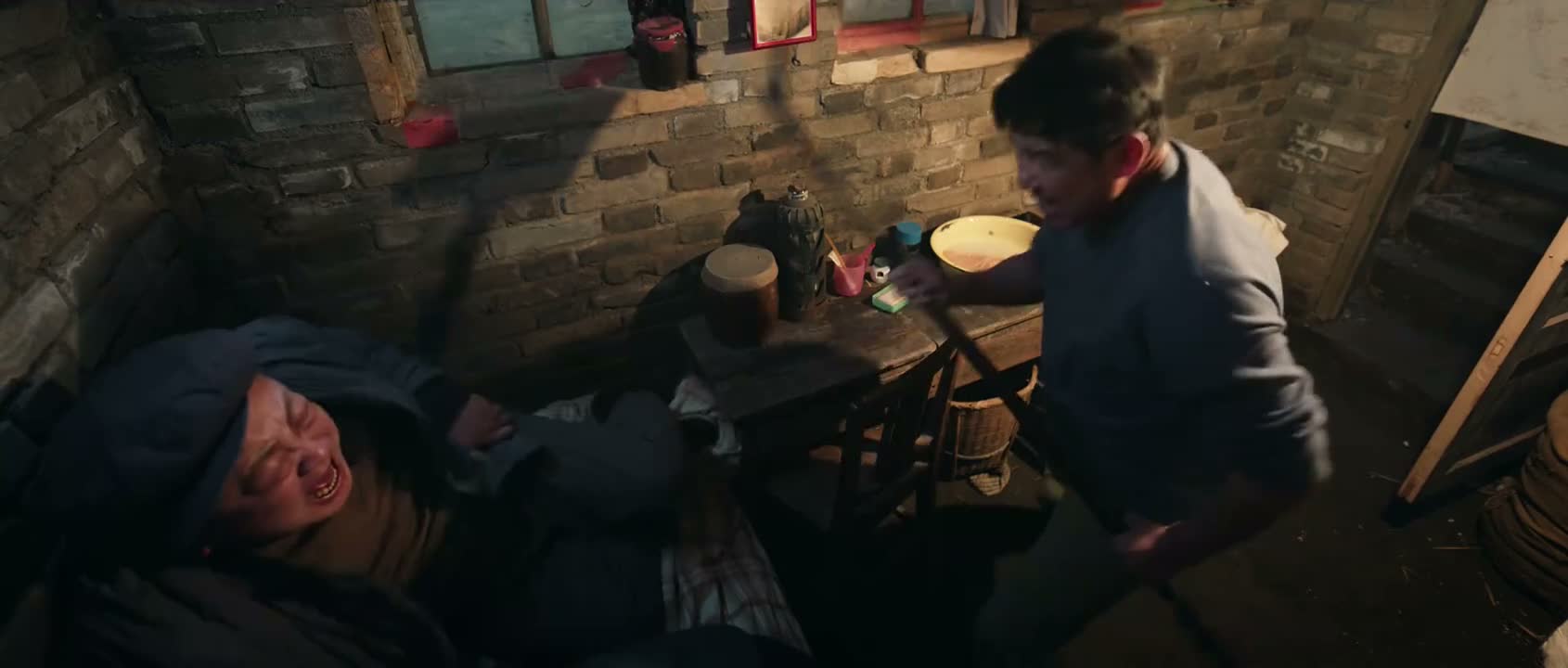
《The Silent Rift》 S1·E7 (45:50) HSK 3
kàn jiàn le gàn shá ne

看见了 干啥呢

“People can see. What are you doing?”

《The Silent Rift》 S1·E7
TIMECODE: 45:50 · 1080P MASTER AUDIO

THE DIALOGUE REEL

1+1+1 SPOKEN CONTINUITY
[-1] PREVIOUS TURN zhè bú duì wǒ gēn nǐ shuō

这不对 我跟你说

“It's not right, I'm telling you.”

kàn jiàn le gàn shá ne CURRENT FOCUS

看见了 干啥呢

“People can see. What are you doing?”

[+1] FOLLOW-UP TURN zhù nǐ shēng rì kuài lè

祝你生日快乐

“♪Happy birthday to you♪”

Subtitles synced to millisecond timecode Browse Show Clips →
Scene: Social & Dating
Function: INQUIRING AND GREETING
Tone: CASUAL
Emotion: CURIOSITY
WHAT THEY REALLY MEAN (PRAGMATIC SUBTEXT)

Direct spoken expression in this communicative setting.

💡 Cultural Insight: gan sha (doing what)

A high-frequency colloquial term originating from Northern dialects (especially Northeastern Mandarin), now widely used nationwide in casual, informal communication, reflecting a relaxed and familiar relationship between speakers.

INTENT TAGS: #inquiring #making small talk #greeting
🧩

LEARNING CHUNKS & PARTICLES

1 CHUNKS · 1 PARTICLES
干啥呢 SPOKEN CHUNK

what are you doing

A very common colloquial expression from Northern dialects, equivalent to 'what are you doing', often used among acquaintances as a casual greeting or to inquire about someone's current activity.

Modal Particle「呢」 (ne) CHANGE OF STATE

Used at the end of a question to make the inquiry softer, more casual, and friendlier.
🏮

VOCABULARY & EXPRESSIONS

2 EXPR · 4 GRAMMAR
CROSS-CINEMA CORPUS BOARD · PARALLEL SCENES

Parallel Spoken Cinema Scenes (语义近邻切片)

EXPLORE BY SEMANTIC SIMILARITY
《The Silent Rift》 S1·E7 (45:50) · Authentic Cinema Dialogue Corpus