明天就要向老头子 报账了
“Tomorrow I have to report accounts to the Old Man.”
THE DIALOGUE REEL
人流呢 比起两天前少了很多
“The foot traffic is much less than it was 2 days ago.”
明天就要 向 老头子 报账 了
“Tomorrow I have to report accounts to the Old Man.”
我看凶多吉少
“I think I'll be done for.”
“Tomorrow we have to report the numbers to the old man, and we're definitely going to catch hell for this.”
In colloquial speech, it sometimes refers to an elderly father or husband. In specific contexts such as the workplace or gang underworlds, it is commonly used behind the back of an elderly boss, leader, or supreme boss, carrying a playful mix of awe and helpless dread.
LEARNING CHUNKS & PARTICLES
To report accounts, financial balances, or claim expenses to a superior or financial officer.
Frequently used in business or workplace settings, often paired with 'to a superior/boss'.
Indicates that an action or event is about to happen very soon, carrying a sense of urgency.
A common colloquial sentence pattern used to emphasize imminent timing or a countdown.
Placed at the end of the sentence to pair with 'jiu yao', reinforcing the imminent nature of the event and a sense of urgency.
VOCABULARY & EXPRESSIONS
Parallel Spoken Cinema Scenes (语义近邻切片)
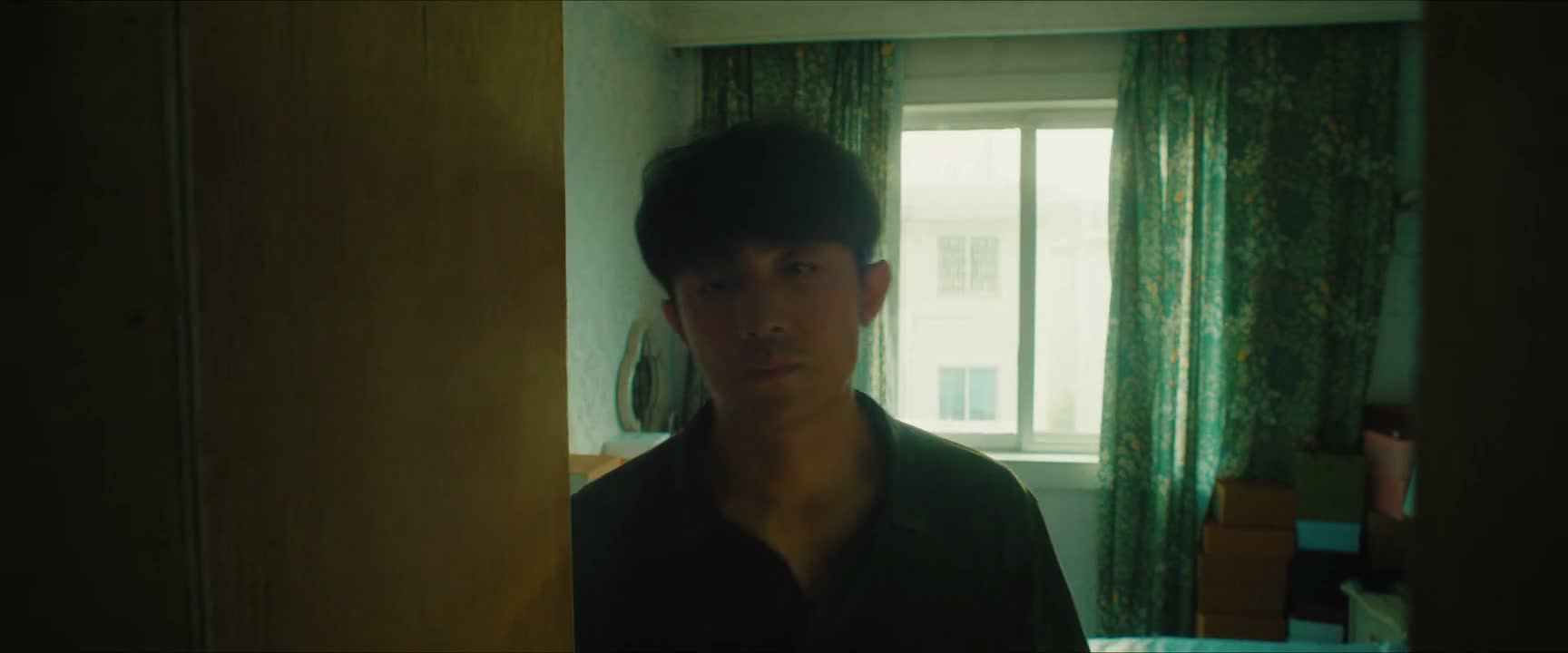
“the debt collectors came again today.”

“[Fan's Braised Meat Shop] It's my husband's birthday today.”

“The point is, if I don't see this old man here for a day,”

“I must collect this debt today.”

“today I'll settle accounts with you properly.”

“The only thing I know is that he was on the way to acquire an antique that day.”