MC
MandarinClips Cinema Corpus
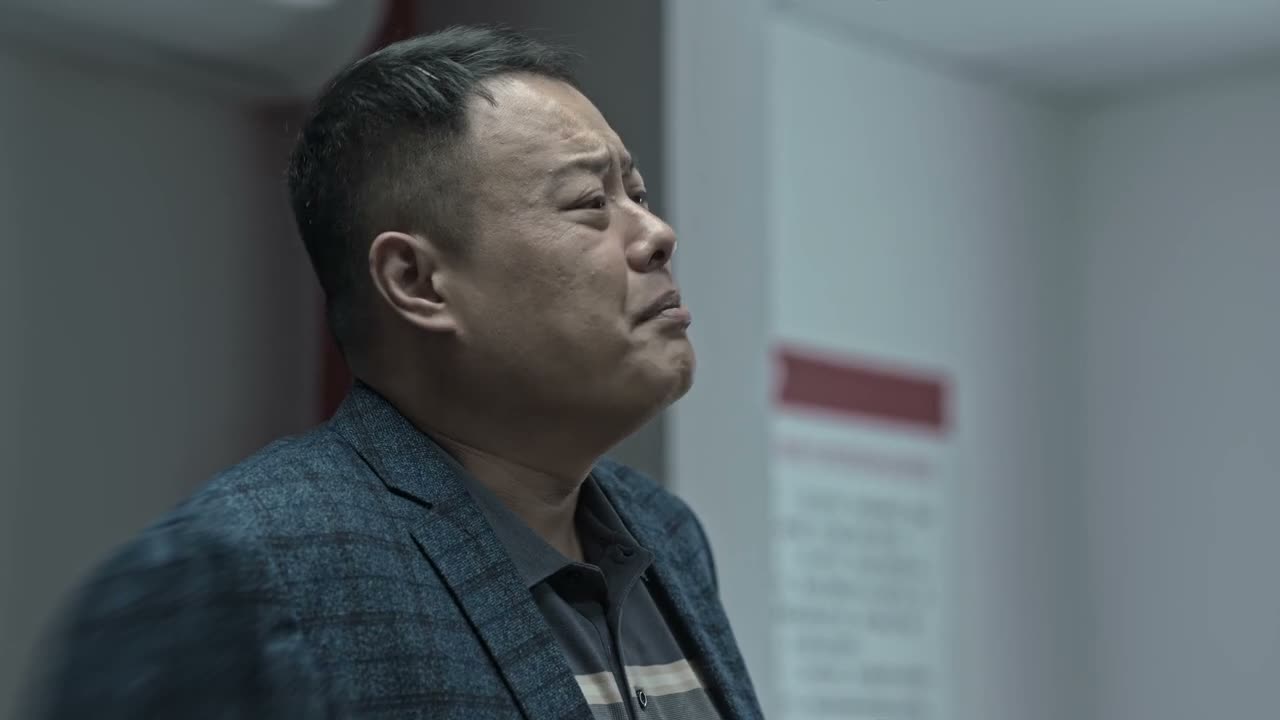
《The Knockout》 S1·E7 (10:25) HSK 3
nǐ néng bù néng yě bāng bāng máng fàng wǒ yī mǎ

你能不能也帮帮忙 放我一马

“could you do me a favor and let me go?”

《The Knockout》 S1·E7
TIMECODE: 10:25 · 1080P MASTER AUDIO

THE DIALOGUE REEL

1+1+1 SPOKEN CONTINUITY
[-1] PREVIOUS TURN luò zài nǐ shǒu lǐ le

落在你手里了

“and you caught me,”

nǐ néng bù néng yě bāng bāng máng fàng wǒ yī mǎ CURRENT FOCUS

你能不能 也 帮帮忙 放我一马

“could you do me a favor and let me go?”

[+1] FOLLOW-UP TURN tīng dǒng le

听懂了

“Got it.”

Subtitles synced to millisecond timecode Browse Show Clips →
Scene: Crisis & Conflict
Function: PLEADING FOR MERCY
Tone: PLEADING
Emotion: DESPERATION
WHAT THEY REALLY MEAN (PRAGMATIC SUBTEXT)

Direct spoken expression in this communicative setting.

💡 Cultural Insight: Appealing to Mercy (放一马)

Derived from historical battlefield etiquette of sparing a defeated warrior on horseback, this idiom is widely used in Chinese culture to plead for personal leniency rather than strict justice.

INTENT TAGS: #pleading #begging #seeking_leniency #appeasement
🧩

LEARNING CHUNKS & PARTICLES

3 CHUNKS · 0 PARTICLES
能不能 SPOKEN CHUNK

can you / could you

A common conversational structure used to make requests or test someone's willingness.

帮帮忙 SPOKEN CHUNK

do a favor / help out

Reduplication of the verb-object phrase 帮忙 to sound more polite, earnest, or pleading.

放我一马 SPOKEN CHUNK

let me off the hook / spare me

A very popular idiom used when begging for leniency, forgiveness, or release from trouble.

🏮

VOCABULARY & EXPRESSIONS

3 EXPR · 0 GRAMMAR
CROSS-CINEMA CORPUS BOARD · PARALLEL SCENES

Parallel Spoken Cinema Scenes (语义近邻切片)

EXPLORE BY SEMANTIC SIMILARITY
《The Knockout》 S1·E7 (10:25) · Authentic Cinema Dialogue Corpus