那咱们走吧 好
“Let's go then. Okay.”
THE DIALOGUE REEL
谢谢胡叔叔
“Thank you, Mr. Hu.”
那 咱们走吧 好
“Let's go then. Okay.”
姐我帮你拿吧
“Xiu, let me carry that for you.”
Direct spoken expression in this communicative setting.
Using '咱们' instead of '我们' fosters a feeling of closeness and solidarity among members of the in-group.
LEARNING CHUNKS & PARTICLES
let's go; let's get moving
A warm, inclusive way to suggest leaving, using '咱们' to explicitly include both the speaker and the listener.
Softens the imperative into a gentle, collegial proposal or invitation to leave.
VOCABULARY & EXPRESSIONS
Parallel Spoken Cinema Scenes (语义近邻切片)

“Then... Then let's hurry and get out of here.”

“So, let's-”

“Yuanyuan, let's go.”

“We'll handle this seriously. - We'll be going. - Okay, okay.”
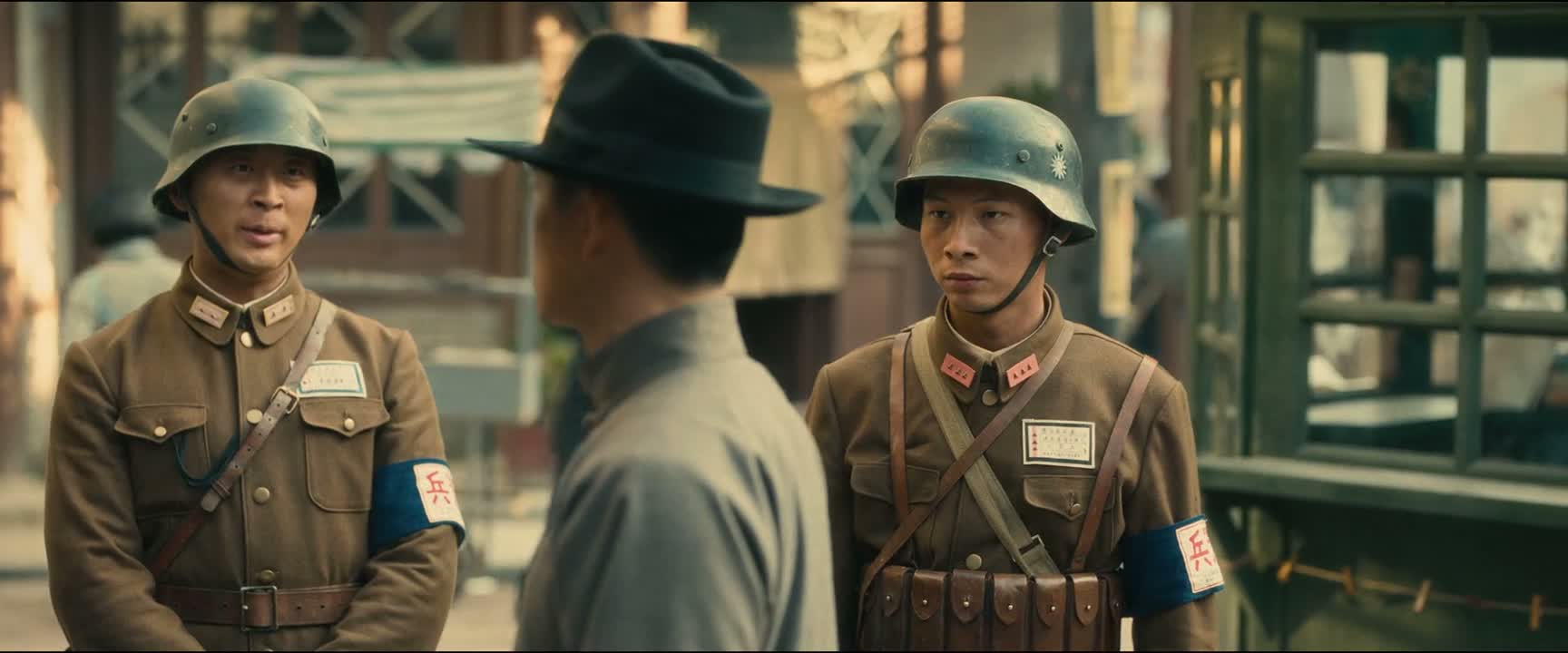
“Come with us.”

“Let's go up ahead and see! Okay.”

“Come on, let's go. - Come with us. - Let's go. Let go of me.”
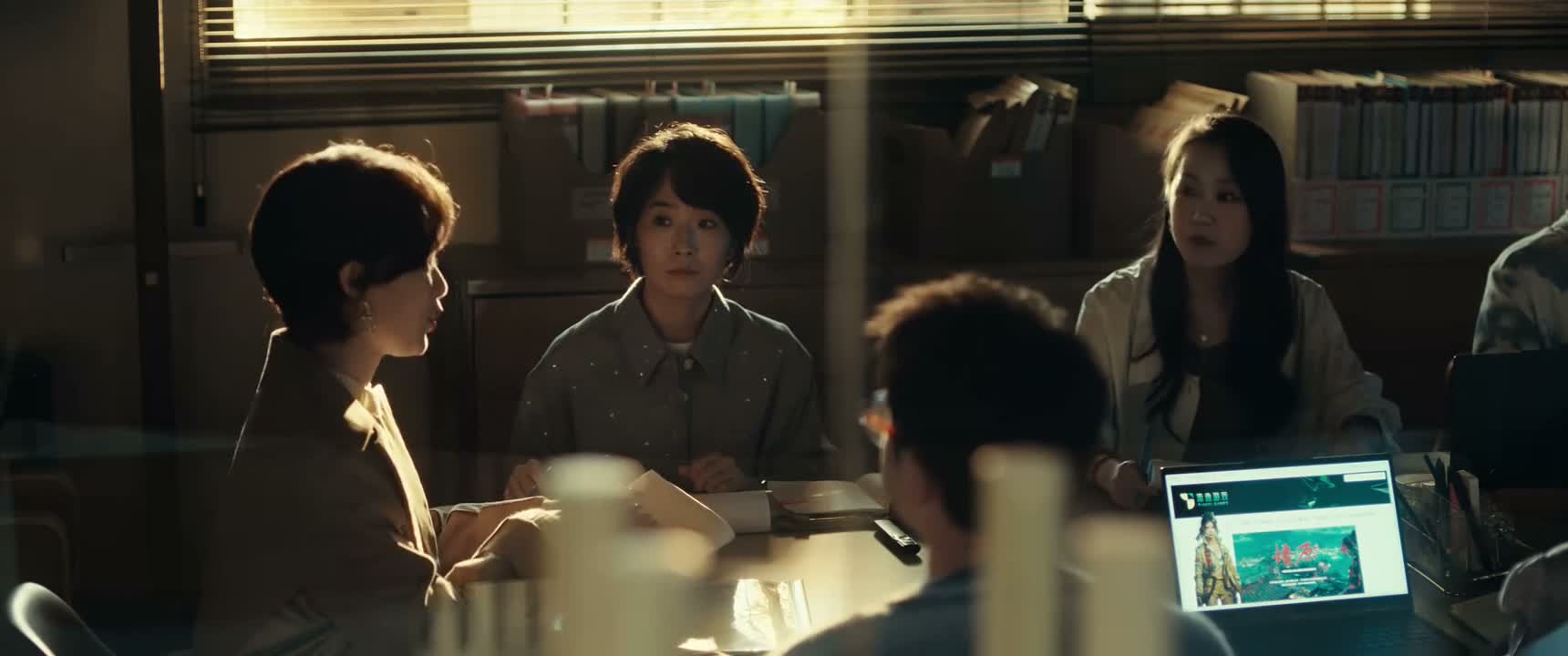
“Let's get started, then. Okay. Okay.”
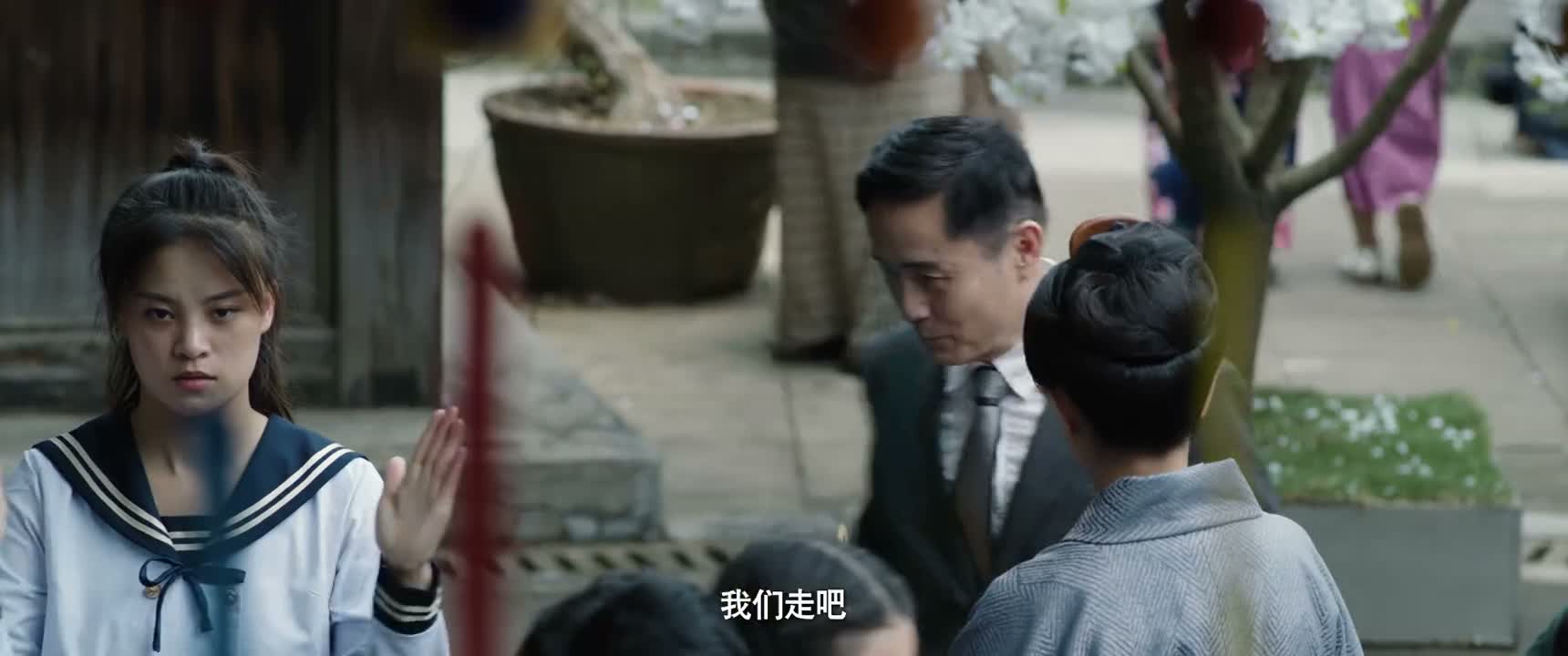
“Let's go”

“We should get going! Okay, coming!”

“then take a walk,”

“-Let's leave together, Auntie. -Take us with you. Given the current situation,”

“Alright, we should go now.”

“- Go on, we've got him. - Okay.”

“would we have ended up like this? Wu, is this how you want to settle scores with me?”

“- We'll go first. - Let's go. Which way?”
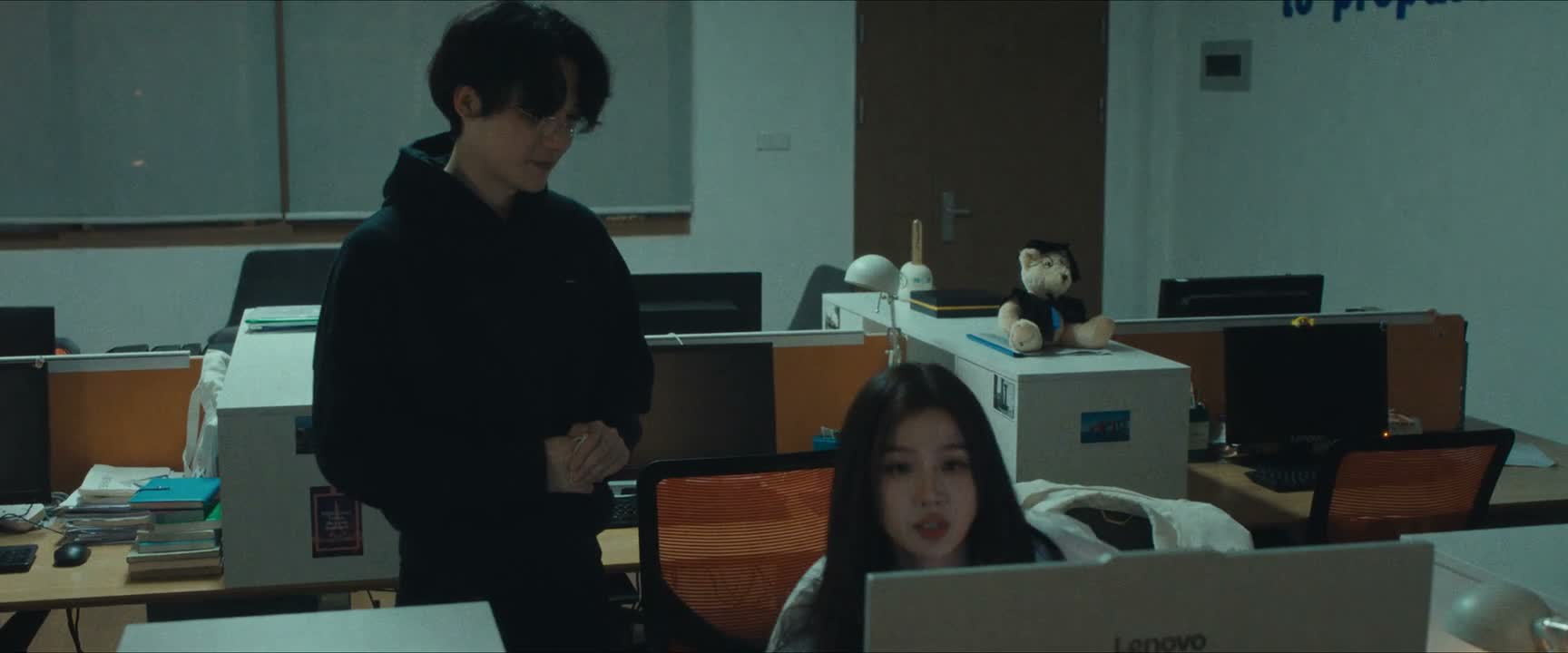
“I'll get going then. Okay.”