干吗呢这车 这人有毛病吧
“What's this car doing? Is this guy crazy?”
THE DIALOGUE REEL
钱菲 接电话呀
“Qian Fei, answer the phone.”
干吗呢 这车 这人 有毛病 吧
“What's this car doing? Is this guy crazy?”
师傅 师傅停车 师傅停车
“Sir, stop the car.”
Direct spoken expression in this communicative setting.
Phrases like '有毛病' are typical spontaneous colloquialisms in urban China used to vent frustration at rude public behavior without directly initiating a physical confrontation.
LEARNING CHUNKS & PARTICLES
What are you doing? / What is going on?
Very common Northern Chinese spoken expression expressing irritation or questioning unexpected behavior.
Is there something wrong with (them)? / Are they crazy?
Colloquial exclamation used to question someone's sanity or reasonableness when they act disruptively.
Adds a sharp, questioning tone of confusion and annoyance to the rhetorical question.
Softens the rhetorical accusation into a presumption, conveying sarcastic bewilderment.
VOCABULARY & EXPRESSIONS
Parallel Spoken Cinema Scenes (语义近邻切片)
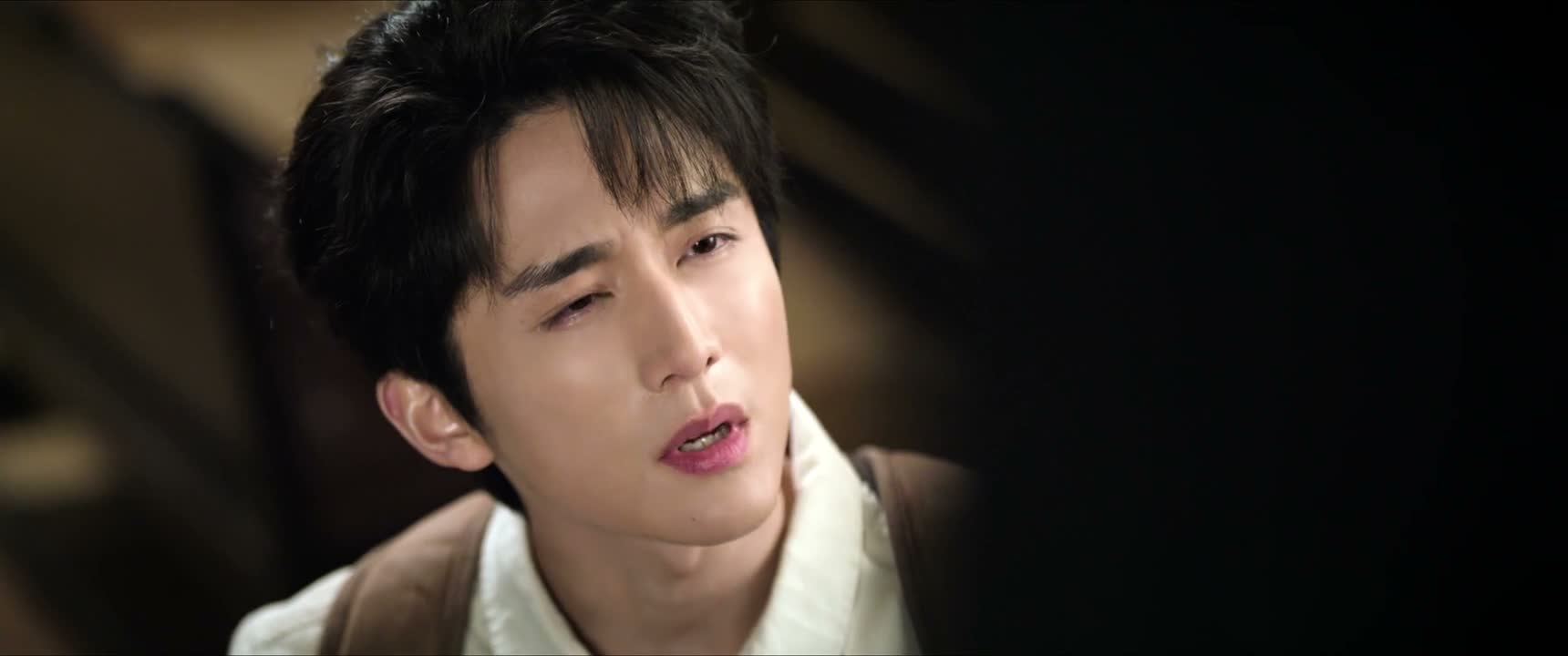
“What are you doing? I should be asking you that.”
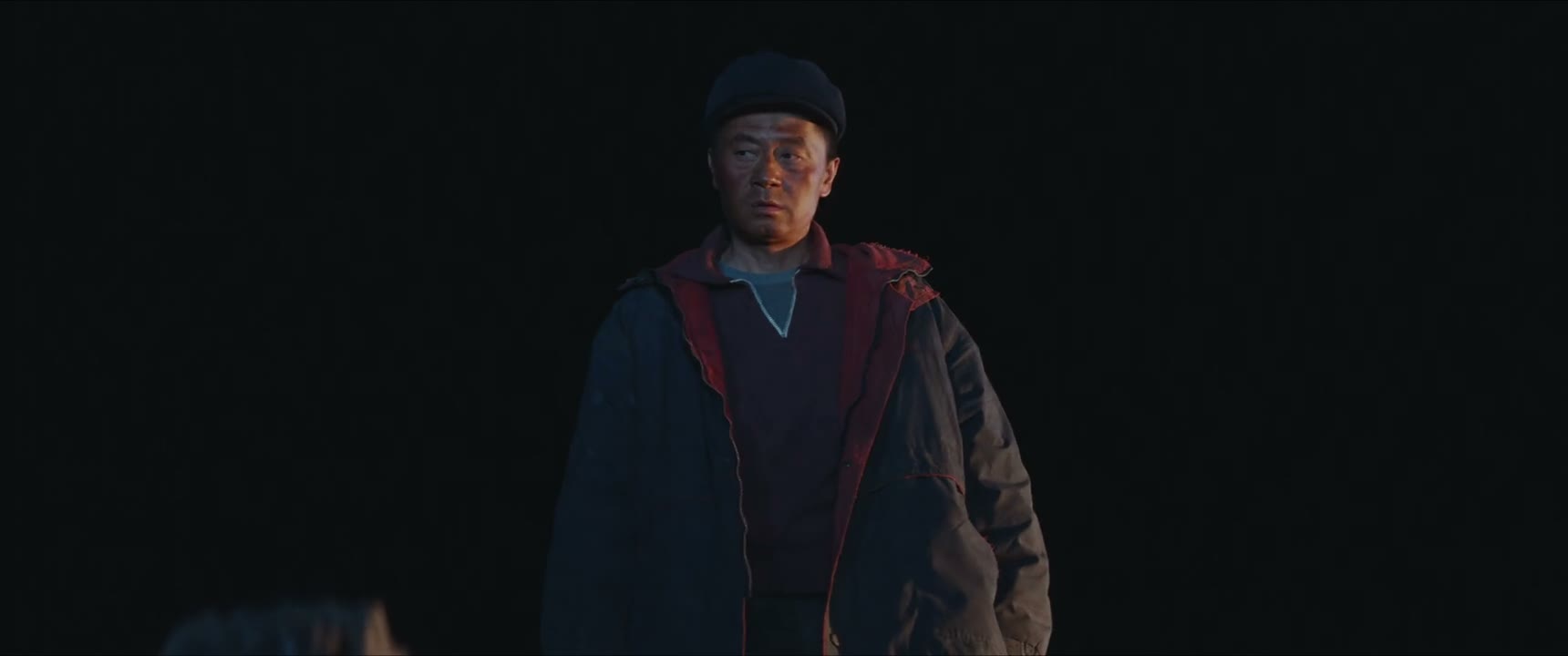
“What are you doing? Hurry up.”
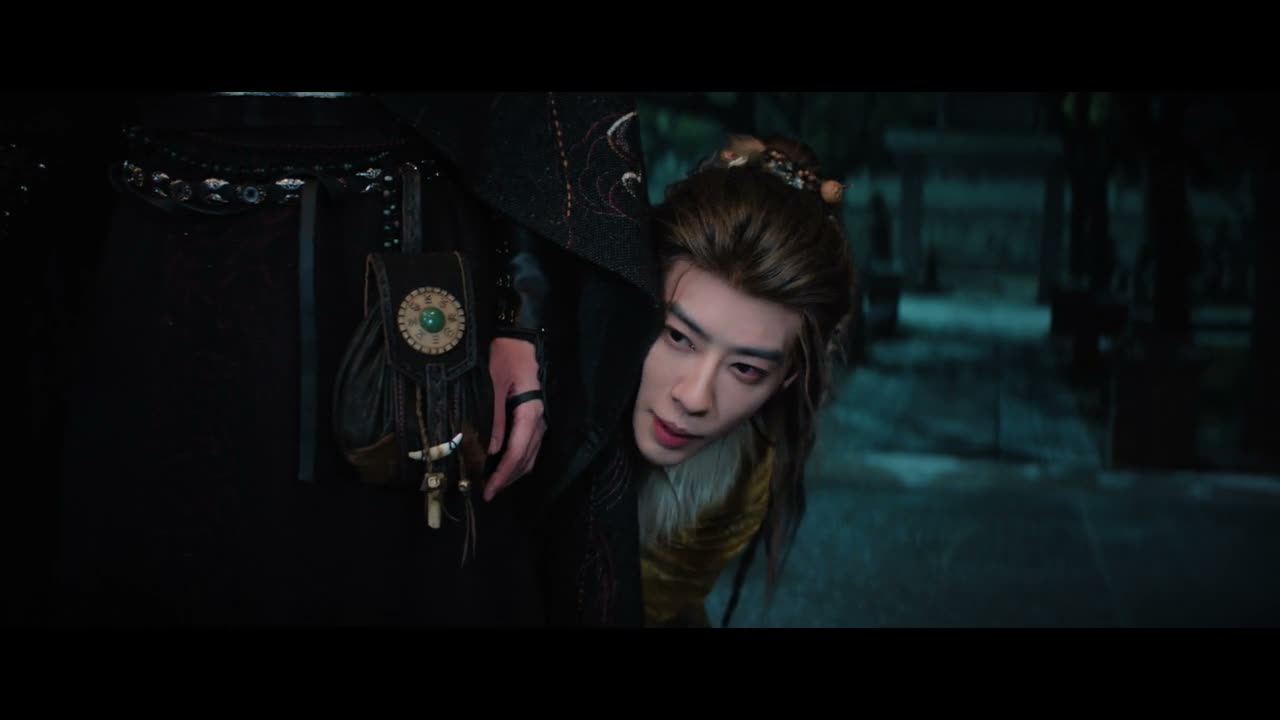
“What are you doing? I'm here.”

“What are you doing? Here”

“What's with you? Why so polite all of a sudden?”

“Why did you get on? Your own bike?”