你上我车干吗 你自己的车呢
“Why did you get on? Your own bike?”
THE DIALOGUE REEL
你干吗啊
“Wait.”
你 上我车干吗 你自己的车呢
“Why did you get on? Your own bike?”
我 我车坏了
“M-My bike's broken.”
“You have no business being in my car; go deal with your own ride.”
Entering someone's personal vehicle without prior invitation can breach casual boundaries, prompting immediate questioning.
LEARNING CHUNKS & PARTICLES
why; what for
A very common colloquial question word that can convey mild irritation or skepticism depending on intonation.
get in the car; board a vehicle
Standard everyday phrase for entering a vehicle.
Forms an open-ended rhetorical question to highlight an expectation that is not met.
VOCABULARY & EXPRESSIONS
Parallel Spoken Cinema Scenes (语义近邻切片)
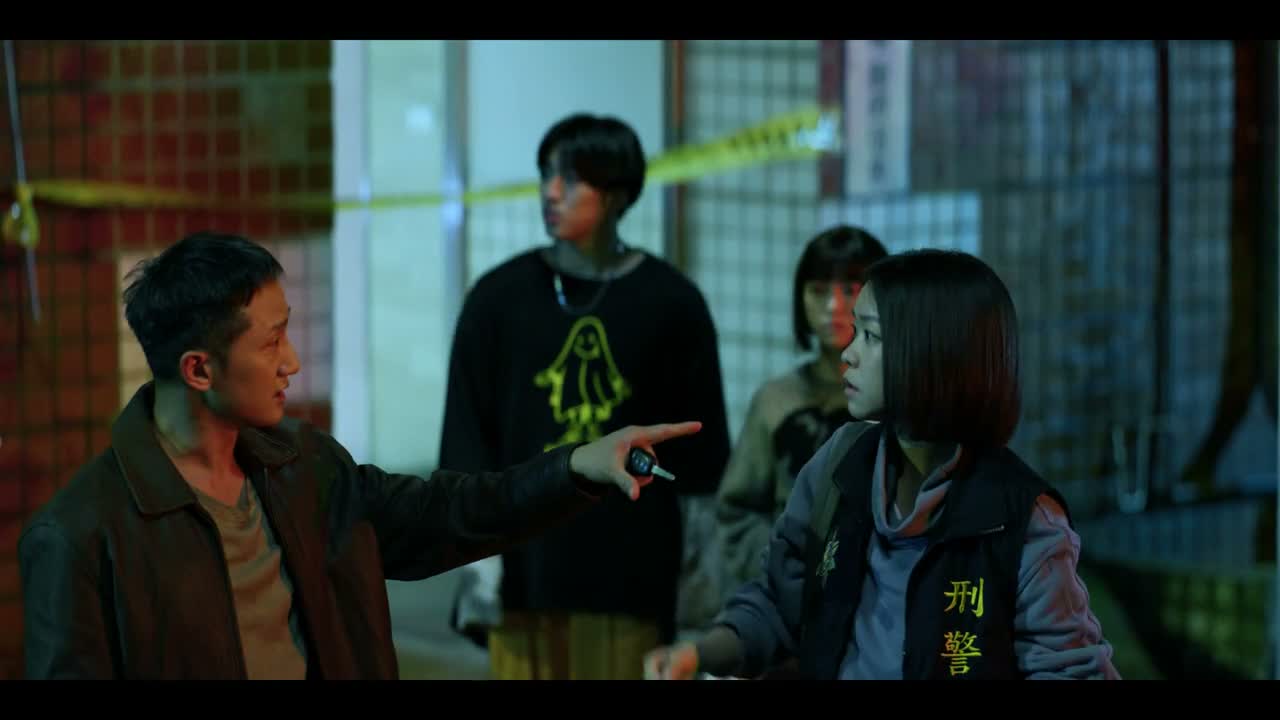
“You following? You'll mess it up.”

“Why am I in your car?”
“You drove out of town as soon as you got in the car. What are you trying to do?”

“Who took this? When did I ever get in your car?”

“You guys get in first. You'd better get to the bottom of this.”

“What's this car doing? Is this guy crazy?”