有毛病
yǒu máo bìngCommon spoken expression used by native Chinese speakers in daily life.
[Scene: 其他场景]
(5 clips) 00:02
 00:02
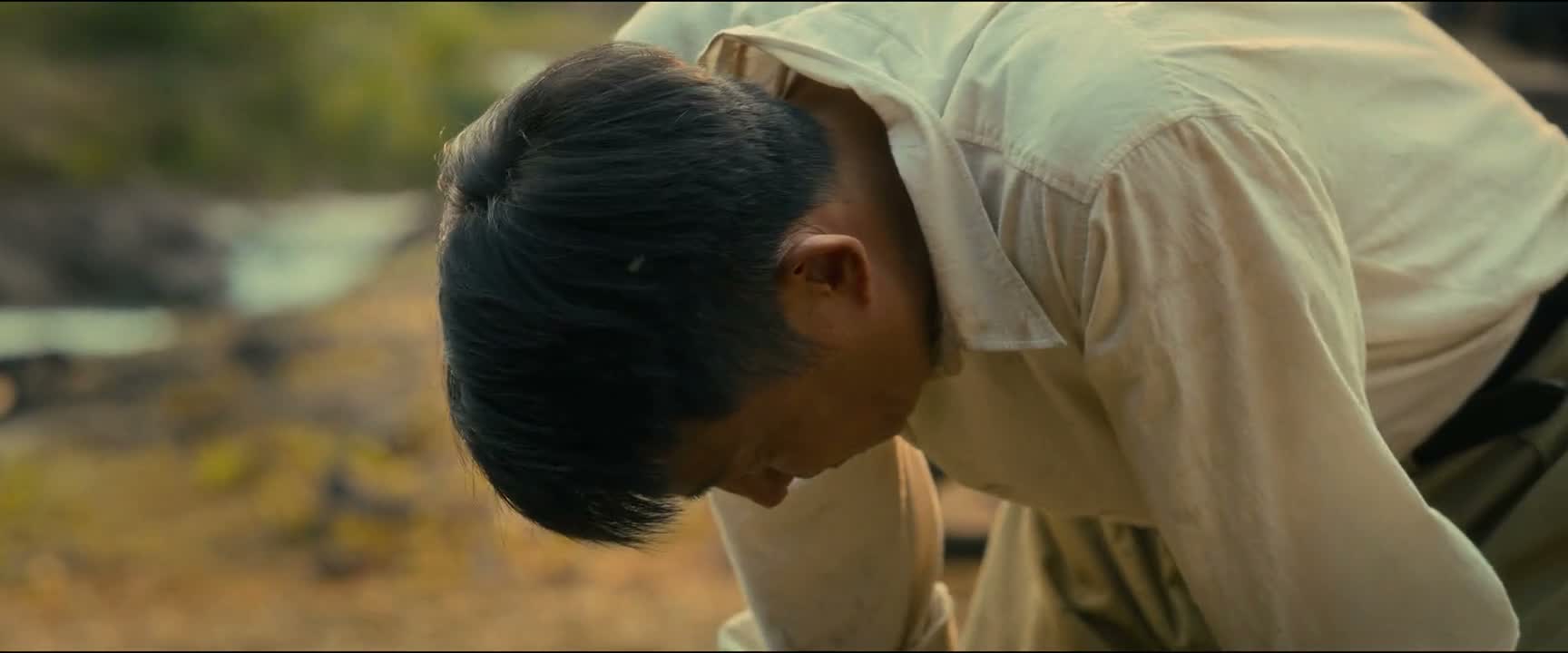 00:03
(你也不怕被毒死) ── Previous context
“Zhang Yunkui, what's wrong with you? People who came from the battlefield”
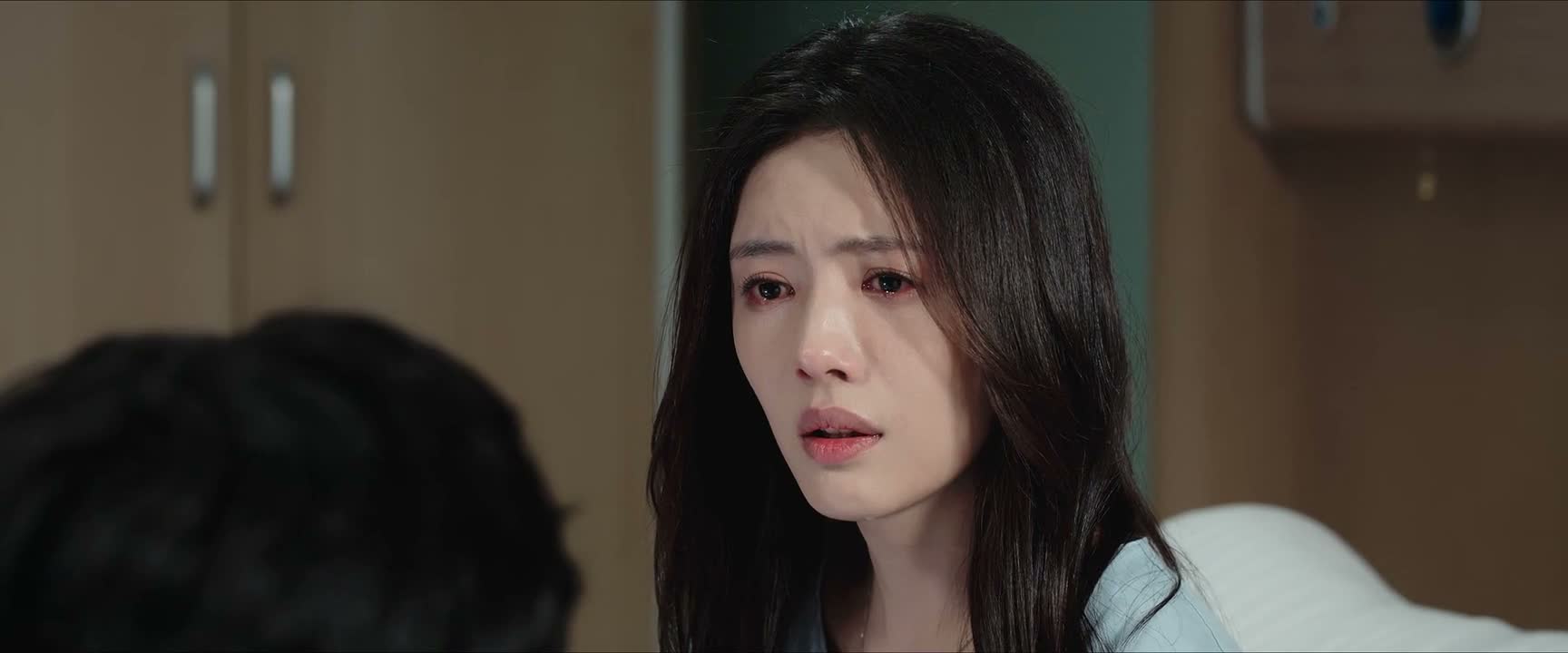 00:03
(你只是习惯我在你身边) ── Previous context
“But habits can be broken easily. Jiang Hansheng, what's wrong with you?”
 00:03
[Scene: 商务沟通]
(2 clips) 00:03
(要保留何韩老师 原小说的主体人物和故事框架) ── Previous context
“The game company wanted changes. No matter how much money they offered, we wouldn't sell. Is she out of her mind?”
 00:03
(养生 保健) ── Previous context
“We can't just rely on people with leg issues coming to you.”
[Scene: 其他场景]
(2 clips) 00:02
 00:02
[Scene: 家庭日常]
(2 clips)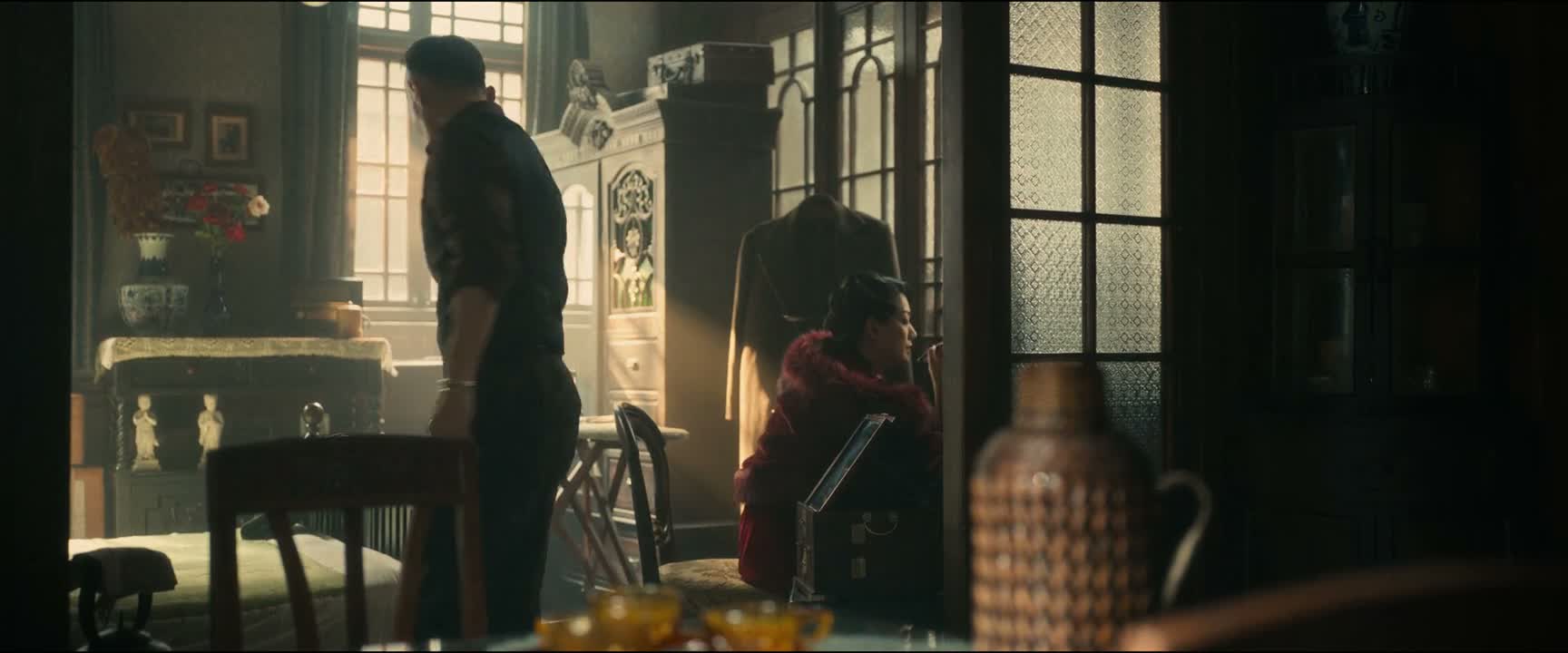 00:03
(我跟你讲 还是得让嫂子下来住 咱们搬到阁楼上去) ── Previous context
“Are you crazy? You change your mind every second.”
 00:02
[Scene: 职场工作]
(2 clips) 00:02
 00:03
[Scene: 餐饮美食]
(1 clips) 00:03
(要不然先处理你们的事吧 我住旅馆就行) ── Previous context
“It's fine. There's something wrong with him. He's been moody.”
[Scene: 社交聚会]
(1 clips) 00:02
[Scene: 出行交通]
(1 clips) 00:02
📌 怎么回事
→Nuance: 责备孩子言行,表达更规范
📌 是不是
→Nuance: 质问对方有毛病,交际意图一致
📌 这种情况
→Nuance: 同为质疑/确认是否存在问题
📌 不是
→Nuance: 质问对方有毛病,交际意图一致
📌 有病
→Nuance: 质问对方脑子有病,意图一致
📌 凭什么
→Nuance: 责备孩子言行,表达更规范
📌 来
→Nuance: 责备对方言行失常意图一致
📌 起来
→Nuance: 质问对方脑子有病,意图一致
📌 收起来
→Nuance: 质问对方脑子有病,意图一致