MC
MandarinClips Cinema Corpus
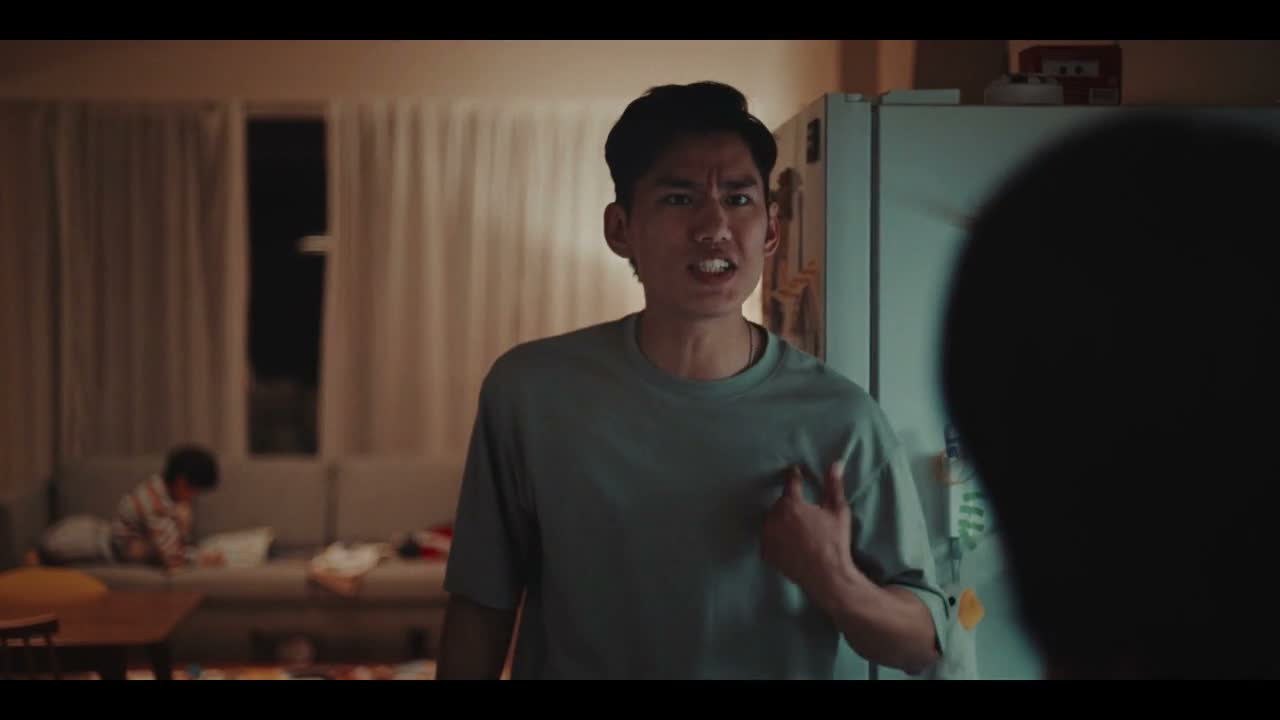
《The Dream Maker》 S1·E32 (07:17) HSK 2
yào bù rán wǒ huì zhè yàng ma xīn xīn niàn niàn shuō

要不然我会这样吗 心心念念说

“And I ended up like this. She went on and on about building modern factories.”

《The Dream Maker》 S1·E32
TIMECODE: 07:17 · 1080P MASTER AUDIO

THE DIALOGUE REEL

1+1+1 SPOKEN CONTINUITY
[-1] PREVIOUS TURN dāng shí tā quàn shuō wǒ men jiàn shén me gōng yè yuán qū

当时她劝说我们 建什么工业园区

“Back then, she convinced us to build an industrial park.”

yào bù rán wǒ huì zhè yàng ma xīn xīn niàn niàn shuō CURRENT FOCUS

要不然 我会 这样 吗 心心念念 说

“And I ended up like this. She went on and on about building modern factories.”

[+1] FOLLOW-UP TURN xiàn dài huà gōng chǎng shì dà shì suǒ qū

现代化工厂是大势所趋

“She went on and on about building modern factories.”

Subtitles synced to millisecond timecode Browse Show Clips →
Scene: Workplace
Function: JUSTIFYING BEHAVIOR
Tone: INDIGNANT
Emotion: FRUSTRATION
WHAT THEY REALLY MEAN (PRAGMATIC SUBTEXT)
“My reaction was totally justified under those circumstances.”
💡 Cultural Insight: Rhetorical Self-Defense

Chinese conversationalists often use negative rhetorical questions with '要不然' to highlight the reasonableness of their past conduct when under scrutiny.

INTENT TAGS: #self_justification #retaliation #vindication #complaint
🧩

LEARNING CHUNKS & PARTICLES

2 CHUNKS · 1 PARTICLES
要不然 SPOKEN CHUNK

otherwise; or else

Used at the start of a clause to introduce a counterfactual premise supporting a preceding assertion.

心心念念 SPOKEN CHUNK

constantly thinking about; brooding over; obsessing

An idiom describing persistent, continuous fixation or concern over a particular topic or desire.

Modal Particle「吗」 (ma) CHANGE OF STATE

Forms a rhetorical question that expects a negative answer, reinforcing the speaker's defensive assertion.
🏮

VOCABULARY & EXPRESSIONS

3 EXPR · 0 GRAMMAR
CROSS-CINEMA CORPUS BOARD · PARALLEL SCENES

Parallel Spoken Cinema Scenes (语义近邻切片)

EXPLORE BY SEMANTIC SIMILARITY
《The Dream Maker》 S1·E32 (07:17) · Authentic Cinema Dialogue Corpus