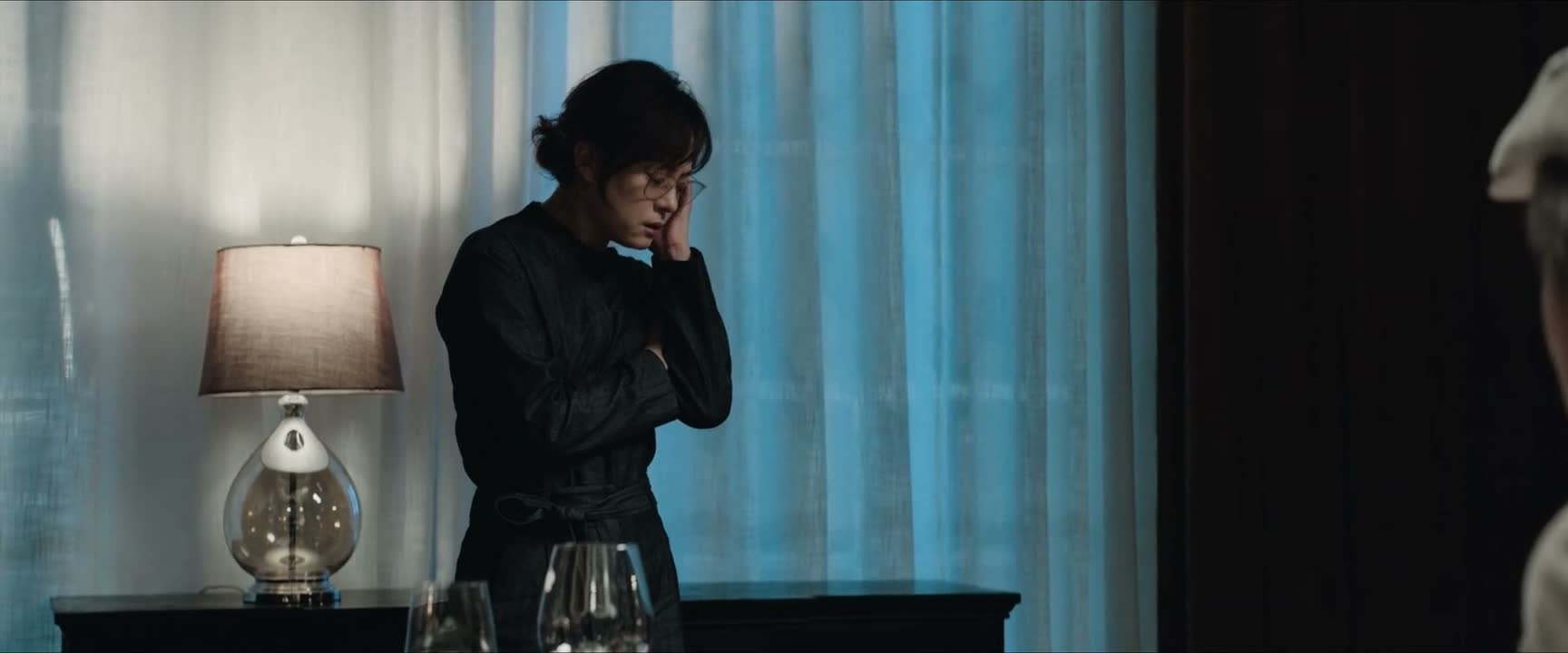
你以为我想这样吗?我想吗?
“You think I want this?”
THE DIALOGUE REEL
“That's the company's marketing strategy! What the hell do you know?”
你以为 我想 这样 吗 ?我想 吗 ?
“You think I want this?”
我觉得你很想啊
“I think you do.”
“I hated doing this too, so stop blaming me like it was my choice!”
In Chinese conflict resolution or disputes, emphasizing lack of agency helps deflect moral culpability by framing bad behavior as an unavoidable professional or situational constraint.
LEARNING CHUNKS & PARTICLES
do you think I wanted this / you think I had a choice
A standard self-defense rhetorical question used when falsely accused of ill intent or selfish motives.
Transforms the statement into a sharp rhetorical question challenging the listener's accusation.
VOCABULARY & EXPRESSIONS
Parallel Spoken Cinema Scenes (语义近邻切片)

“Do you think I want to?”

“And I ended up like this. She went on and on about building modern factories.”

“Did you miss me that much?”

“It's what I want you to do.”

“Then I'm relieved.”
“Say that it's you who want this,”
“think so?”