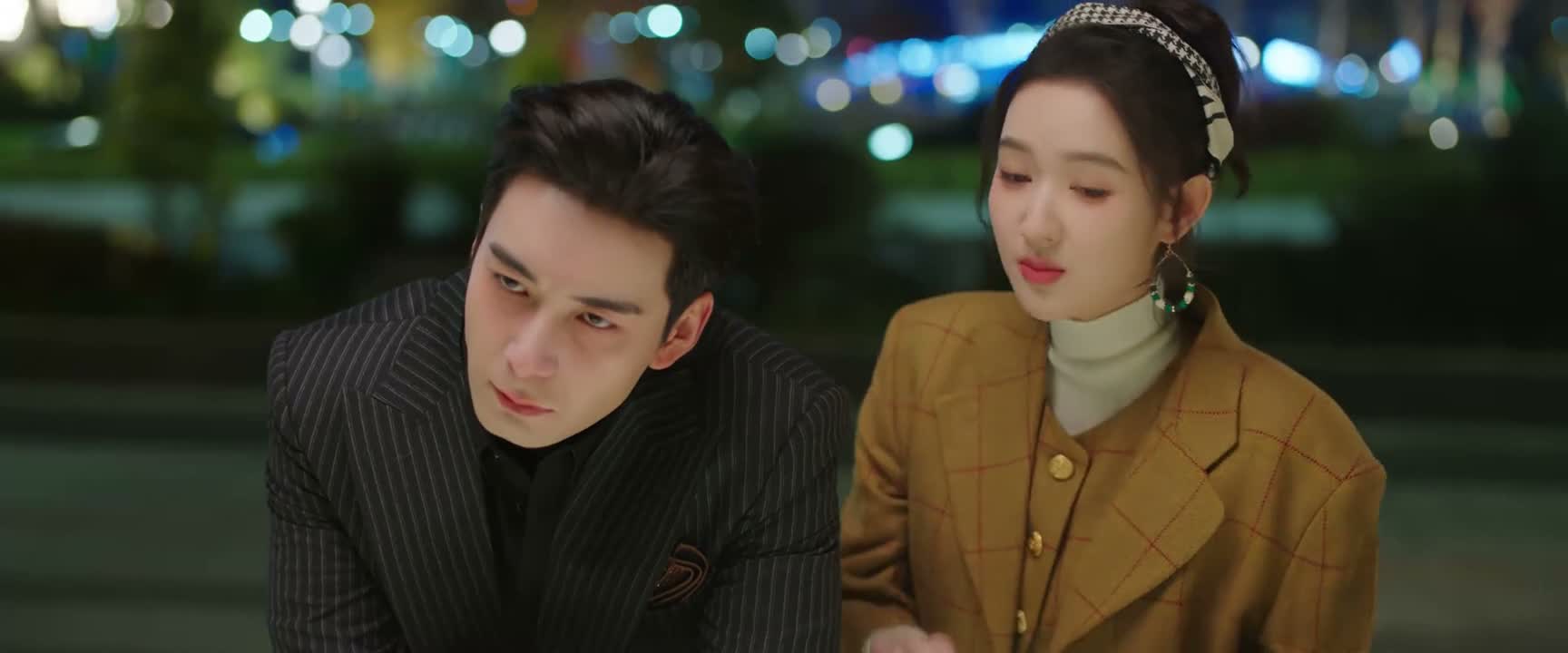
《Love Story in the 1970s》 S1·E14 (31:55)
HSK 4
nǐ wèi shén me tǎo yàn wǒ ma
你为什么讨厌我吗
“why you loathe me?”
《Love Story in the 1970s》
S1·E14
TIMECODE: 31:55
·
1080P MASTER AUDIO
THE DIALOGUE REEL
[-1] PREVIOUS TURN
nǐ néng gào sù wǒ
你能告诉我
“Can you tell me”
nǐ wèi shén me tǎo yàn wǒ ma
CURRENT FOCUS
你 为什么 讨厌我 吗
“why you loathe me?”
[+1] FOLLOW-UP TURN
wǒ
我
“I...”
Subtitles synced to millisecond timecode
Browse Show Clips →
Scene:
Social & Dating
Function:
DEMANDING EXPLANATION
Tone:
DEFENSIVE
Emotion:
FRUSTRATION
WHAT THEY REALLY MEAN (PRAGMATIC SUBTEXT)
“I can't stand your coldness anymore; just tell me what I did wrong.”
💡 Cultural Insight: Direct Emotional Confrontation
Chinese interpersonal communication is traditionally indirect, so asking someone directly why they dislike you indicates significant emotional tension and a breakdown of polite ambiguity.
INTENT TAGS:
#confrontation
#seeking_closure
#vulnerability
#clarification
🧩
1 CHUNKS · 1 PARTICLES
LEARNING CHUNKS & PARTICLES
为什么讨厌我
SPOKEN CHUNK
why do you dislike me
A direct, emotionally charged question used when addressing perceived rejection or hostility.
Modal Particle「吗」 (ma)
CHANGE OF STATE
Functions here as an embedded question marker or conversational tag confirming willingness to answer.
🏮
2 EXPR · 0 GRAMMAR
VOCABULARY & EXPRESSIONS
COLLOQUIAL EXPRESSIONS:
CROSS-CINEMA CORPUS BOARD · PARALLEL SCENES
EXPLORE BY SEMANTIC SIMILARITY
Parallel Spoken Cinema Scenes (语义近邻切片)


《Love Story in the 1970s》 S1·E14 (31:55) · Authentic Cinema Dialogue Corpus