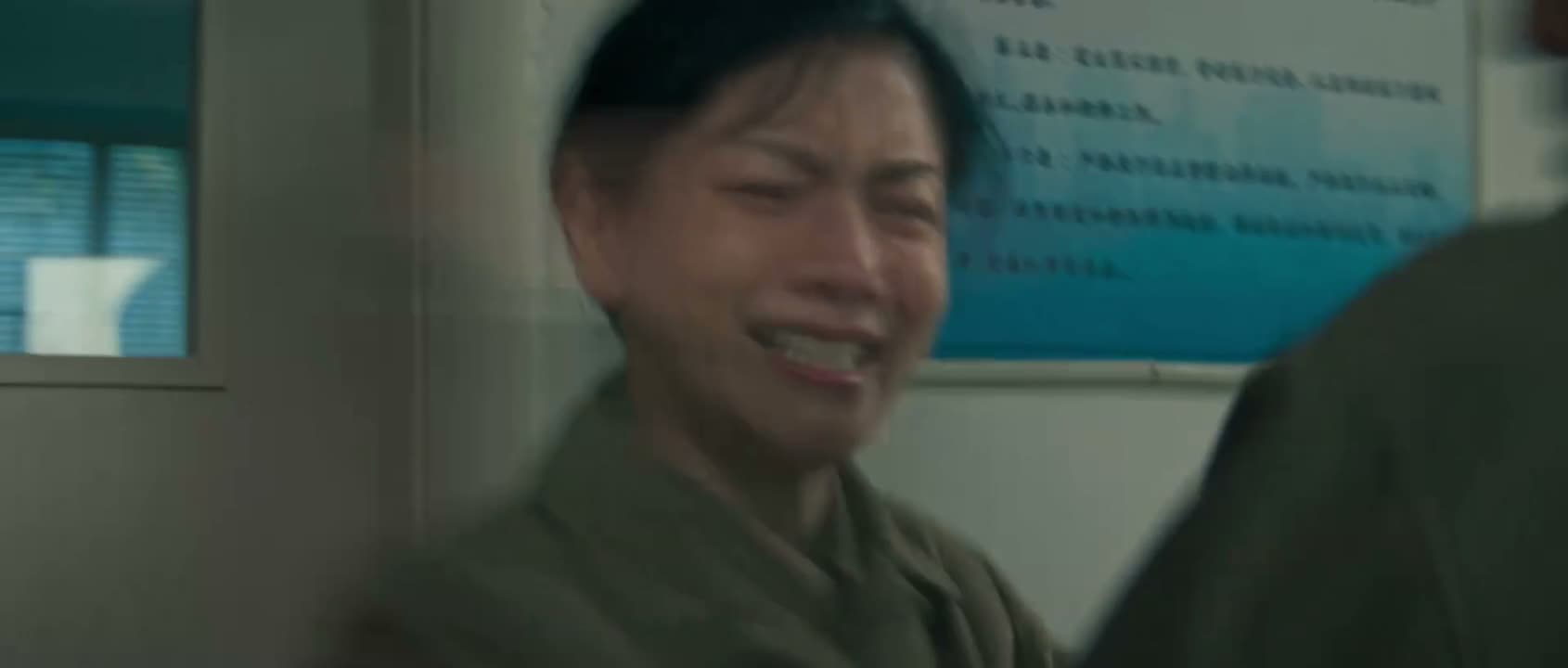
干什么去了 你这话问的 他去干什么
“What for? What a question. Does he have to report to me”
THE DIALOGUE REEL
他有事出去了
“He went out on business.”
干什么去了 你这话问的 他去干 什么
“What for? What a question. Does he have to report to me”
要跟我汇报吗
“about what he's doing?”
“Stop asking me about him; it is none of my business and none of yours.”
Using rhetorical counter-questions like '你这话问的' allows speakers to establish boundaries or express irritation without delivering a formal refusal.
LEARNING CHUNKS & PARTICLES
what a question to ask; that's an absurd question
A common spoken formula used to reject an interlocutor's question as inappropriate, awkward, or unreasonable.
where did (someone) go off to do
Used in casual speech to inquire about or challenge someone's whereabouts or activities.
Marks the completion of leaving and reinforces the bluntness of the rhetorical question.
Turns the clause into a descriptive comment, conveying a critical, dismissive stance toward the preceding remark.
VOCABULARY & EXPRESSIONS
Parallel Spoken Cinema Scenes (语义近邻切片)
“Where were you?”

“Where have you been? Why are you only here now?”

“What were you doing?”

“What exactly are they doing there?”

“What? Where did he go?”

“Where have you been? You didn't reply to messages.”