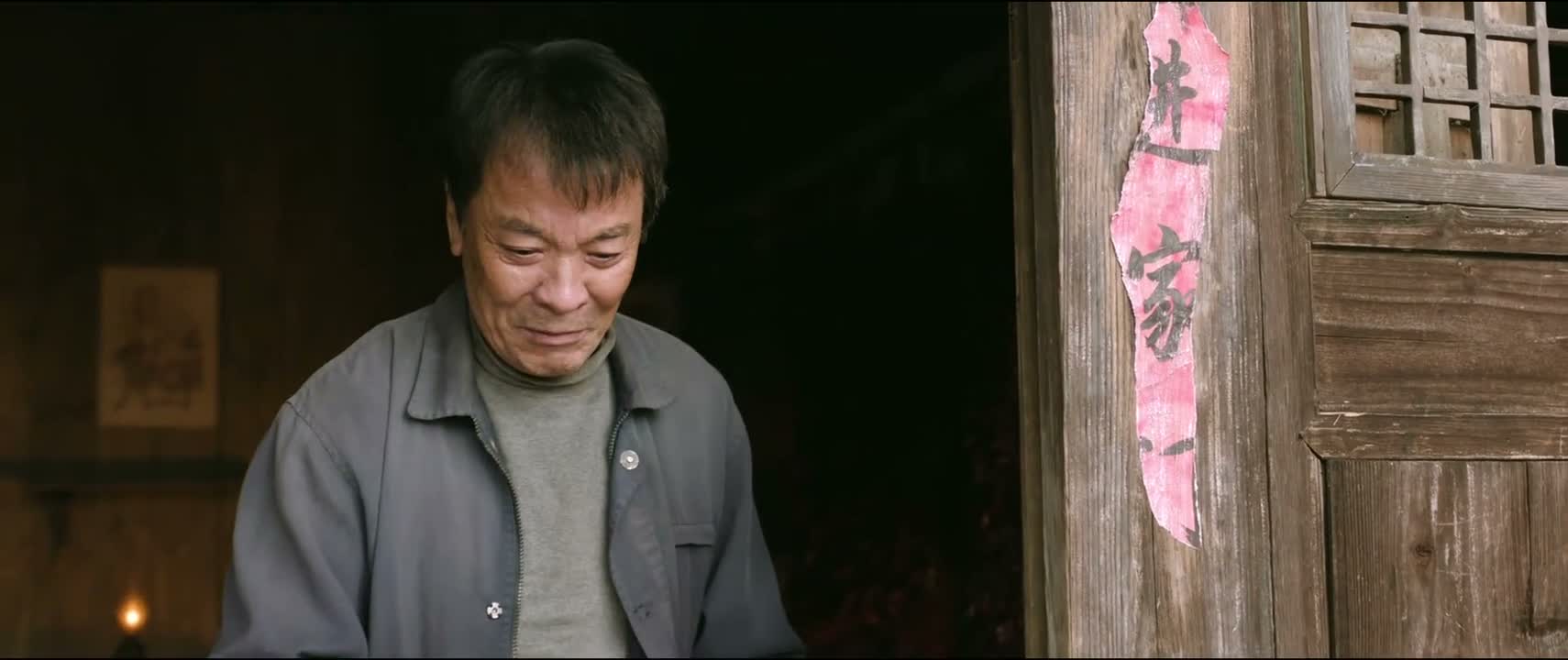
这会儿咋又想让娃学呢
“Why do you want the kid to learn now?”
THE DIALOGUE REEL
“When Bayi wanted to learn opera, you didn't let him, even beating him.”
这会儿 咋又想让娃学 呢
“Why do you want the kid to learn now?”
八一是男娃 再说现在和以前也不一样了嘛
“Bayi is a boy. Besides, things have changed now.”
“You were strictly against it before, so why the sudden change of mind?”
Historically, traditional opera performers were viewed as low-status and impoverished, but modern perspectives often view cultural performance training more favorably as an enrichment or talent.
LEARNING CHUNKS & PARTICLES
right now; at this moment
A colloquial northern and western term used in contrast to 'that time' (那会儿) or past events.
how come ... again
A frequent spoken dialectal contraction of '怎么又', expressing mild bewilderment or questioning a recurring pattern.
Marks an open, inquiring question, softening the bluntness of the challenge.
VOCABULARY & EXPRESSIONS
Parallel Spoken Cinema Scenes (语义近邻切片)
“That's no way to teach a child.”

“Transferring to another school isn't good for the study of a child.”

“She's so young, how could she learn that?”

“think of another way for them.”

“When we have kids in the future, school enrollment won't be a problem.”

“and I couldn't learn the language.”