给自己加了多少戏 作了多少妖
“How much drama have you created? How much trouble have you stirred up?”
THE DIALOGUE REEL
别装了 为了在方总监面前邀功 瞧瞧你
“Stop pretending. Just to get credit from Ms. Fang, look at you.”
给 自己 加了多少戏 作了多少妖
“How much drama have you created? How much trouble have you stirred up?”
那么厉害
“You're so capable,”
“Quit acting innocent; we all know you created unnecessary drama just to suck up to the boss.”
In Chinese office politics, visibly manufacturing drama to curry favor with superiors ('yaogong') often triggers resentment and mockery from peers.
LEARNING CHUNKS & PARTICLES
to make drama about oneself; to overact or crave the spotlight unnecessarily
A popular modern slang phrase used when someone overcomplicates matters or acts extra to draw attention.
to stir up trouble; to act up or cause mischievous drama
Colloquial term often used in northern spoken Mandarin to criticize someone who acts recklessly or theatrically.
VOCABULARY & EXPRESSIONS
Parallel Spoken Cinema Scenes (语义近邻切片)

“How is the troupe supposed to handle this? You even yelled at me”
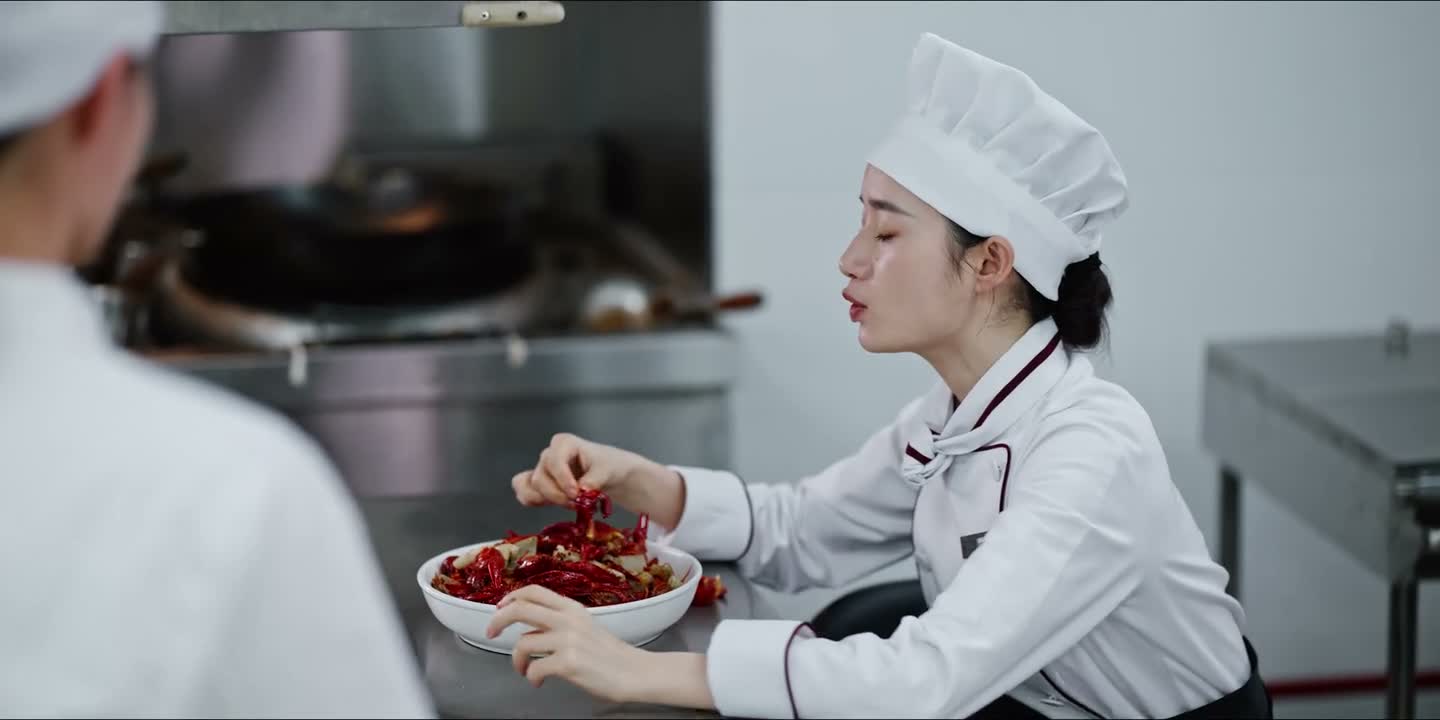
“I want to see who's causing trouble.”

“This can totally be called a demon world. There's no need to be so argumentative.”
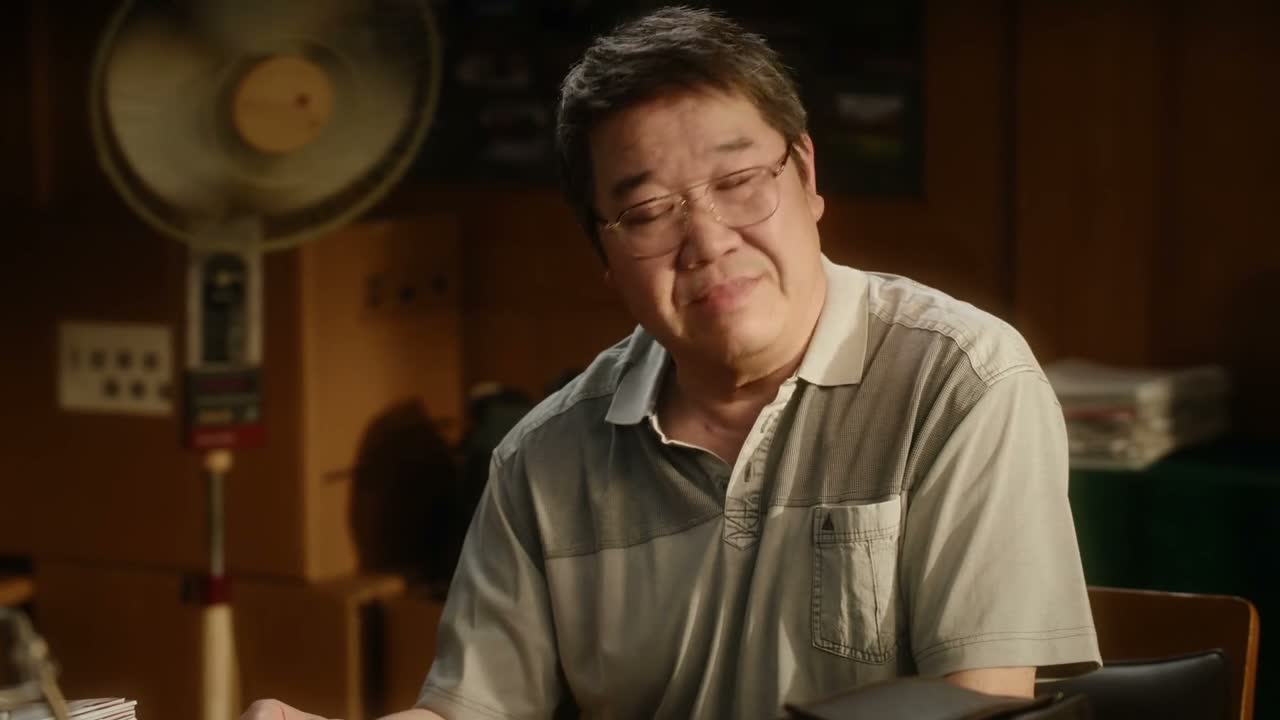
“every play has its own fate.”
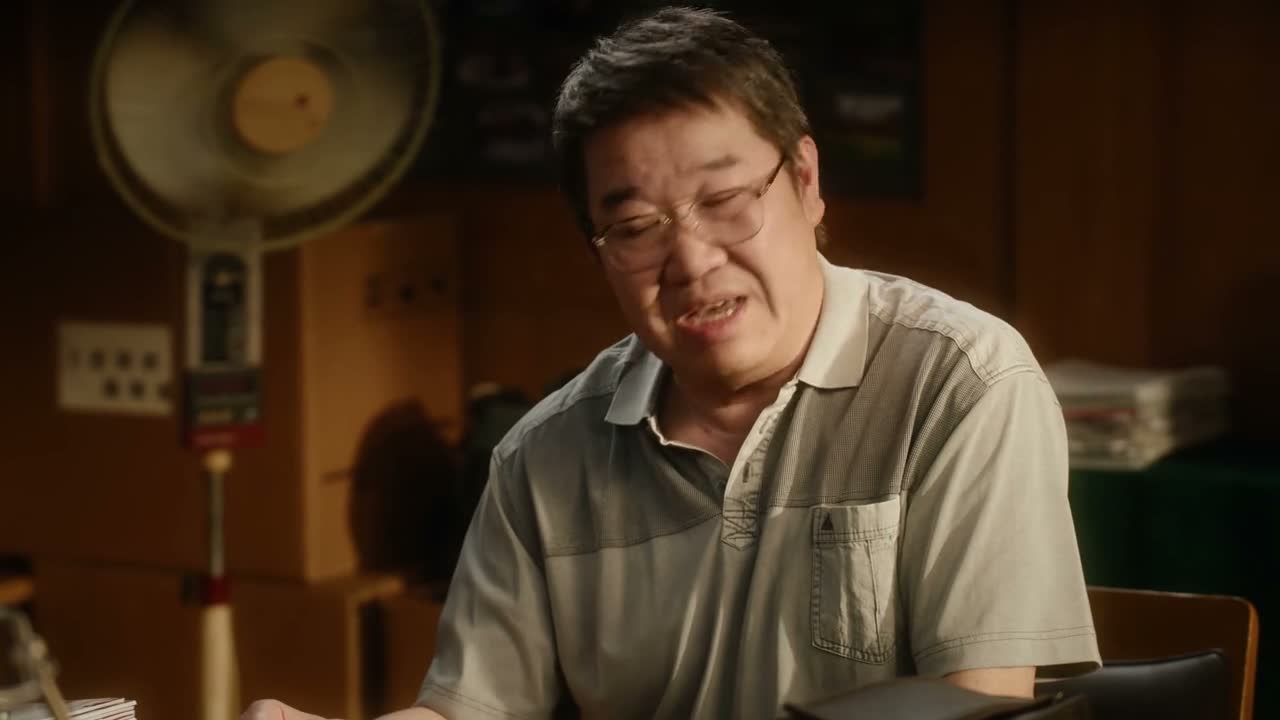
“every play has its own fate.”

“Once you perform it, this play is sure to be a hit.”