生什么气呢
“Why is she angry?”
THE DIALOGUE REEL
我挺好的呀
“I'm doing pretty good.”
生什么气 呢
“Why is she angry?”
不是 妈你干吗呀
“Wait, Mom. What are you doing?”
“Don't pretend you are fine; I can tell you're upset, so tell me why.”
Chinese family members often intuitively sense hidden displeasure even when one says 'I am fine', prompting gentle persistence to uncover the truth.
LEARNING CHUNKS & PARTICLES
to get angry; to take offense
A fundamental verb-object collocation used daily to describe feelings of irritation or anger.
why get angry; what is there to be mad about
A rhetorical or inquisitive pattern used to challenge or soften someone's anger.
Softens the rhetorical query, adding a reflective and caring nuance instead of an aggressive confrontation.
VOCABULARY & EXPRESSIONS
Parallel Spoken Cinema Scenes (语义近邻切片)

“mom always got angry.”
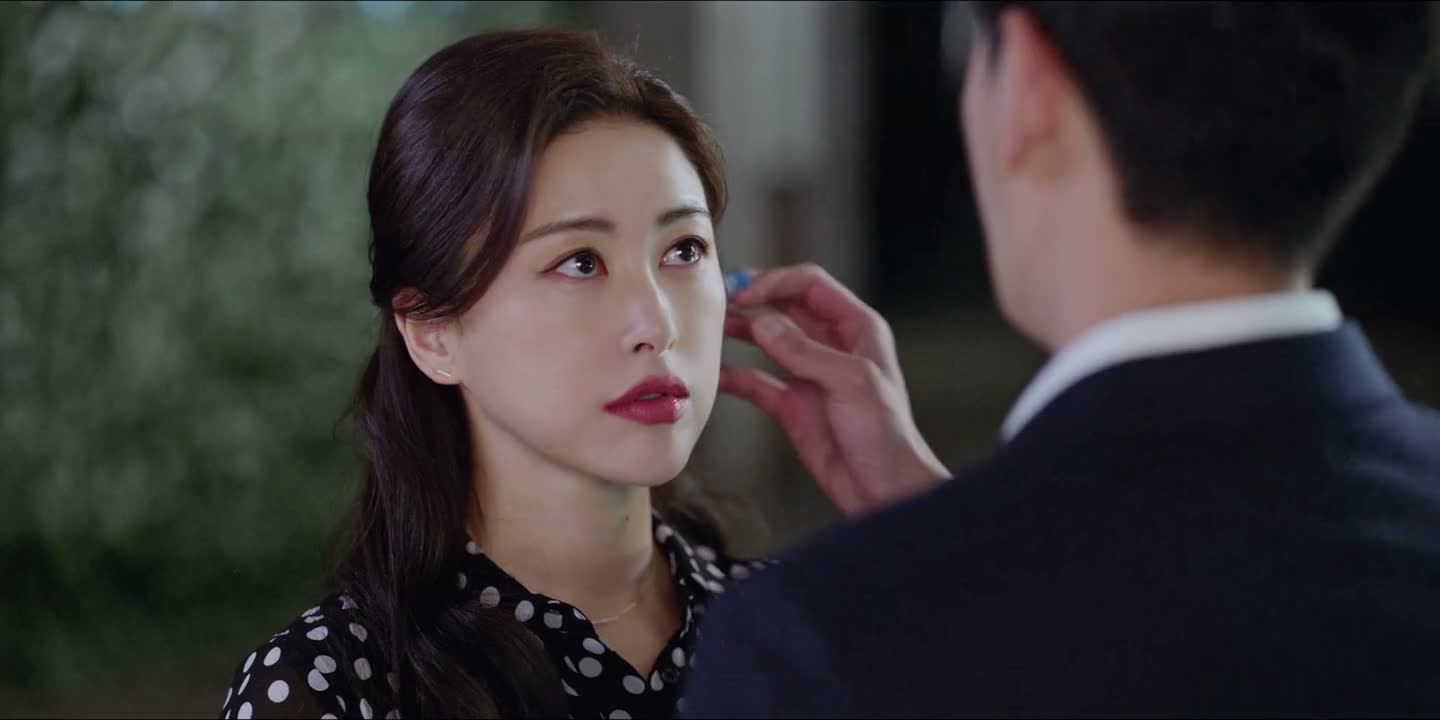
“Why would I be angry?”

“Are you mad at me? I am.”

“What are you staring at?”

“How could he be mad at you?”

“I was actually angry at myself.”