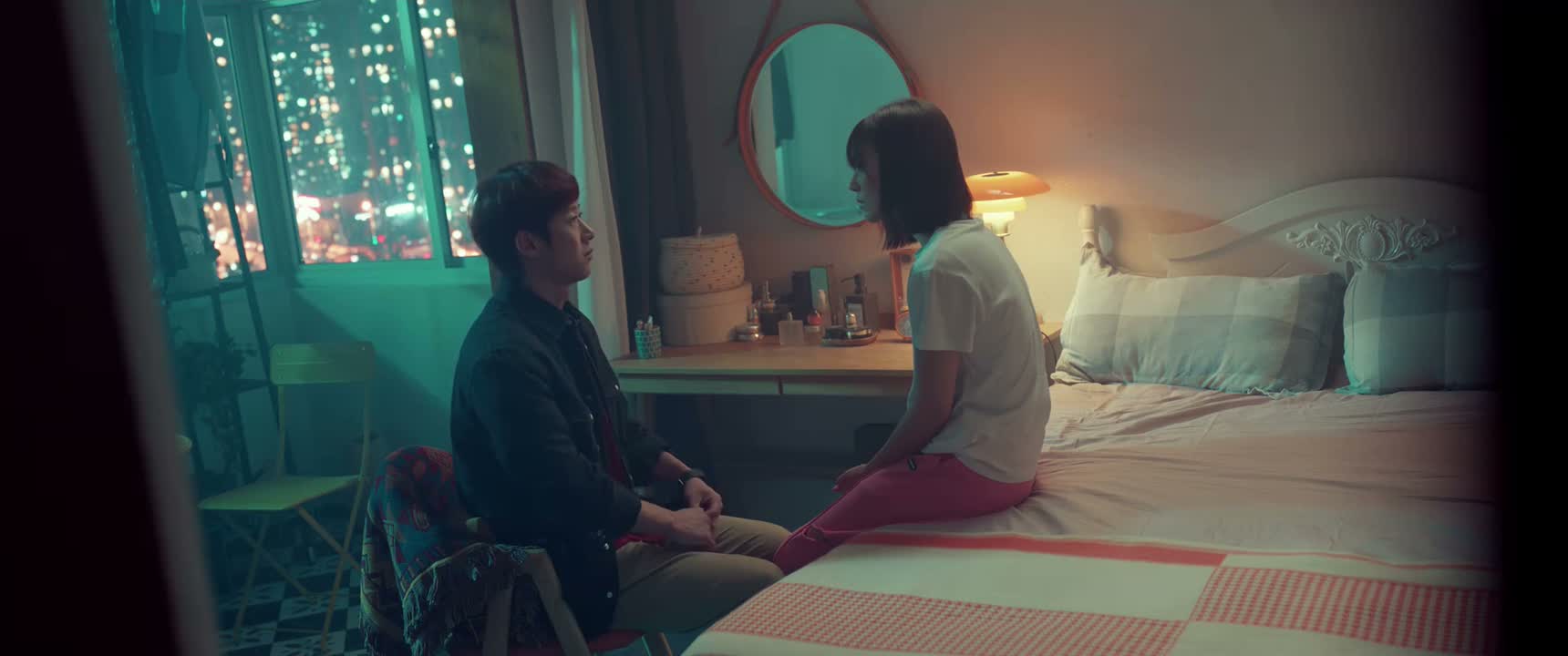
《A Splendid Match》 S1·E30 (20:04)
HSK 4
shēng wǒ qì le shēng qì le
生我气了 生气了
“Are you mad at me? I am.”
《A Splendid Match》
S1·E30
TIMECODE: 20:04
·
1080P MASTER AUDIO
THE DIALOGUE REEL
[-1] PREVIOUS TURN
nǐ qù shū zhāi shuì ba
你去书斋睡吧
“Go sleep in the study.”
shēng wǒ qì le shēng qì le
CURRENT FOCUS
生我气了 生气了
“Are you mad at me? I am.”
[+1] FOLLOW-UP TURN
nǐ gǎn jǐn zǒu bù xiǎng kàn jiàn nǐ
“Leave right now. I don't want to see you.”
Subtitles synced to millisecond timecode
Browse Show Clips →
Scene:
Family & Home
Function:
TESTING THE WATERS
Tone:
COAXING
Emotion:
AFFECTION
WHAT THEY REALLY MEAN (PRAGMATIC SUBTEXT)
“I know you're upset, but let's talk instead of sending me away.”
💡 Cultural Insight: Hong (Coaxing)
In Chinese romantic interactions, directly verifying anger through gentle repetition serves as an opening move to 'hong' (sweet-talk or appease) an upset partner.
INTENT TAGS:
#appeasement
#checking_in
#coaxing
#affection
🧩
1 CHUNKS · 1 PARTICLES
LEARNING CHUNKS & PARTICLES
生我气了
SPOKEN CHUNK
Are you mad at me?
A common colloquial phrase used between close friends or partners to ask if someone is holding a grudge.
Modal Particle「了」 (le)
CHANGE OF STATE
Indicates a newly realized change of state, highlighting the sudden shift in the partner's mood.
🏮
2 EXPR · 0 GRAMMAR
VOCABULARY & EXPRESSIONS
COLLOQUIAL EXPRESSIONS:
CROSS-CINEMA CORPUS BOARD · PARALLEL SCENES
EXPLORE BY SEMANTIC SIMILARITY
Parallel Spoken Cinema Scenes (语义近邻切片)
《A Splendid Match》 S1·E30 (20:04) · Authentic Cinema Dialogue Corpus