生气了
shēng qì leCommon spoken expression used by native Chinese speakers in daily life.
[Scene: 家庭日常]
(13 clips) 00:02
 00:02
 00:03
(这坏𪨊把牛偷了 让你拔橛了 火大了 火大了) ── Previous context
“The corn congee is sticking. I'm not mad; you shouldn't be either.”
 00:02
 00:02
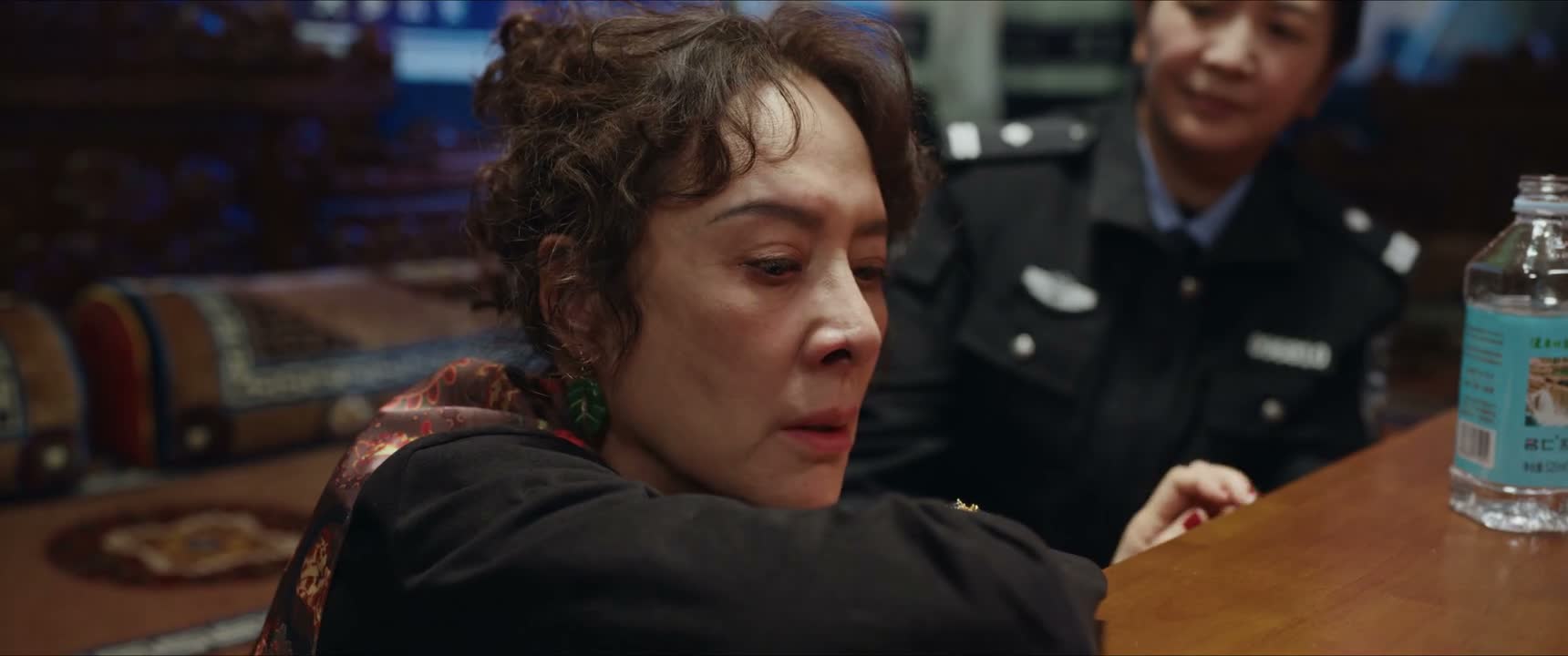 00:02
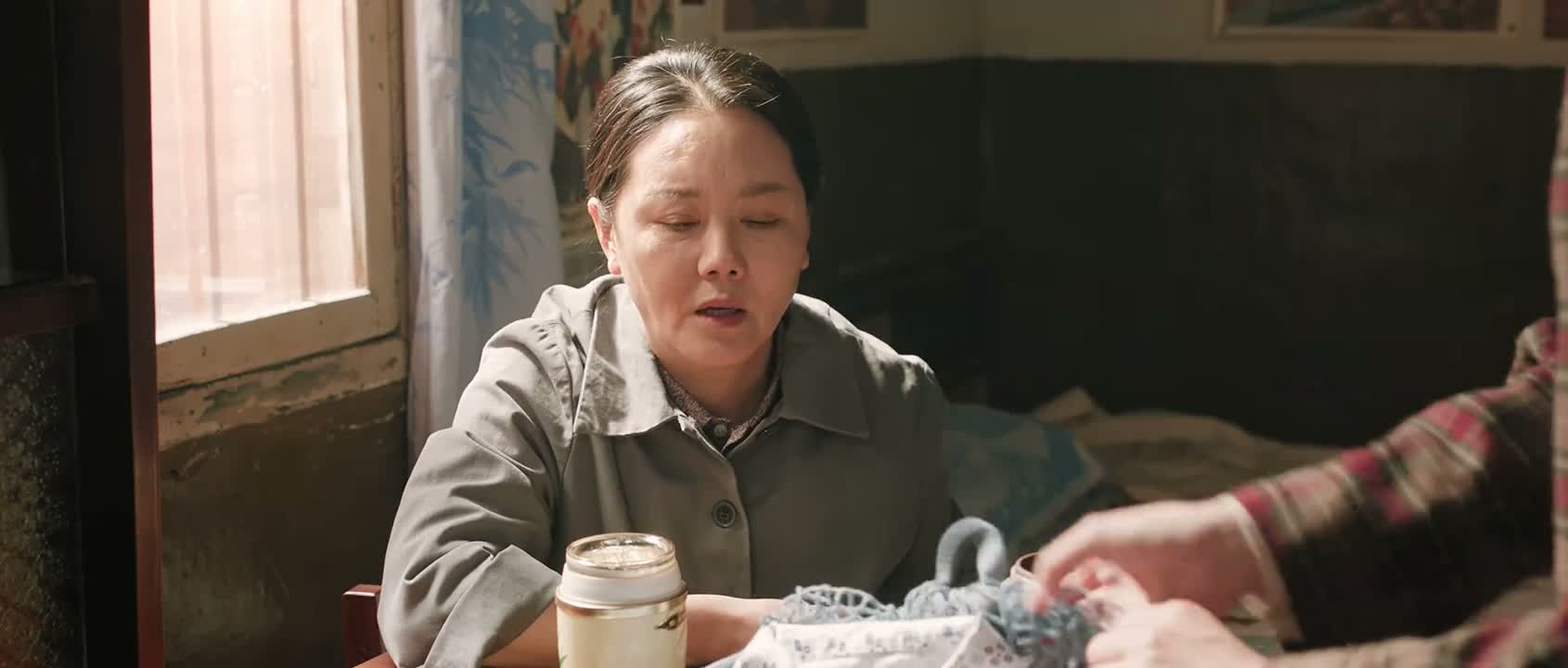 00:02
 00:03
 00:03
(滚犊子) ── Previous context
“Don't be mad. I will definitely beat him up. He won't get away.”
 00:02
 00:02
 00:03
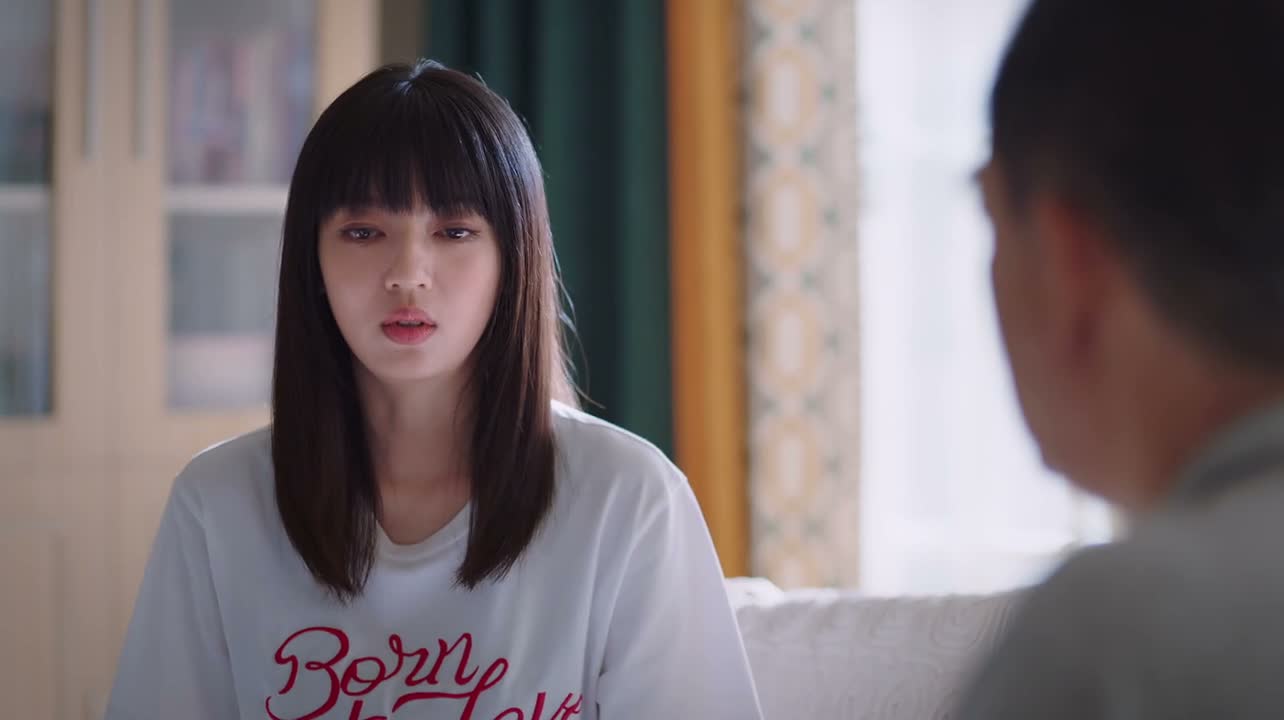 00:02
[Scene: 社交聚会]
(12 clips)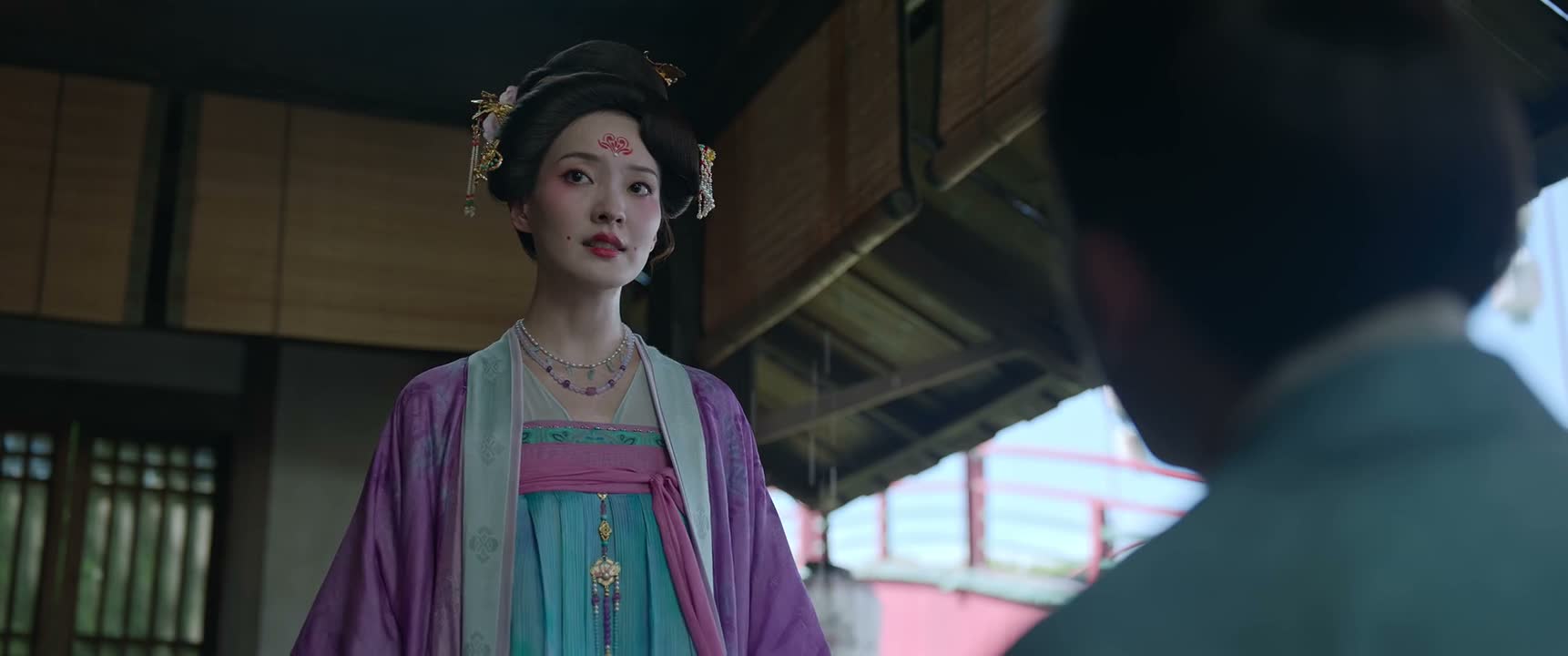 00:03
 00:03
(我从头到尾 就没说让你回家住 是你自己说的) ── Previous context
“So, so, you are not angry with me, right?”
 00:02
 00:03
 00:03
(我去那个学校对面等你啊 你快点) ── Previous context
“Why haven't you come yet? Hurry up, or I'll be mad.”
 00:03
(我就去马路对面等) ── Previous context
“Why haven't you come yet? Hurry up, or I'll be mad.”
 00:02
 00:03
(那是我小时候 觉得最丢脸的事情) ── Previous context
“I shouldn't have told you. What? Are you angry?”
 00:02
 00:02
(可是贺子秋 他真的很生气) ── Previous context
“When someone is angry, you think it's your fault.”
 00:03
(这) ── Previous context
“I know it's hard to hear, but when you upset a girl, you have to win her back fast.”
 00:02
[Scene: 其他场景]
(8 clips) 00:03
 00:03
 00:02
 00:02
 00:02
 00:02
 00:02
 00:03
(有什么秘密信息 藏在你的培根三明治里吗?) ── Previous context
“Walk away quickly, like I've pissed you off.”
[Scene: 其他场景]
(3 clips) 00:03
 00:02
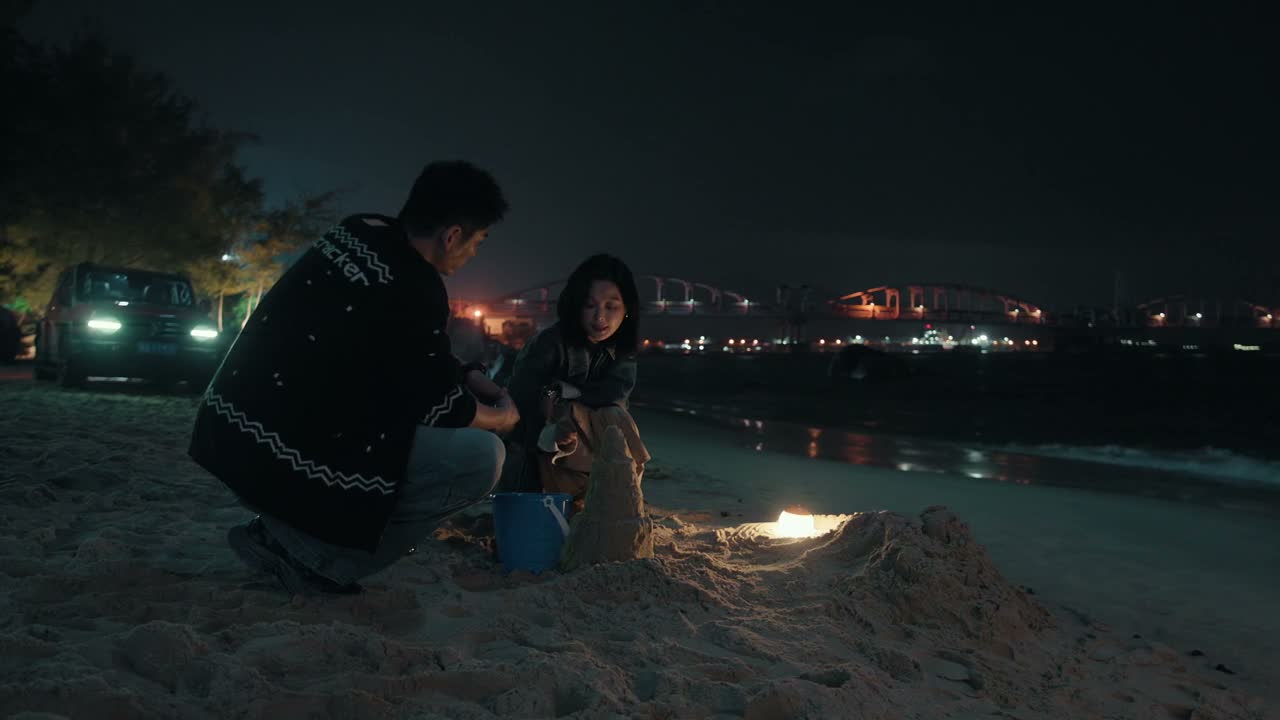
(这雪山大地 都要生你的气的 是 是 是) ── Previous context
“I won't do it anymore. Don't be angry.”
 00:02
[Scene: 历史宫廷]
(2 clips) 00:03
(难不成郡主跟主子说了什么) ── Previous context
“Please don't be mad, Master. If I come up with a good idea again,”
 00:03
[Scene: 警匪刑侦]
(1 clips)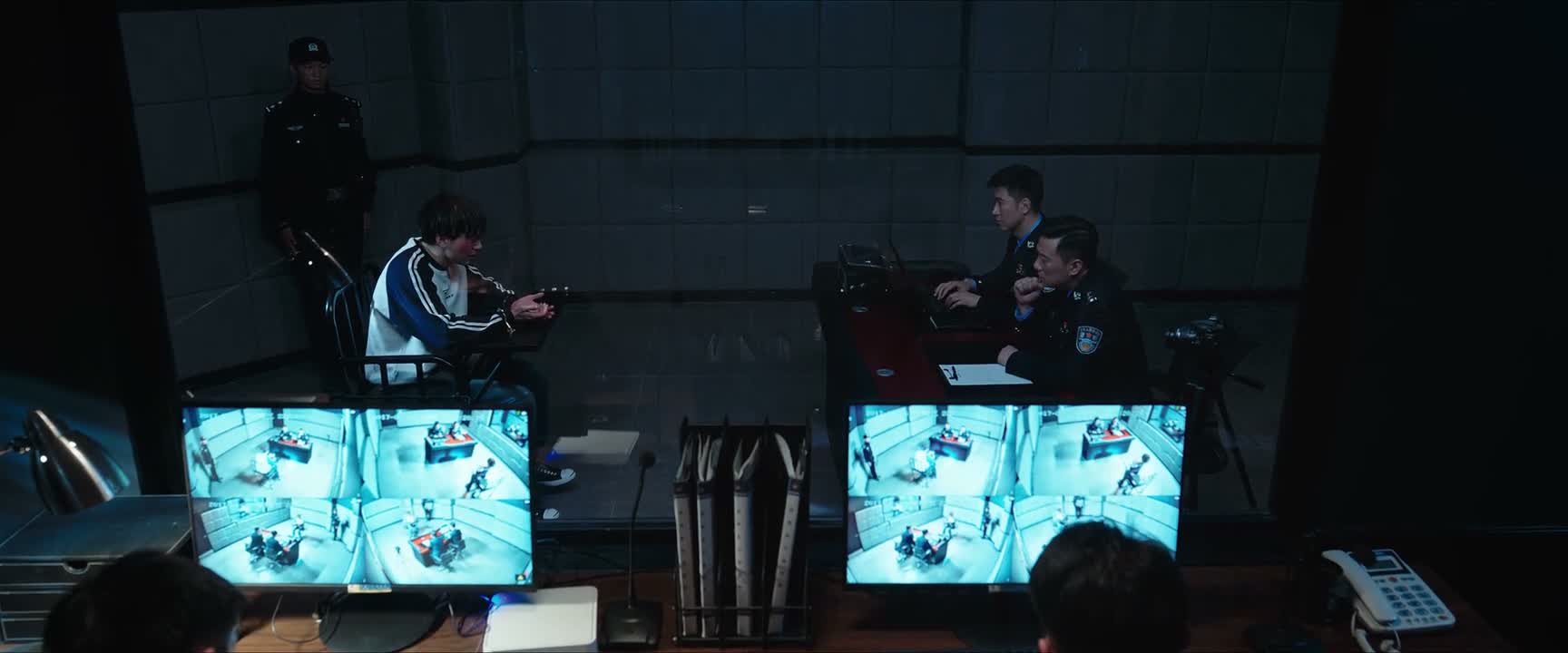 00:03
(她是想着回家以后 再把东西交出来) ── Previous context
“Lai got angry when he heard this, and told her not to do things the hard way.”
[Scene: 职场工作]
(1 clips) 00:03
(既然不是那么着急 宇总何必追到筑翎来) ── Previous context
“Are you upset because I had dinner with Mr. Pei?”
📌 别生气了
→Nuance: 同为安抚道歉,增加了保证承诺
📌 别生气了
→Nuance: 同向近义词根配对: [以后 ↔ 后来]
📌 没事
→Nuance: 同为劝慰平息怒气的表达
📌 没事
→Nuance: 同为安慰劝解,意图一致
📌 你赶紧
→Nuance: 道歉劝解意图高度一致可互换
📌 好了好了
→Nuance: 安抚情绪意图一致可互换
📌 对不起
→Nuance: 解释原因的同类辩解表达
📌 对不起
→Nuance: 同为道歉安抚,劝对方别生气
📌 小心
→Nuance: 关照长辈身体的劝慰变体