MC
MandarinClips Cinema Corpus
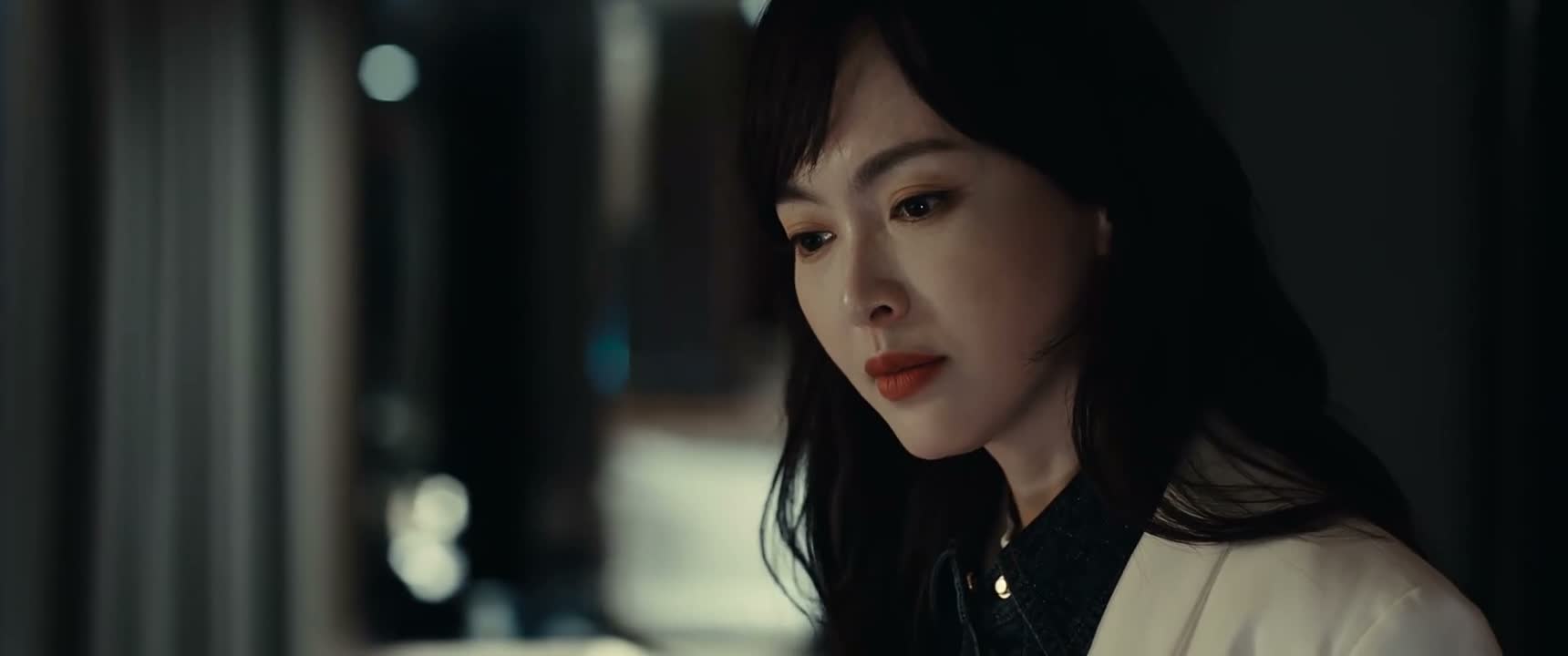
《The Glamorous Night》 S1·E19 (04:35) HSK 3
nǐ bié shēng qì le wǒ yǐ hòu bú huì gěi nǐ rě shì le a

你别生气了 我以后不会给你惹事了啊

“Don't be angry. I won't cause you trouble anymore.”

《The Glamorous Night》 S1·E19
TIMECODE: 04:35 · 1080P MASTER AUDIO

THE DIALOGUE REEL

1+1+1 SPOKEN CONTINUITY
[-1] PREVIOUS TURN dà cù xiāo

大促销

“Big sale.”

nǐ bié shēng qì le wǒ yǐ hòu bú huì gěi nǐ rě shì le a CURRENT FOCUS

你别生气 了 我以后 不会 给你 惹事了 啊

“Don't be angry. I won't cause you trouble anymore.”

[+1] FOLLOW-UP TURN wǒ shì pà nǐ rě shì ma

我是怕你惹事吗

“Am I afraid of the trouble?”

Subtitles synced to millisecond timecode Browse Show Clips →
Scene: Daily Life
Function: APOLOGIZING AND PROMISING
Tone: COAXING
Emotion: GUILT
WHAT THEY REALLY MEAN (PRAGMATIC SUBTEXT)
“Please calm down and forgive me; I promise to behave.”
💡 Cultural Insight: Coaxing (Hong) in Relationships

In close Chinese personal relationships, quickly humbling oneself and using softening particles (hong) is a standard strategy to resolve emotional conflict.

INTENT TAGS: #apology #appeasement #promise #conflict_resolution
🧩

LEARNING CHUNKS & PARTICLES

2 CHUNKS · 2 PARTICLES
别生气了 SPOKEN CHUNK

don't be angry anymore / calm down

A very common colloquial expression used to soothe someone who is irritated.

惹事 SPOKEN CHUNK

cause trouble / stir up trouble

Used to describe bringing external nuisance or problems to oneself or family/partners.

Modal Particle「了」 (le) CHANGE OF STATE

Marks the cessation of an ongoing emotional state ('stop being angry') and changes in future habit.

Modal Particle「啊」 (a) CHANGE OF STATE

Softens the imperative and coaxing tone at the end of the clause to seek agreement.

🏮

VOCABULARY & EXPRESSIONS

4 EXPR · 0 GRAMMAR
CROSS-CINEMA CORPUS BOARD · PARALLEL SCENES

Parallel Spoken Cinema Scenes (语义近邻切片)

EXPLORE BY SEMANTIC SIMILARITY
《The Glamorous Night》 S1·E19 (04:35) · Authentic Cinema Dialogue Corpus