他是不是又惹你生气了 别给我提他
“Did he make you angry again? Don't mention him.”
THE DIALOGUE REEL
我去做饭
“I'll cook.”
他 是不是又 惹你生气 了 别 给我 提他
“Did he make you angry again? Don't mention him.”
行了 妈 别生气了 你今天过生日 你看
“Alright, Mom. Don't be upset. It's your birthday. Look,”
Direct spoken expression in this communicative setting.
In close Chinese family dynamics, members often drop polite indirectness and vent raw negative emotions directly when grievances accumulate.
LEARNING CHUNKS & PARTICLES
make you angry; provoke you
Used to describe causing someone frustration or annoyance through words or actions.
don't you dare (do something to me)
Adds an emphatic, irritated imperative tone to orders, reinforcing personal boundaries.
Signifies that the provocation or emotional change has already occurred.
VOCABULARY & EXPRESSIONS
Parallel Spoken Cinema Scenes (语义近邻切片)

“Sometimes he provokes you. And when you're still mad,”

“I must've made him upset somehow.”

“and ask me not to make you angry again.”
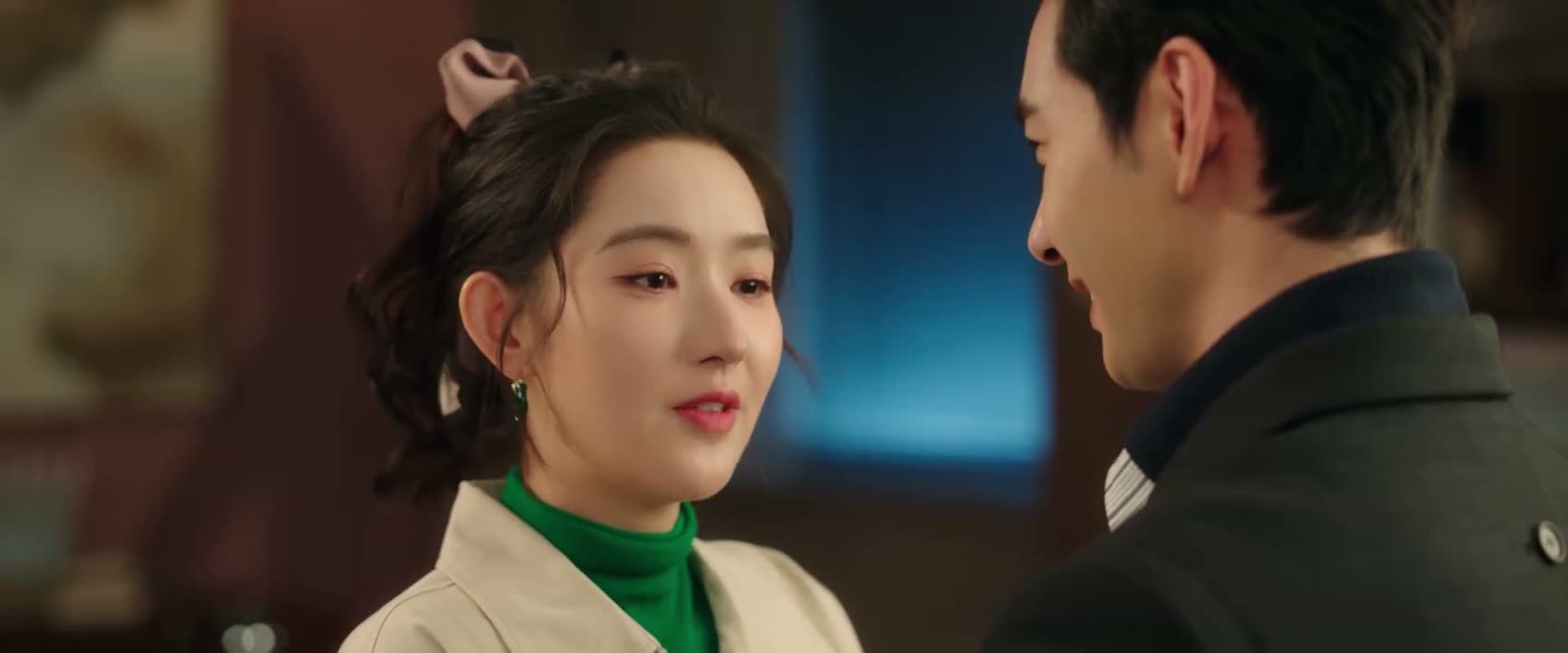
“What if you upset me?”

“Did I make you mad?”

“He doesn't even know you're angry. You're only hurting your own health.”