我惹您生气了是不
“Did I make you mad?”
THE DIALOGUE REEL
身体也受不了呀
“It'll take a toll on your body.”
我 惹您生气了 是不
“Did I make you mad?”
您起来
“Wake up.”
“Please do not stay mad at me; let us resolve this.”
Using the honorific pronoun reflects respect toward an elder, while gingerly inquiring about their anger serves to repair interpersonal harmony without direct confrontation.
LEARNING CHUNKS & PARTICLES
to make someone angry or provoke someone
A common colloquial pattern used to describe upsetting someone or causing friction.
isn't it? / right?
A northern colloquial tag question used at the end of a sentence to seek confirmation.
Indicates a completed change of state, marking that the listener has become angry.
VOCABULARY & EXPRESSIONS
Parallel Spoken Cinema Scenes (语义近邻切片)
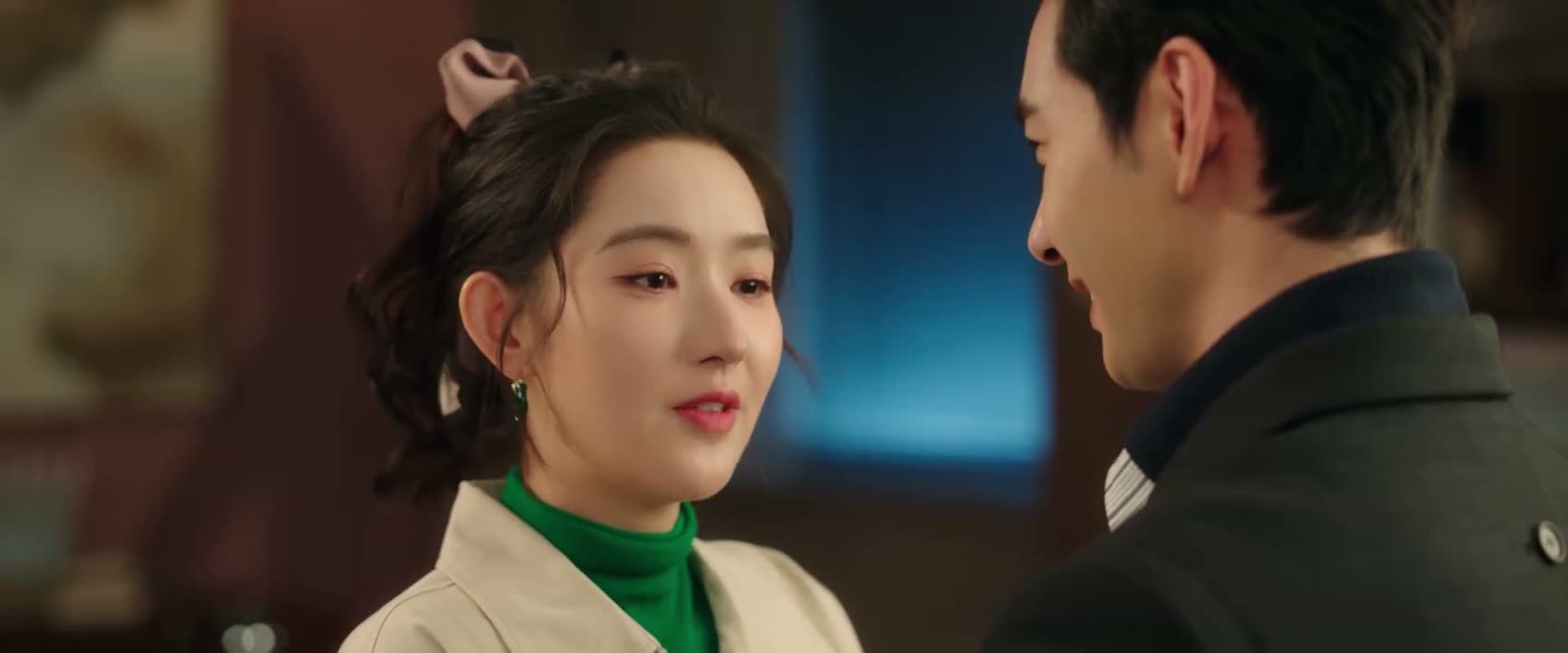
“What if you upset me?”

“What's wrong? Who upset you?”

“I must've made him upset somehow.”

“I made Dad angry before.”
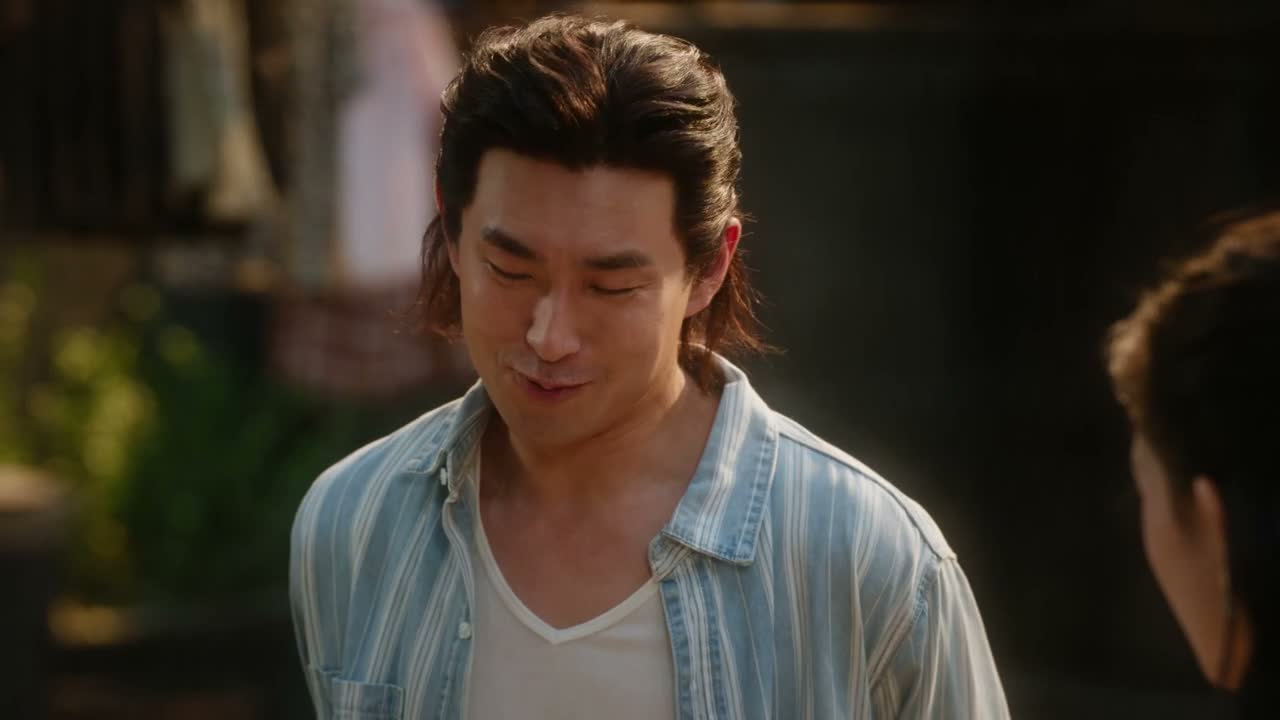
“others with my words.”

“Sometimes he provokes you. And when you're still mad,”