费霓你怎么还生气了
“Fei Ni, why are you mad?”
THE DIALOGUE REEL
“I don't know what Ye Feng likes about her.”
费霓你 怎么还生气了
“Fei Ni, why are you mad?”
费霓
“Fei Ni?”
“You have no reason to be mad over something so trivial.”
Using questions like 'why are you even mad' often reflects emotional insensitivity, inadvertently deepening conflict by trivializing the other party's feelings.
LEARNING CHUNKS & PARTICLES
why on earth; how come... unexpectedly
Expresses surprise and subtle reproach when someone behaves in a way contrary to the speaker's expectations.
got angry; become upset
A standard spoken phrase for describing someone losing their temper or taking offense.
Signifies a change of state, marking that the person has now shifted into an angry mood.
VOCABULARY & EXPRESSIONS
Parallel Spoken Cinema Scenes (语义近邻切片)
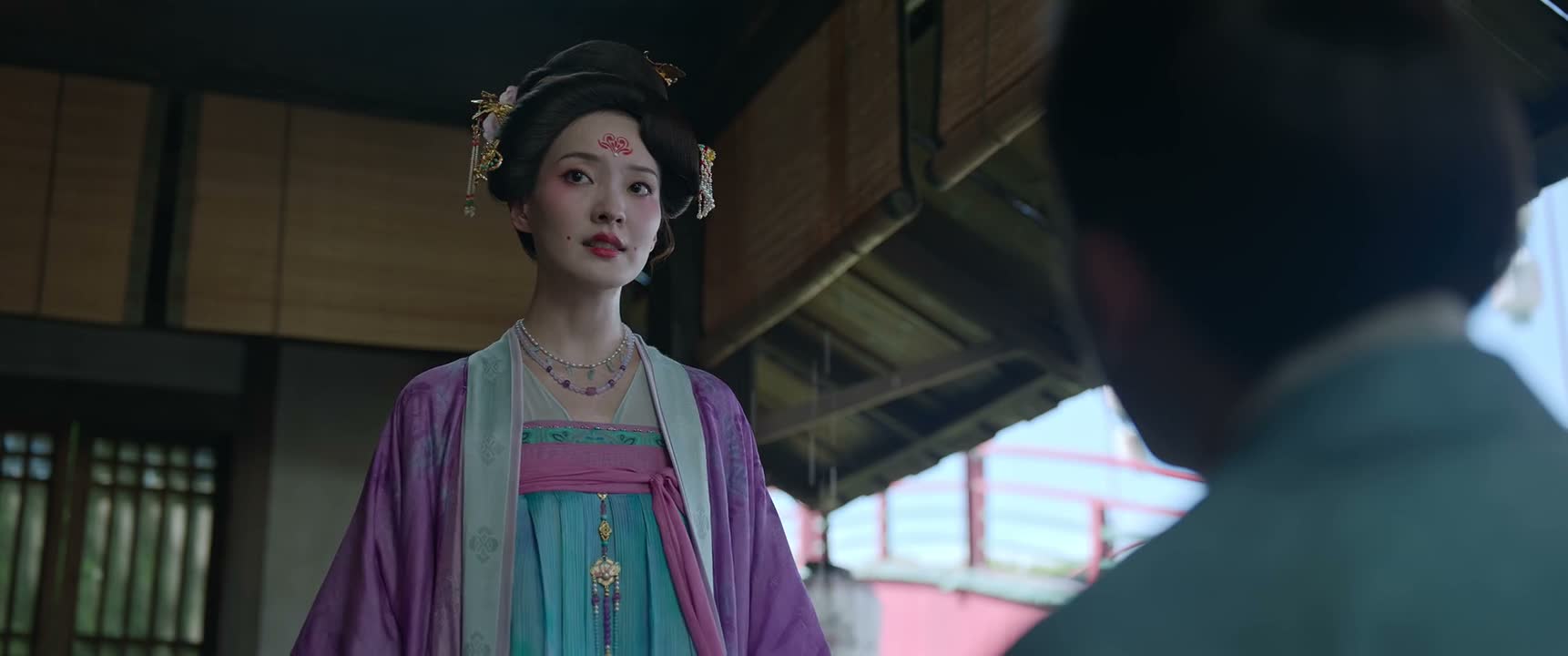
“Am I angry? I'm not angry.”
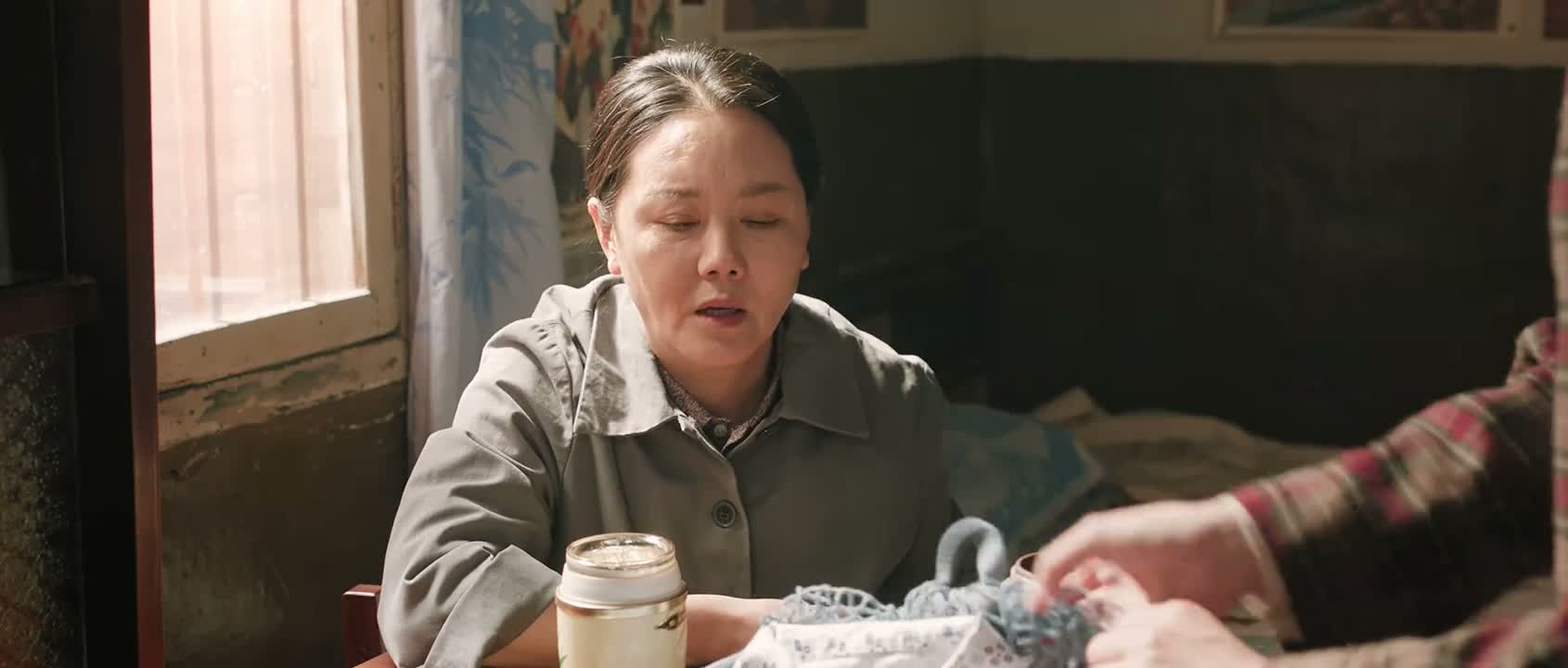
“Don't be upset. Daughters are always the best.”

“Are you still mad at me?”
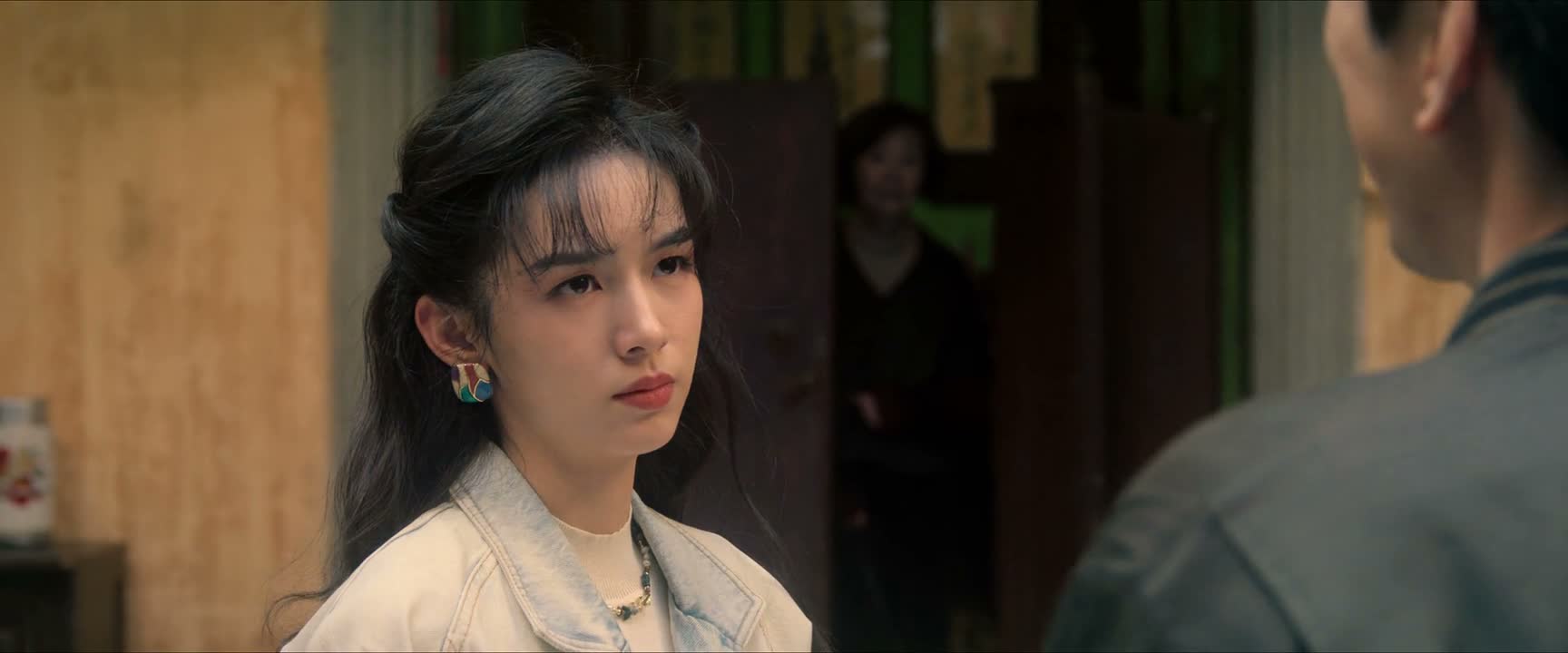
“Are you still mad? How can I not?”

“Are you that angry?”

“Yeah, why are you talking nonsense?”