《Dream of Golden Years》 S1·E16 (12:38)
HSK 5
hái zài shēng qì ó wǒ néng bù shēng qì ma
还在生气哦 我能不生气吗
“Are you still mad? How can I not?”
《Dream of Golden Years》
S1·E16
TIMECODE: 12:38
·
1080P MASTER AUDIO
THE DIALOGUE REEL
[-1] PREVIOUS TURN
shuō jù huà ma
说句话嘛
“please say something.”
hái zài shēng qì ó wǒ néng bù shēng qì ma
CURRENT FOCUS
还在生气 哦 我能不生气吗
“Are you still mad? How can I not?”
[+1] FOLLOW-UP TURN
ràng nǐ chǔ lǐ nǐ gēn nǐ lǎo pó de guān xì jiù zhè me chǔ lǐ a
“I told you to sort out things between you and your wife. Is this how you did it?”
Subtitles synced to millisecond timecode
Browse Show Clips →
Scene:
Crisis & Conflict
Function:
JUSTIFYING RESENTMENT
Tone:
DEFENSIVE
Emotion:
ANGER
WHAT THEY REALLY MEAN (PRAGMATIC SUBTEXT)
“You completely botched this situation, so don't expect me to just calm down!”
💡 Cultural Insight: Rhetorical Defensiveness
Using counter-questions ('How could I not be...') is a standard communicative device in Chinese conflicts to validate emotional outrage.
INTENT TAGS:
#retaliation
#venting
#justifying
#confrontation
🧩
2 CHUNKS · 1 PARTICLES
LEARNING CHUNKS & PARTICLES
还在生气
SPOKEN CHUNK
still angry
Used to describe or query sustained resentment after an argument.
我能不...吗
SPOKEN CHUNK
how could I not... / of course I...
A strong rhetorical question pattern used to emphasize that an emotional reaction or action is entirely inevitable and justified.
Modal Particle「吗」 (ma)
CHANGE OF STATE
Marks a rhetorical question that asserts a strong affirmative point.
🏮
2 EXPR · 3 GRAMMAR
VOCABULARY & EXPRESSIONS
COLLOQUIAL EXPRESSIONS:
CROSS-CINEMA CORPUS BOARD · PARALLEL SCENES
EXPLORE BY SEMANTIC SIMILARITY
Parallel Spoken Cinema Scenes (语义近邻切片)
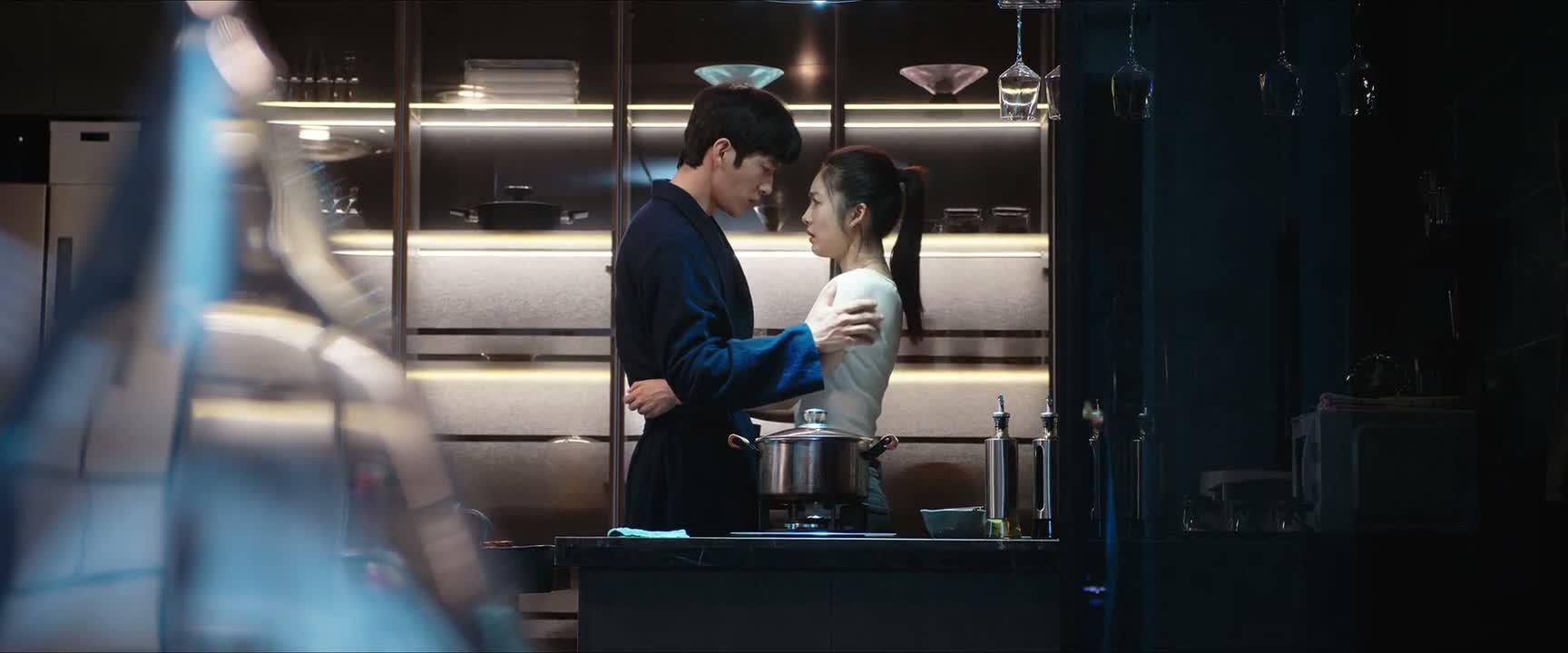
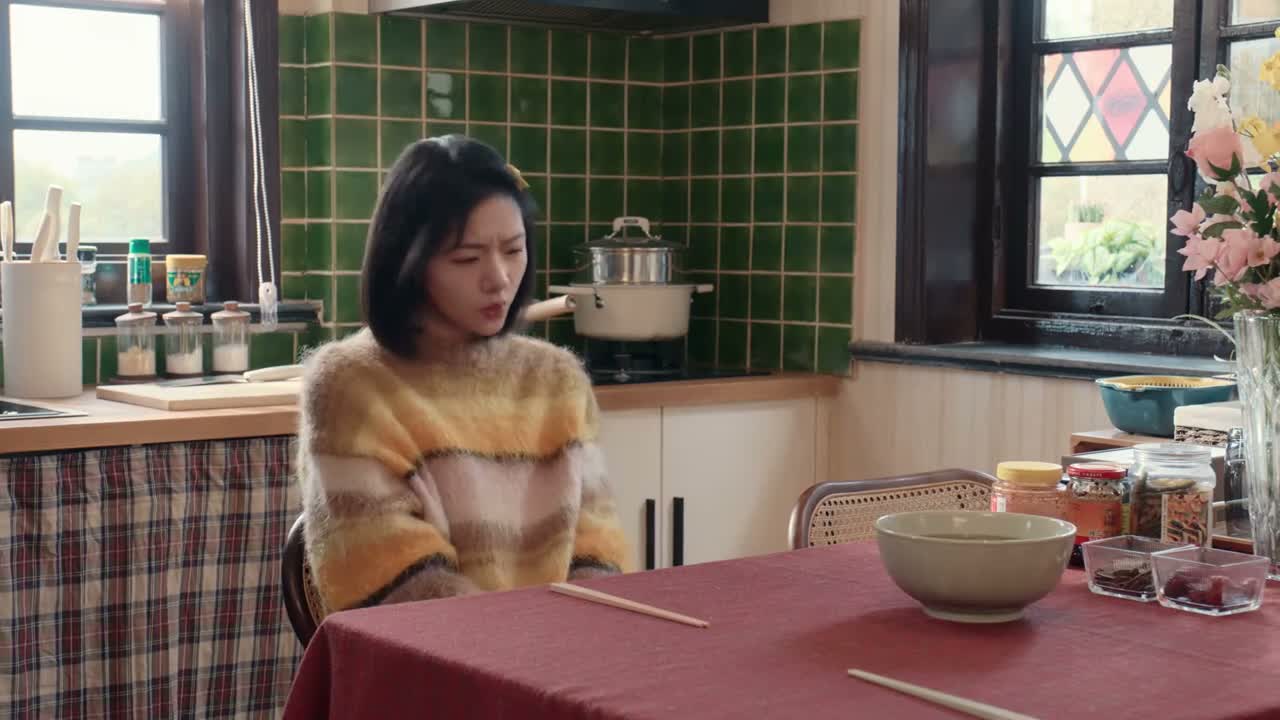
《Dream of Golden Years》 S1·E16 (12:38) · Authentic Cinema Dialogue Corpus