MC
MandarinClips Cinema Corpus
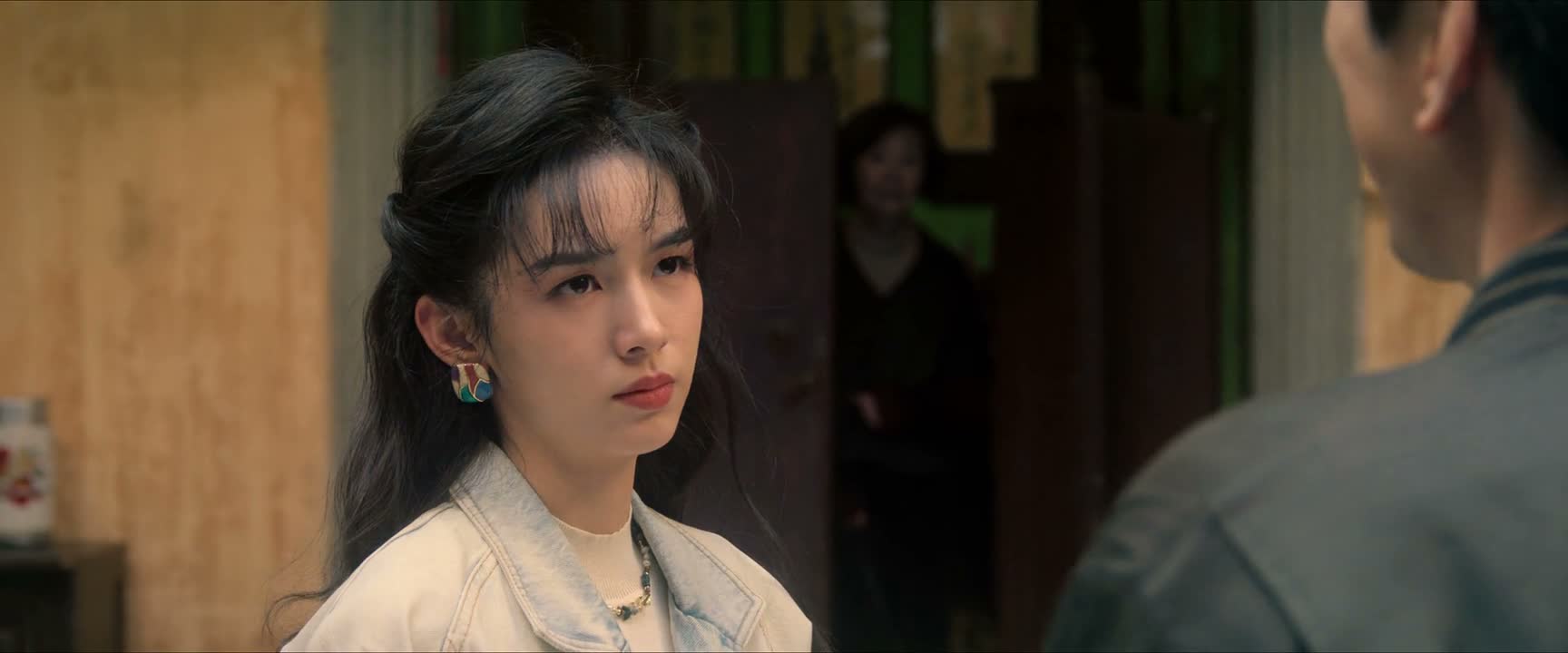
《COURT!》 S1·E4 (31:22) HSK 7
nà nǐ shuō wǒ néng bù yuān wǎng néng bù shēng qì ma

那你说我能不冤枉能不生气吗

“Tell me, how could I not feel wronged or angry?”

《COURT!》 S1·E4
TIMECODE: 31:22 · 1080P MASTER AUDIO

THE DIALOGUE REEL

1+1+1 SPOKEN CONTINUITY
[-1] PREVIOUS TURN hái shuō wǒ jǔ zhe tā de dà qí lā kè

还说我举着他的大旗拉客

“he even said I was using his name to attract clients.”

nà nǐ shuō wǒ néng bù yuān wǎng néng bù shēng qì ma CURRENT FOCUS

那 你说 我 能 不冤枉 能 不生气吗

“Tell me, how could I not feel wronged or angry?”

[+1] FOLLOW-UP TURN dàn wǒ zài zěn me shēng qì

但我再怎么生气

“But no matter how angry I was,”

Subtitles synced to millisecond timecode Browse Show Clips →
Scene: Daily Life
Function: JUSTIFYING EMOTIONS
Tone: DEFENSIVE
Emotion: ANGER
WHAT THEY REALLY MEAN (PRAGMATIC SUBTEXT)
“Anyone in my position would be furious and deeply hurt.”
💡 Cultural Insight: The Burden of Injustice (委屈 / 冤枉)

In Chinese communication, clarifying being 'wronged' is critical because false blame damages one's moral standing and reputation.

INTENT TAGS: #self_justification #expressing_outrage #seeking_empathy #venting
🧩

LEARNING CHUNKS & PARTICLES

2 CHUNKS · 1 PARTICLES
能不...能不... SPOKEN CHUNK

how could one not... and not...

A parallel rhetorical construction used to emphasize the inevitability of a reaction or feeling.

冤枉 SPOKEN CHUNK

wronged / treated unjustly

Essential word for expressing the specific feeling of being falsely accused or misunderstood.

Modal Particle「吗」 (ma) CHANGE OF STATE

Concludes a double negative rhetorical question to assert that feeling aggrieved is natural.

🏮

VOCABULARY & EXPRESSIONS

3 EXPR · 8 GRAMMAR
CROSS-CINEMA CORPUS BOARD · PARALLEL SCENES

Parallel Spoken Cinema Scenes (语义近邻切片)

EXPLORE BY SEMANTIC SIMILARITY
《COURT!》 S1·E4 (31:22) · Authentic Cinema Dialogue Corpus