对啊你怎么还说上胡话了呢
“Yeah, why are you talking nonsense?”
THE DIALOGUE REEL
林华 你是刚才打架把脑袋打坏了吗
“Lin Hua. Did you get hit in the head during the fight?”
对啊 你 怎么还 说上 胡话 了 呢
“Yeah, why are you talking nonsense?”
“Are you out of your mind? Stop talking utter nonsense.”
Calling someone's words '胡话' is common between close acquaintances to defuse tension or mock overreaction without genuine offense.
LEARNING CHUNKS & PARTICLES
to talk nonsense / to talk deliriously
Used colloquially when someone says something unbelievable, absurd, or out of character.
exactly / that's right
Used to echo and strongly endorse the preceding speaker's observation.
Reinforces agreement with the previous turn.
Accentuates the rhetorical, bewildered nature of the question.
VOCABULARY & EXPRESSIONS
Parallel Spoken Cinema Scenes (语义近邻切片)

“you're talking nonsense.”
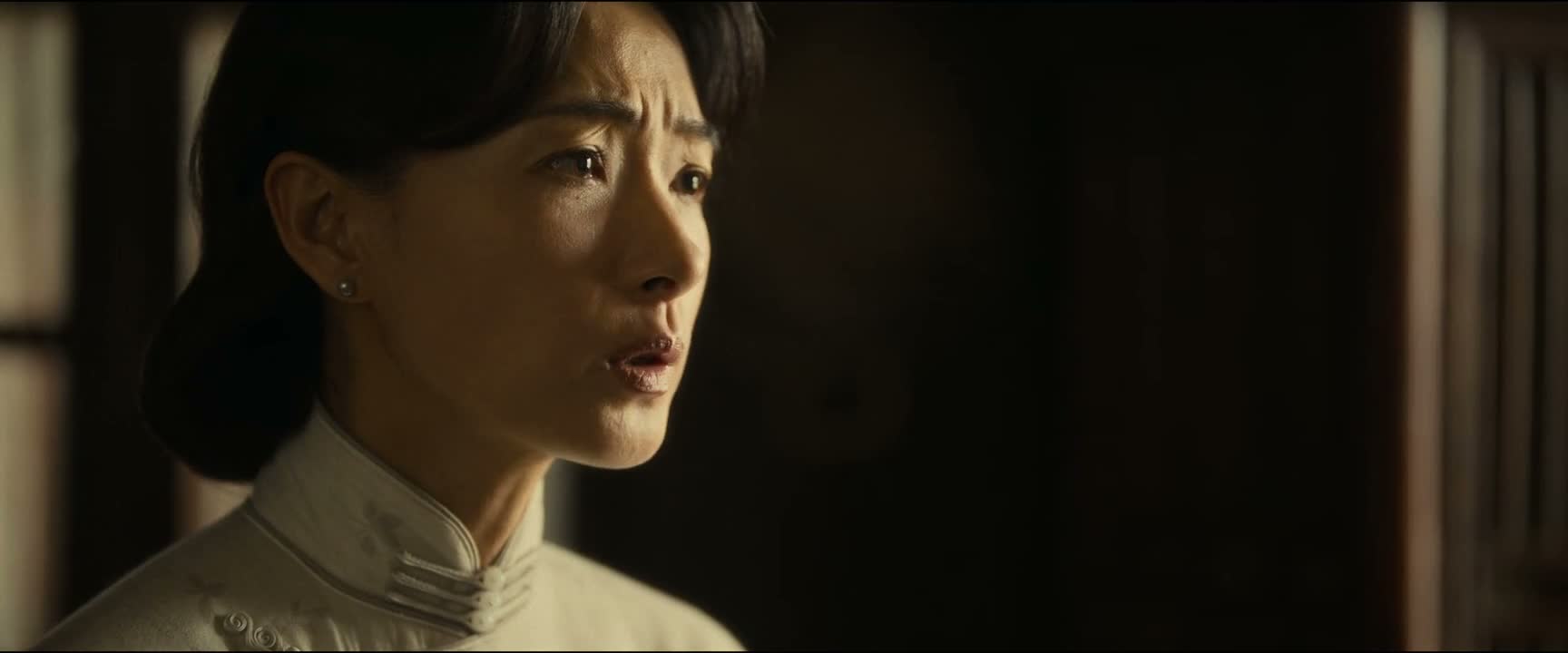
“do we have to keep making things up?”
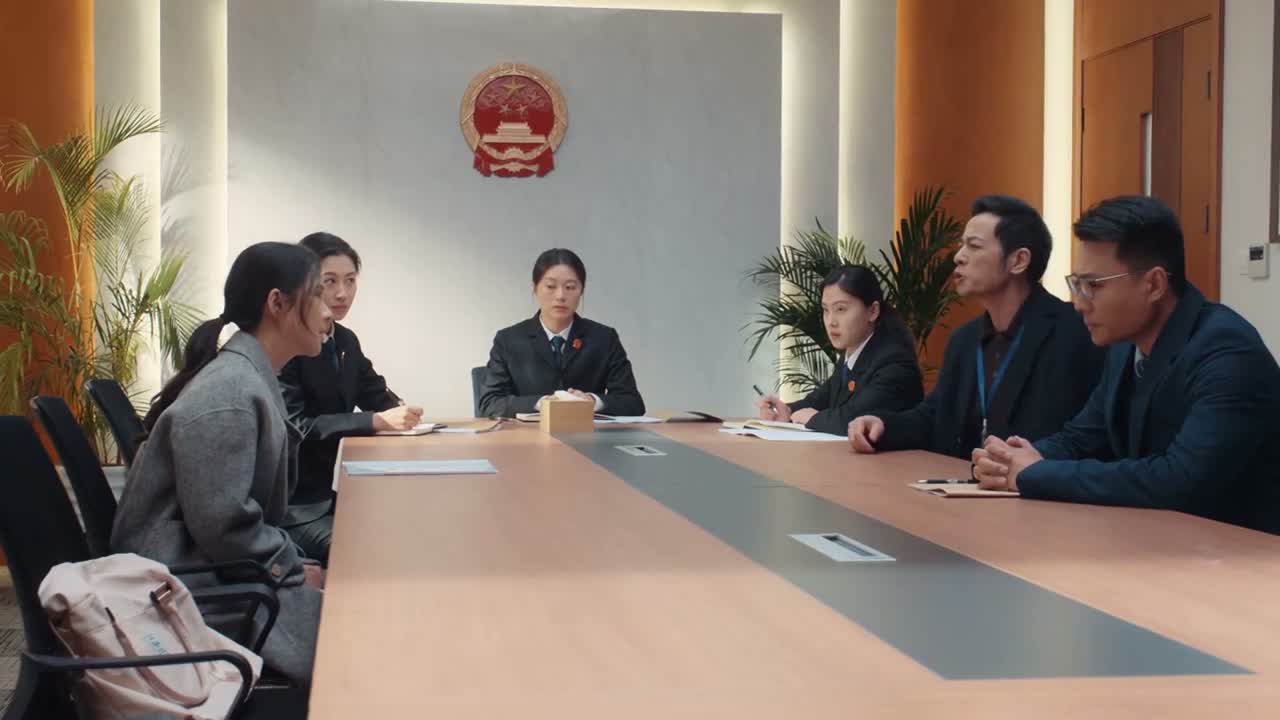
“What are you talking about?”

“Do you hear yourself? What else could his last name be?”