MC
MandarinClips Cinema Corpus
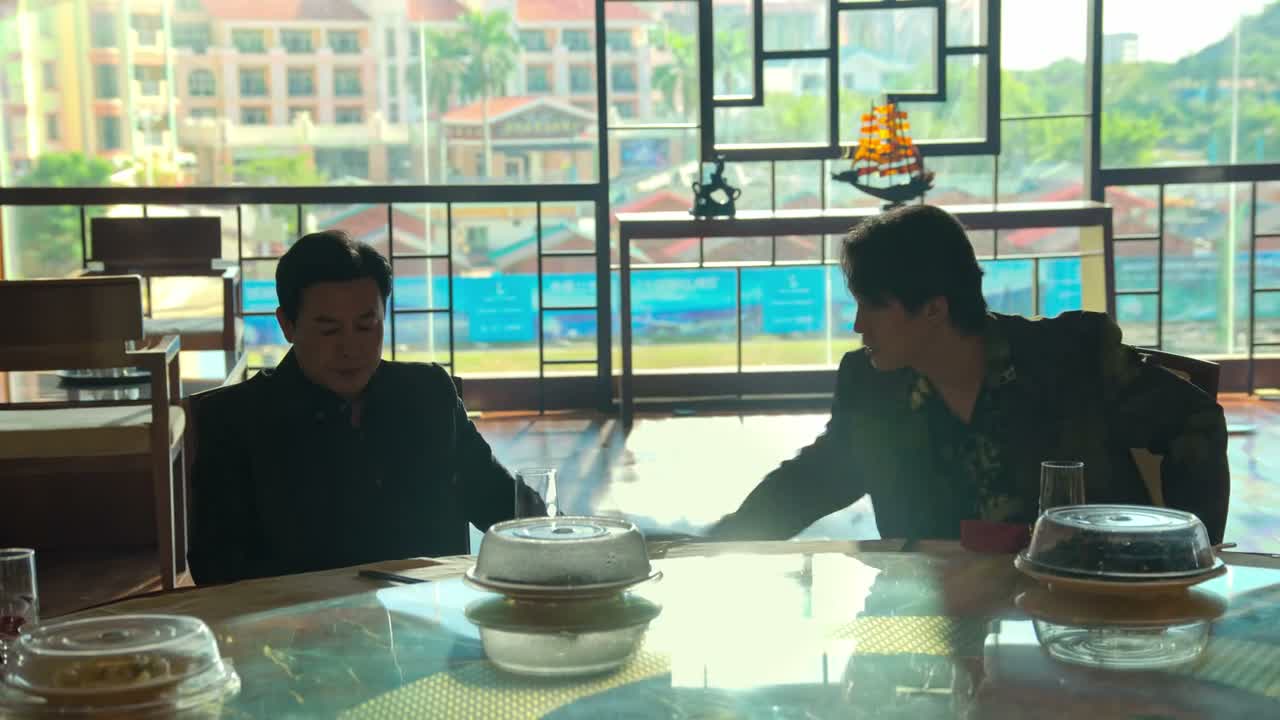
《Love Story in the 1970s》 S1·E26 (27:04) HSK 7
bié shēng qì le hái dé shì guī nǚ

别生气了 还得是闺女

“Don't be upset. Daughters are always the best.”

《Love Story in the 1970s》 S1·E26
TIMECODE: 27:04 · 1080P MASTER AUDIO

THE DIALOGUE REEL

1+1+1 SPOKEN CONTINUITY
[-1] PREVIOUS TURN hǎo bù hǎo kàn

好不好看

“Do you like it?”

bié shēng qì le hái dé shì guī nǚ CURRENT FOCUS

别生气了 还得是 闺女

“Don't be upset. Daughters are always the best.”

[+1] FOLLOW-UP TURN ā méi a nǐ zài zhè dǎo téng shén me dōng xī ne nǐ

“Mei, what are you rummaging for?”

Subtitles synced to millisecond timecode Browse Show Clips →
Scene: Family & Home
Function: COMFORTING
Tone: CONCILIATORY
Emotion: RELIEF
WHAT THEY REALLY MEAN (PRAGMATIC SUBTEXT)

Direct spoken expression in this communicative setting.

💡 Cultural Insight: Filial Affection of Daughters (Xiaomian'ao)

In Chinese culture, daughters are often fondly referred to as caring 'little quilted vests' (小棉袄), embodying attentive emotional comfort to parents.

INTENT TAGS: #pacifying #comforting #praising #soothing
🧩

LEARNING CHUNKS & PARTICLES

2 CHUNKS · 1 PARTICLES
别生气了 SPOKEN CHUNK

stop being angry / don't be mad

A very common colloquial expression used to soothe someone who is irritated or upset.

还得是 SPOKEN CHUNK

it takes ... after all / only ... can do it best

Used to express admiration or highlight that a specific person or thing truly delivers the best results.

Modal Particle「了」 (le) CHANGE OF STATE

Indicates a change of state, prompting the listener to halt their current state of anger.

🏮

VOCABULARY & EXPRESSIONS

2 EXPR · 0 GRAMMAR
CROSS-CINEMA CORPUS BOARD · PARALLEL SCENES

Parallel Spoken Cinema Scenes (语义近邻切片)

EXPLORE BY SEMANTIC SIMILARITY
《Love Story in the 1970s》 S1·E26 (27:04) · Authentic Cinema Dialogue Corpus