阿梅啊 你在这倒腾什么东西呢你
“Mei, what are you rummaging for?”
THE DIALOGUE REEL
“Don't be upset. Daughters are always the best.”
阿梅啊 你 在这 倒腾 什么东西 呢你
“Mei, what are you rummaging for?”
我 我找 找一下
“I... I'm looking for”
Direct spoken expression in this communicative setting.
Adding personal pronouns at the end of a question (like repeating '你' at the end) is a typical oral pattern among close family members indicating informal intimacy.
LEARNING CHUNKS & PARTICLES
to rummage through, move things around, or fiddle with
A very common colloquial Northern Chinese term used when someone is busily shifting, organizing, or looking through items.
Used after the address term to soften the call and catch the listener's attention warmly.
Marks an ongoing action in an open question, softening the tone of the inquiry.
VOCABULARY & EXPRESSIONS
Parallel Spoken Cinema Scenes (语义近邻切片)
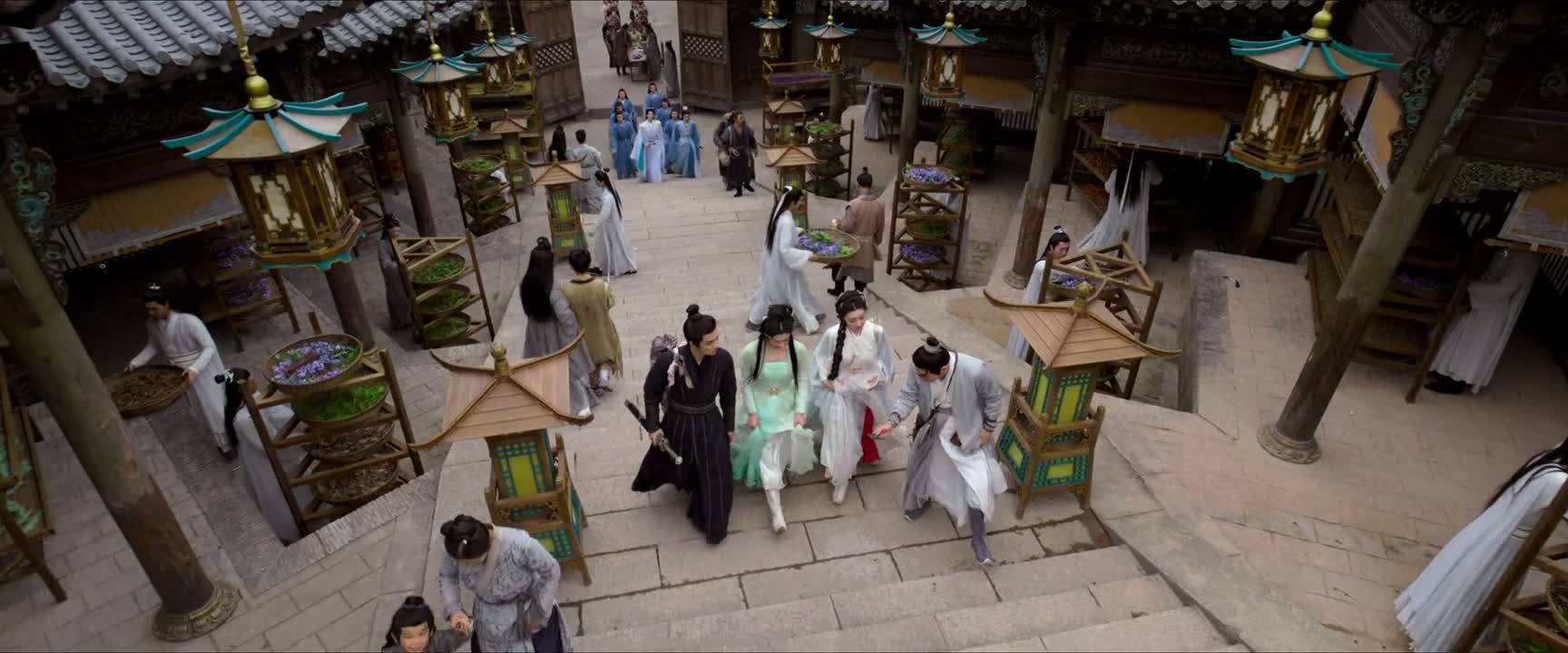
“This is what I do.”

“You are becoming more and more like my mother.”
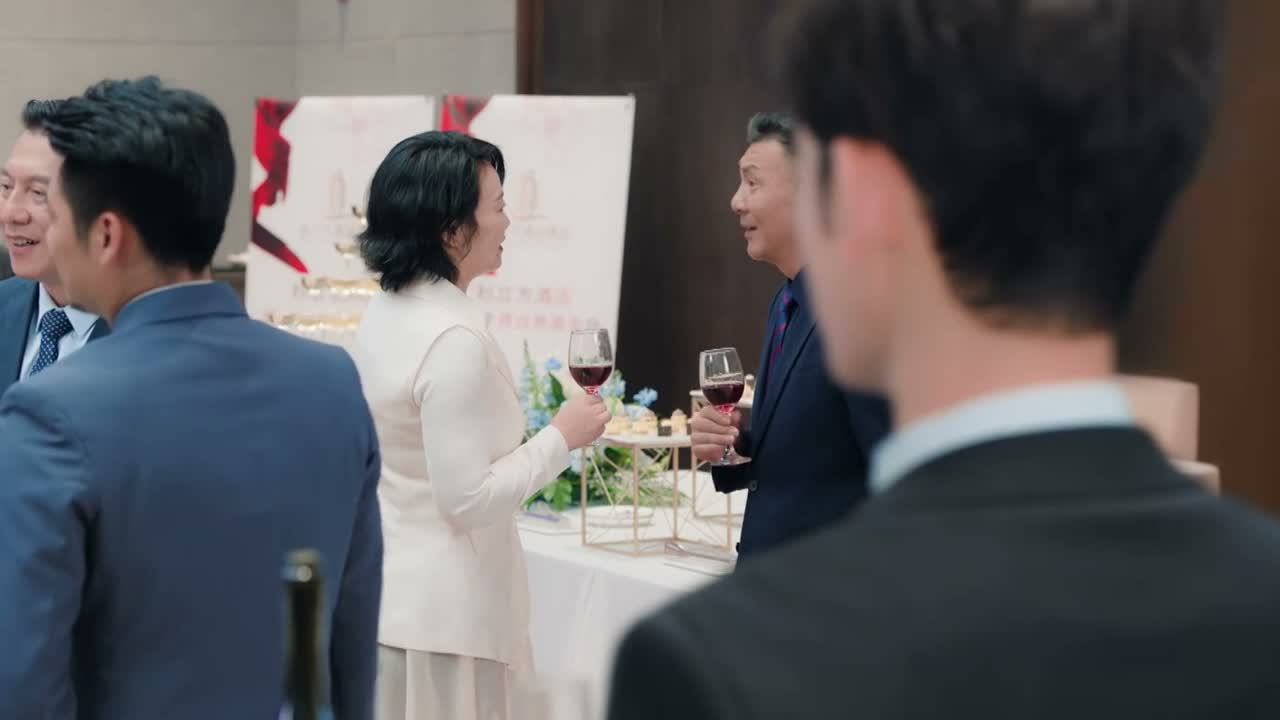
“I'm not interested.”
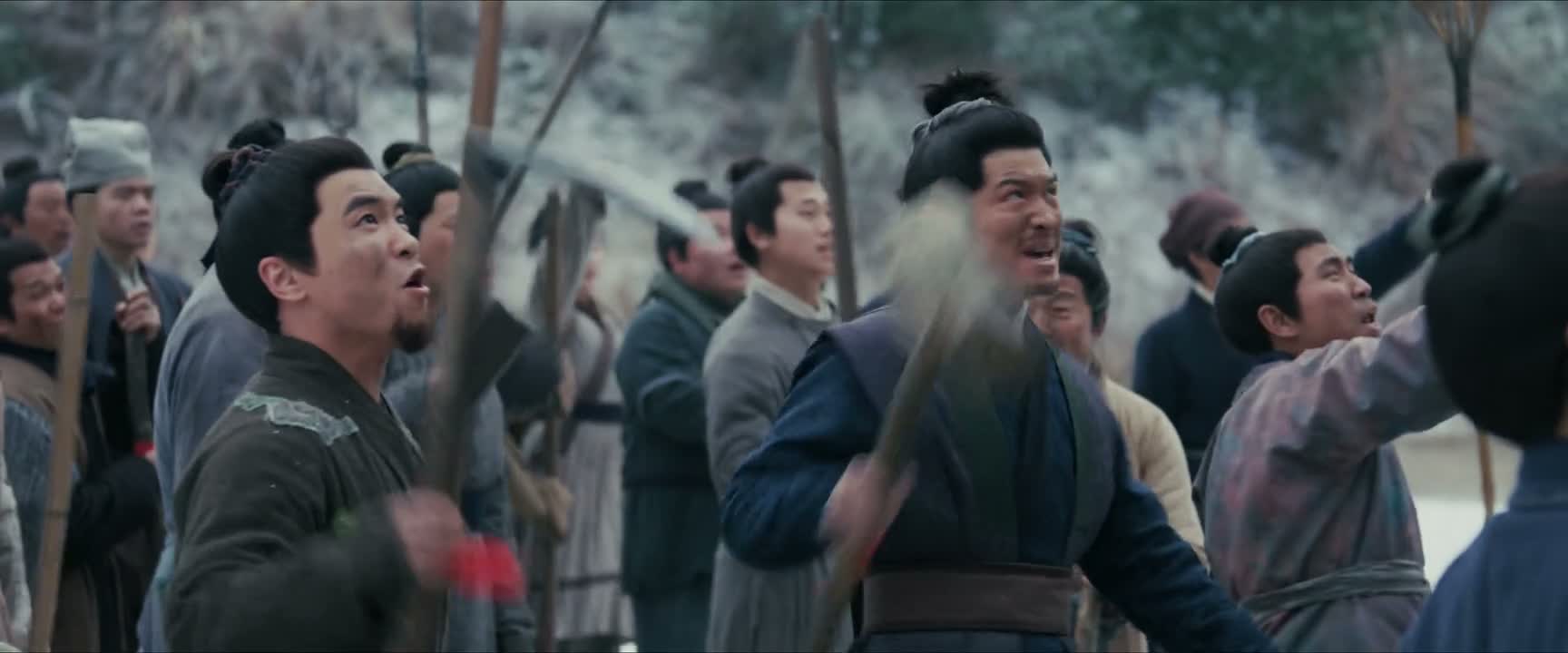
“Come on! Fire! Fire!”
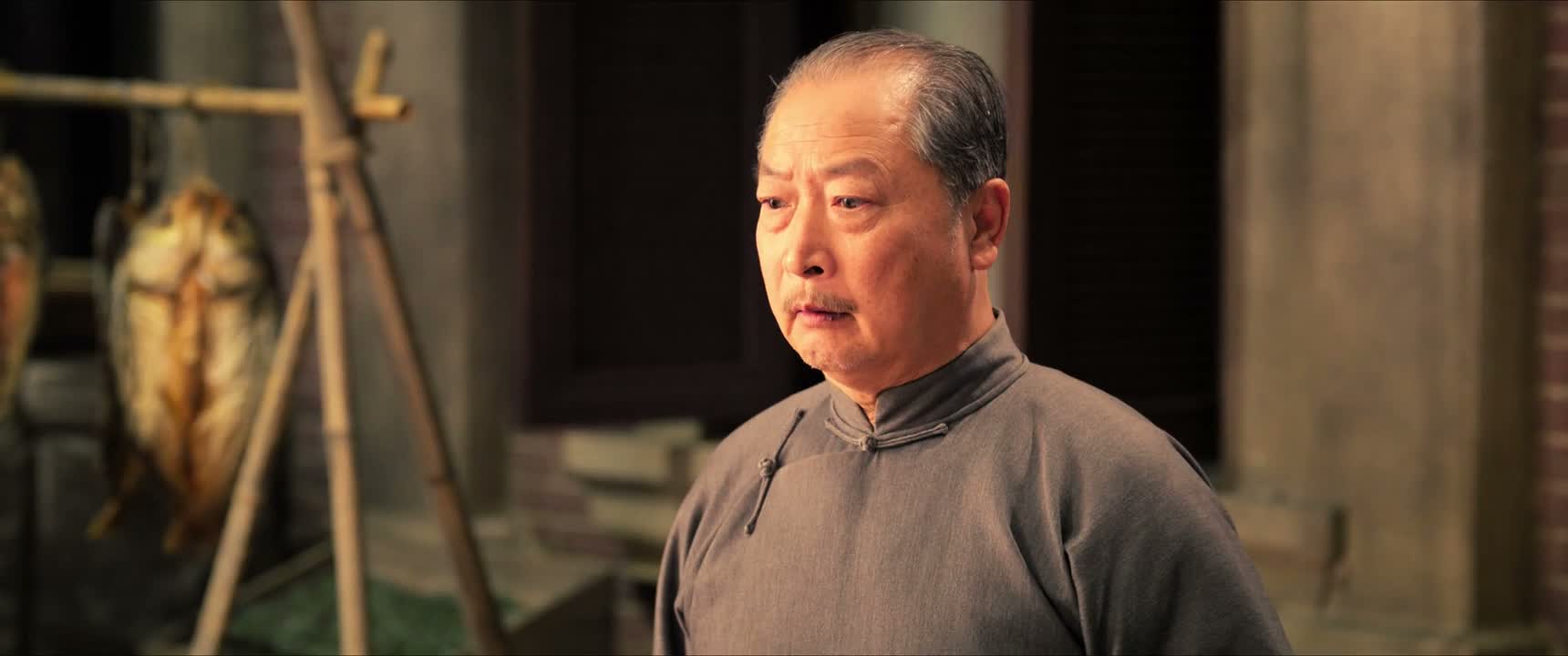
“Who are you? Why are you in my house?”

“Me? I can't think of anyone else but you.”