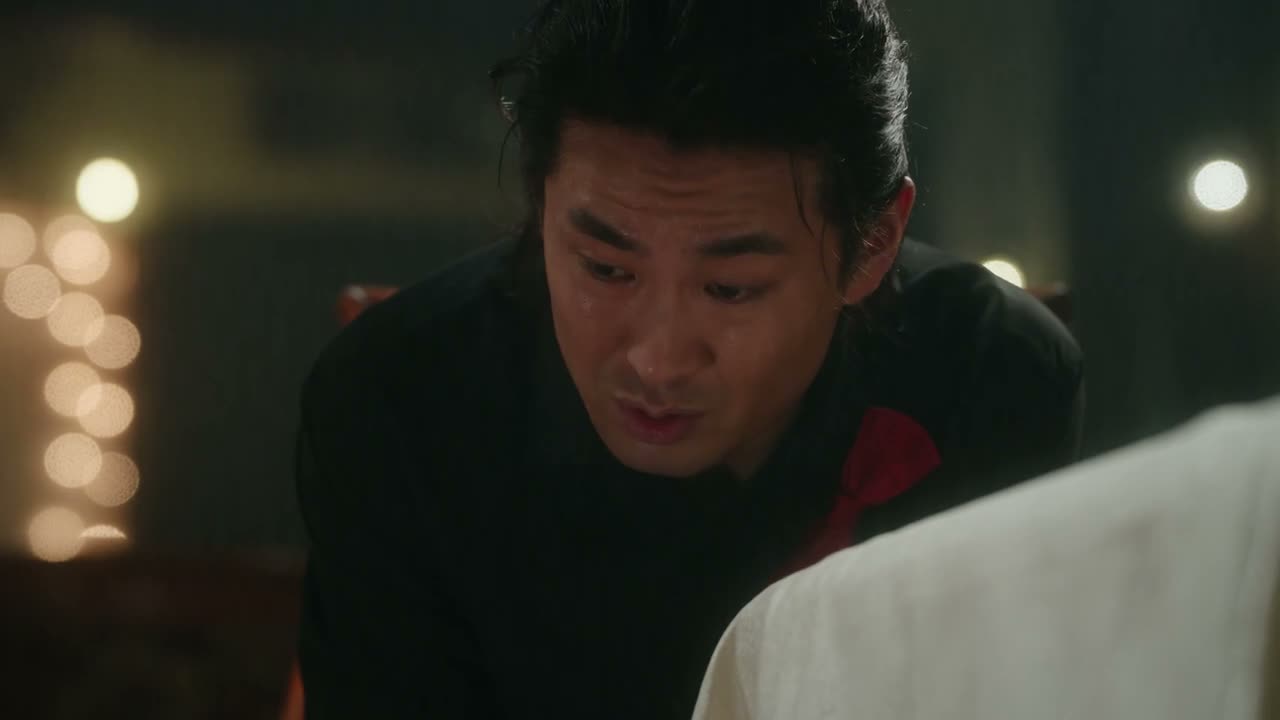
我也不是故意的 我就是太生气了
“I didn't mean to. I was just so angry.”
THE DIALOGUE REEL
我也不是 故意的 我 就是 太生气了
“I didn't mean to. I was just so angry.”
“Those traffickers said I wasn't taken away at all,”
Direct spoken expression in this communicative setting.
When justifying an error in Chinese communication, citing overwhelming emotional distress ('太生气') helps elicit sympathy and moral forgiveness from the listener.
LEARNING CHUNKS & PARTICLES
didn't do it on purpose / unintentional
The standard colloquial way to soften an accidental mistake or apologize for unintended harm.
too... / excessively...
Common grammatical construction indicating an extreme degree, often providing the explanation for a loss of composure.
Functions in '太生气了' to emphasize the heightened emotional state that resulted in the incident.
VOCABULARY & EXPRESSIONS
Parallel Spoken Cinema Scenes (语义近邻切片)

“I never meant to harm Mr. Duan.”

“This wasn't my intention.”

“I didn't do it on purpose. It's just a lounge area.”
“I really didn't mean to, Sir.”