MC
MandarinClips Cinema Corpus
《The Dream Maker》 S1·E25 (40:30) HSK 3
wǒ nǎ lǐ yǒu qián a duì ba nà ge wáng jú shuō le hòu tiān jiù dé rù zhàng

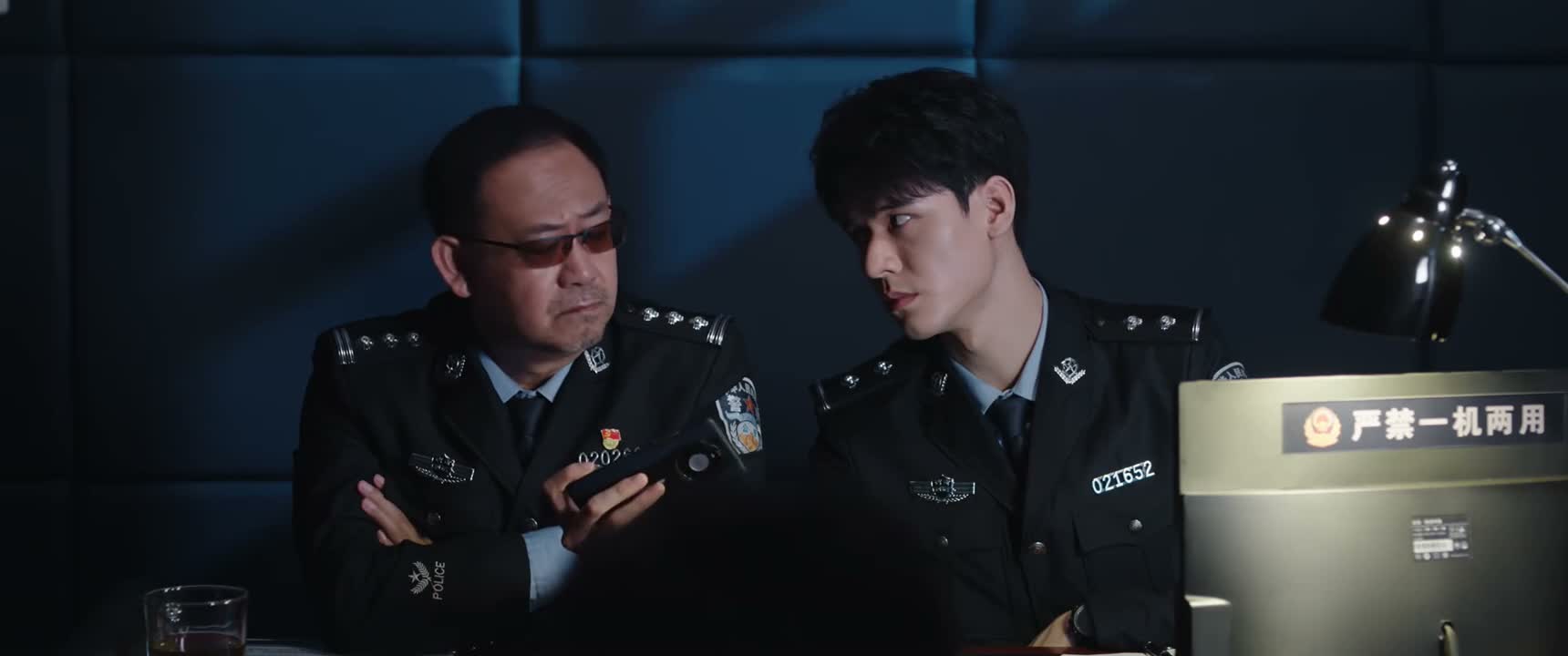
我哪里有钱啊 对吧 那个王局说了 后天就得入账

“With accounts frozen, how could I have money? Mr. Wang said the money has to be paid the day after tomorrow.”

《The Dream Maker》 S1·E25
TIMECODE: 40:30 · 1080P MASTER AUDIO

THE DIALOGUE REEL

1+1+1 SPOKEN CONTINUITY
[-1] PREVIOUS TURN lǎo tán nǐ nà ér hái yǒu qián ma wǒ zhàng dōu fēng diào le

老谭 你那儿还有钱吗 我账都封掉了

“Tan, do you have any money? With accounts frozen, how could I have money?”

wǒ nǎ lǐ yǒu qián a duì ba nà ge wáng jú shuō le hòu tiān jiù dé rù zhàng CURRENT FOCUS

我 哪里有钱 啊 对吧 那个 王局 说了 后天就得入账

“With accounts frozen, how could I have money? Mr. Wang said the money has to be paid the day after tomorrow.”

[+1] FOLLOW-UP TURN nǐ bù gěi gōng diàn jú dǎ qián

你不给供电局打钱

“If we don't pay the Power Supply Bureau, they'll cut Yuehai's power.”

Subtitles synced to millisecond timecode Browse Show Clips →
Scene: Business & Trade
Function: PLEADING HELPLESSNESS
Tone: DEFENSIVE
Emotion: ANXIETY
WHAT THEY REALLY MEAN (PRAGMATIC SUBTEXT)
“Don't look to me for help; I am broke myself and under severe pressure to pay another official.”
💡 Cultural Insight: Triangular Debt and Bureaucratic Leverage

Invoking authority figures like a bureau director ('Wang Ju') serves as an unassailable excuse to deflect borrowing requests in Chinese business interactions.

INTENT TAGS: #financial_refusal #deflection #appealing_helplessness #shifting_blame
🧩

LEARNING CHUNKS & PARTICLES

2 CHUNKS · 2 PARTICLES
哪里有钱 SPOKEN CHUNK

where would (I) get any money; I have no money at all

A rhetorical question used to strongly deny having disposable funds.

入账 SPOKEN CHUNK

to enter into the account; to be credited

Standard financial and business terminology for official accounting credits.

Modal Particle「啊」 (a) CHANGE OF STATE

Adds emotional intensity and helplessness to the rhetorical denial.

Modal Particle「吧」 (ba) CHANGE OF STATE

Appeals for consensus and confirmation from the listener through '对吧'.

🏮

VOCABULARY & EXPRESSIONS

4 EXPR · 1 GRAMMAR
CROSS-CINEMA CORPUS BOARD · PARALLEL SCENES

Parallel Spoken Cinema Scenes (语义近邻切片)

EXPLORE BY SEMANTIC SIMILARITY
我哪有钱哪
《女神蒙上眼》
95% Match
我哪有钱哪
wǒ nǎ yǒu qián nǎ

“Where would I get the money?”

你在宫中放贷 哪儿来的钱?
《唐宫奇案之青雾风鸣》
88% Match
你在宫中放贷 哪儿来的钱?
nǐ zài gōng zhōng fàng dài nǎ ér lái de qián ?

“Where did you get the money to lend out in the palace?”

在哪儿赢的钱 知道吗
《风过留痕》
88% Match
在哪儿赢的钱 知道吗
zài nǎ ér yíng de qián zhī dào ma

“Do you know where he won the money?”

你手里的钱哪儿来的 你要进去拿什么
《南部档案》
88% Match
你手里的钱哪儿来的 你要进去拿什么
nǐ shǒu lǐ de qián nǎ ér lái de nǐ yào jìn qù ná shén me

“Where did those banknotes come from? What are you trying to get inside there?”

这么多钱 哪儿来的
《逐玉》
88% Match
这么多钱 哪儿来的
zhè me duō qián nǎ ér lái de

“Where did you get so much money?”

哪儿来的钱 今天刚发的
《主角》
88% Match
哪儿来的钱 今天刚发的
nǎ ér lái de qián jīn tiān gāng fā de

“Where did you get the money? I just got paid today.”

说怎么一块儿富裕 说这个夜校办得好啊
《小城大事》
88% Match
说怎么一块儿富裕 说这个夜校办得好啊
shuō zěn me yī kuài ér fù yù shuō zhè ge yè xiào bàn dé hǎo a

“and how to prosper together. They praised how well the night school ran.”
我当时哪儿来的钱啊
《风过留痕》
88% Match
我当时哪儿来的钱啊
wǒ dāng shí nǎ ér lái de qián a

“I didn't have any money at that moment.”

你哪儿来那么多钱啊 刚挣的啊 你随便拿
《轧戏》
88% Match
你哪儿来那么多钱啊 刚挣的啊 你随便拿
nǐ nǎ ér lái nà me duō qián a gāng zhēng de a nǐ suí biàn ná

“Where did you get so much money? Just earned it. Take as much as you want.”

你哪儿来的钱呀
《岁月有情时》
88% Match
你哪儿来的钱呀
nǐ nǎ ér lái de qián ya

“Where did you get the money?”

《The Dream Maker》 S1·E25 (40:30) · Authentic Cinema Dialogue Corpus