合着是 你在背后使坏呢 这怎么能叫使坏呢
“It turns out you were sabotaging me behind my back. How can you call that sabotage?”
THE DIALOGUE REEL
我还向你诉苦
“I even complained to you about it.”
合着是 你在 背后使坏 呢 这 怎么能叫 使坏呢
“It turns out you were sabotaging me behind my back. How can you call that sabotage?”
这不是使坏是什么呀
“If it's not sabotage, what is it?”
“You pretended to be my friend while stabbing me in the back, and now you dare to pretend you're innocent!”
Chinese interpersonal norms heavily condemn 'making trouble behind someone's back' (在背后使坏), especially after receiving genuine vulnerability or venting (诉苦).
LEARNING CHUNKS & PARTICLES
so it turns out; all along
A colloquial Beijing-flavor conversational marker used when suddenly realizing an unexpected truth or being enlightened.
to play underhanded tricks; to sabotage
Common spoken idiom used to criticize someone for deliberately creating trouble or acting maliciously behind one's back.
Emphasizes the ongoing nature of the suspected malicious action and reinforces the accusatory tone.
VOCABULARY & EXPRESSIONS
Parallel Spoken Cinema Scenes (语义近邻切片)
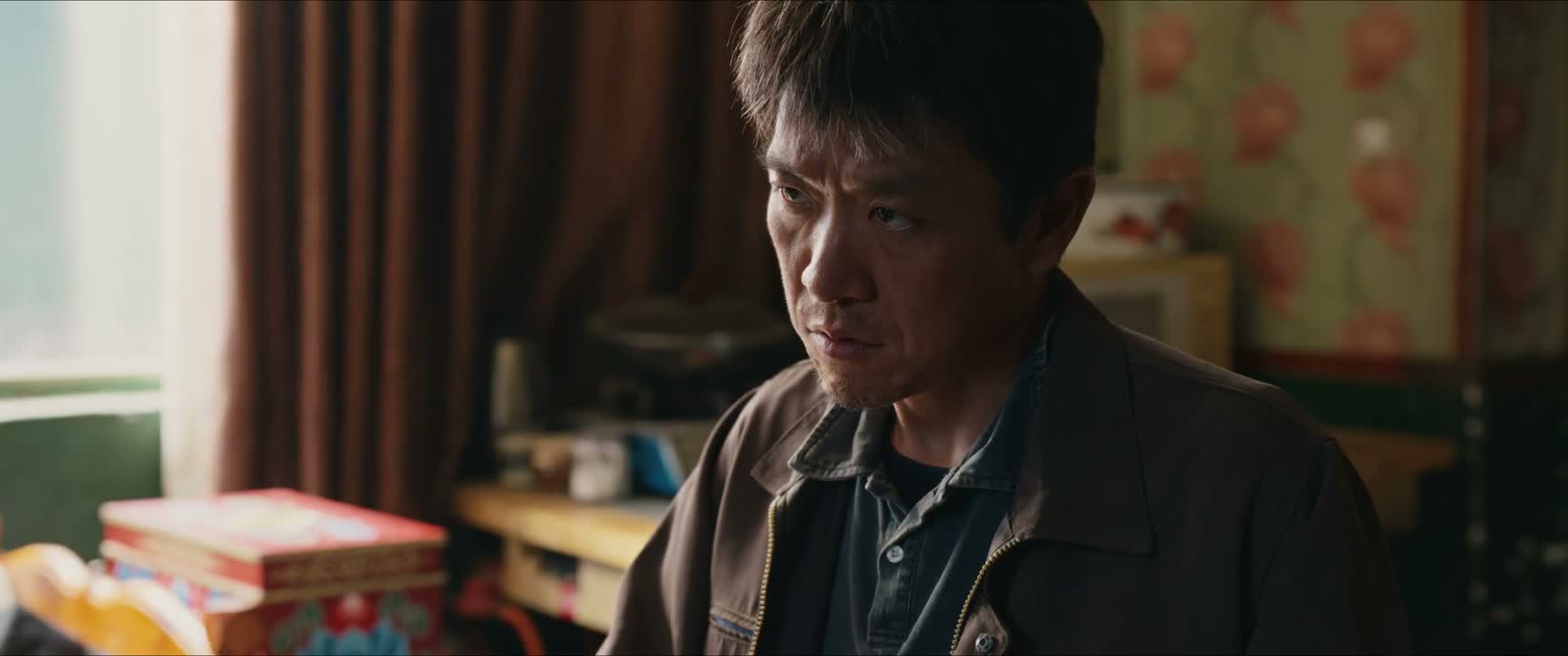
“So, you're here to interrogate us.”

“So you only wrote to me.”

“So you're already leaving yourself a way out, huh?”

“So you did notice. And I haven't even touched on”

“So you two got together back on that day when we were playing the murder mystery game?”

“If you weren't scheming behind my back,”