救我女儿的那位老乡 怎么样了
“The man who saved my daughter, how is he?”
THE DIALOGUE REEL
咱们神仙顶风水好 大伙儿说 是不是 是 是的
“what great luck Shenxian Peak has. Don't you all agree? Yes! You're right!”
救我 女儿的那位老乡 怎么样了
“The man who saved my daughter, how is he?”
“His wounds have been treated. But it's a pretty serious injury.”
Direct spoken expression in this communicative setting.
Addressing a stranger as 'laoxiang' conveys warmth and solidarity, while inquiring about a savior highlights the profound cultural importance of moral debt and gratitude (恩情).
LEARNING CHUNKS & PARTICLES
saved my daughter
A straightforward relative clause used as an attributive modifier before the noun phrase.
how is it going; what is the status now
An essential spoken expression used to inquire about someone's condition, recovery, or the outcome of an event.
Denotes an update or current state of affairs regarding the person's condition.
VOCABULARY & EXPRESSIONS
Parallel Spoken Cinema Scenes (语义近邻切片)
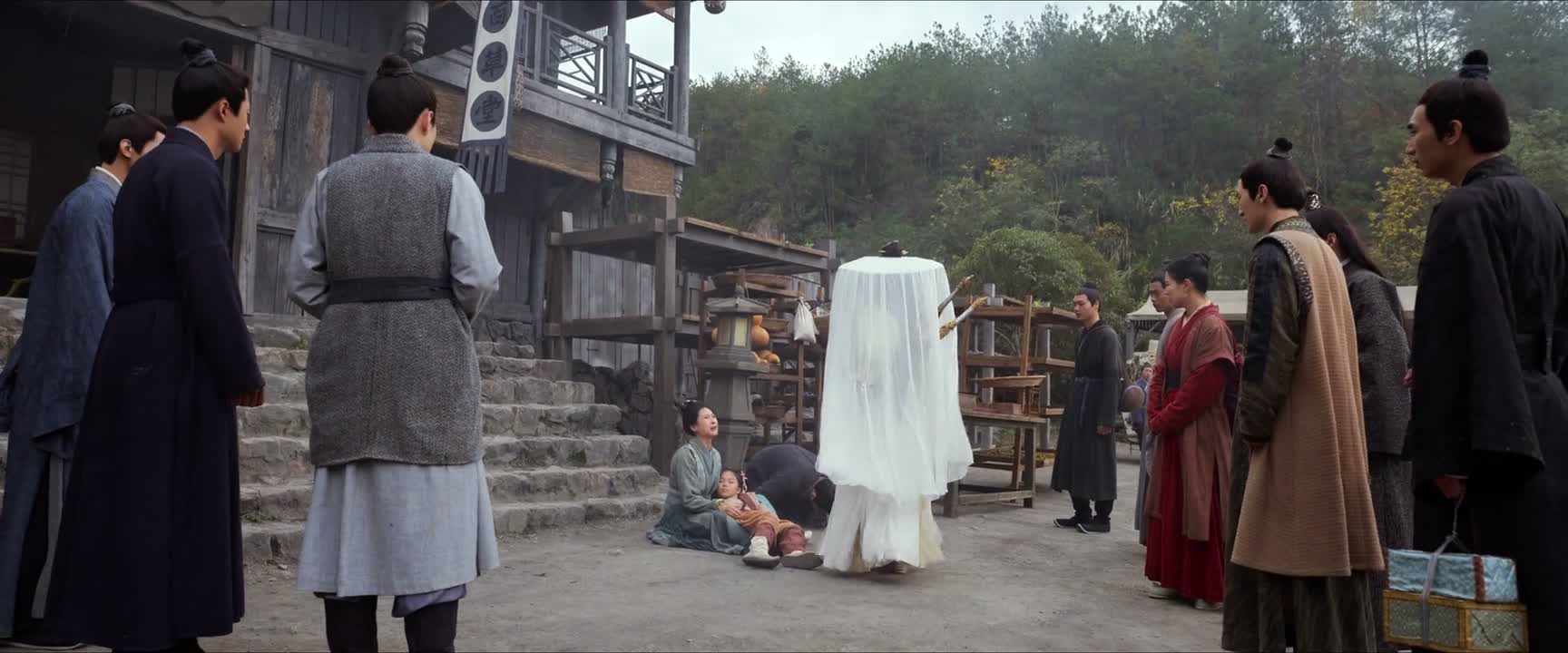
“Please save my daughter.”

“Help me! Once Daddy is dead, you'll be fine.”
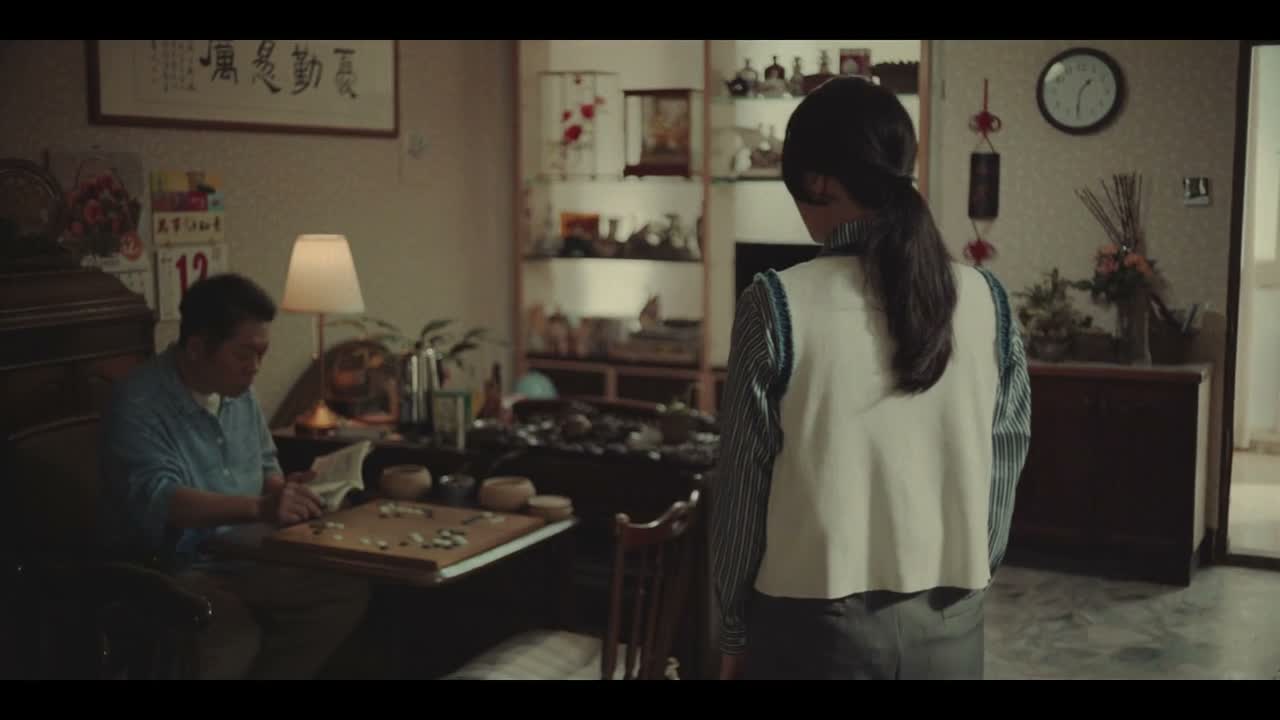
“Your daughter's hopeless.”

“Please save him. Hurry. No need.”

“If he had been able to save your daughter, he would've done everything he could. Shut up!”

“Save my son.”