你是怎么对我的
“How did you treat me?”
THE DIALOGUE REEL
你是 怎么对我的
“How did you treat me?”
“Look at how horribly you treated me after everything I did for you.”
In Chinese familial relationships, exploiting maternal devotion or familial duty crosses a profound moral boundary, provoking intense emotional backlash when brought up.
LEARNING CHUNKS & PARTICLES
how [someone] treated me
A common rhetorical pattern used in arguments to bring up someone's past mistreatment or ungratefulness.
Functions as part of the 'shi...de' construction to emphasize the manner or nature of the past action.
VOCABULARY & EXPRESSIONS
Parallel Spoken Cinema Scenes (语义近邻切片)
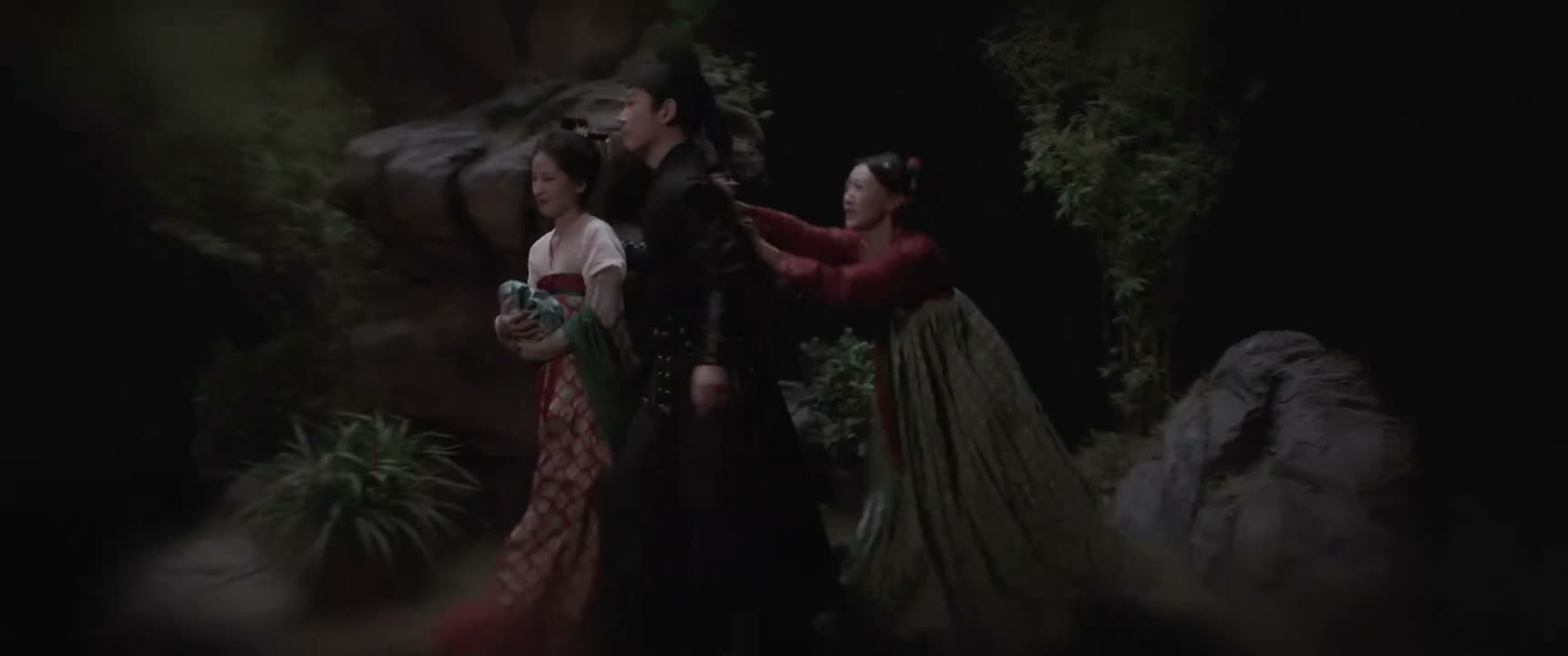
“How can you do this to me?”

“Why do you guys treat me like this?”

“♪ Blood-stained hand, sword drawn ♪ Why did you treat me like this?”

“Damn you, Chen Yanyun!”

“Why did you do that to me?”
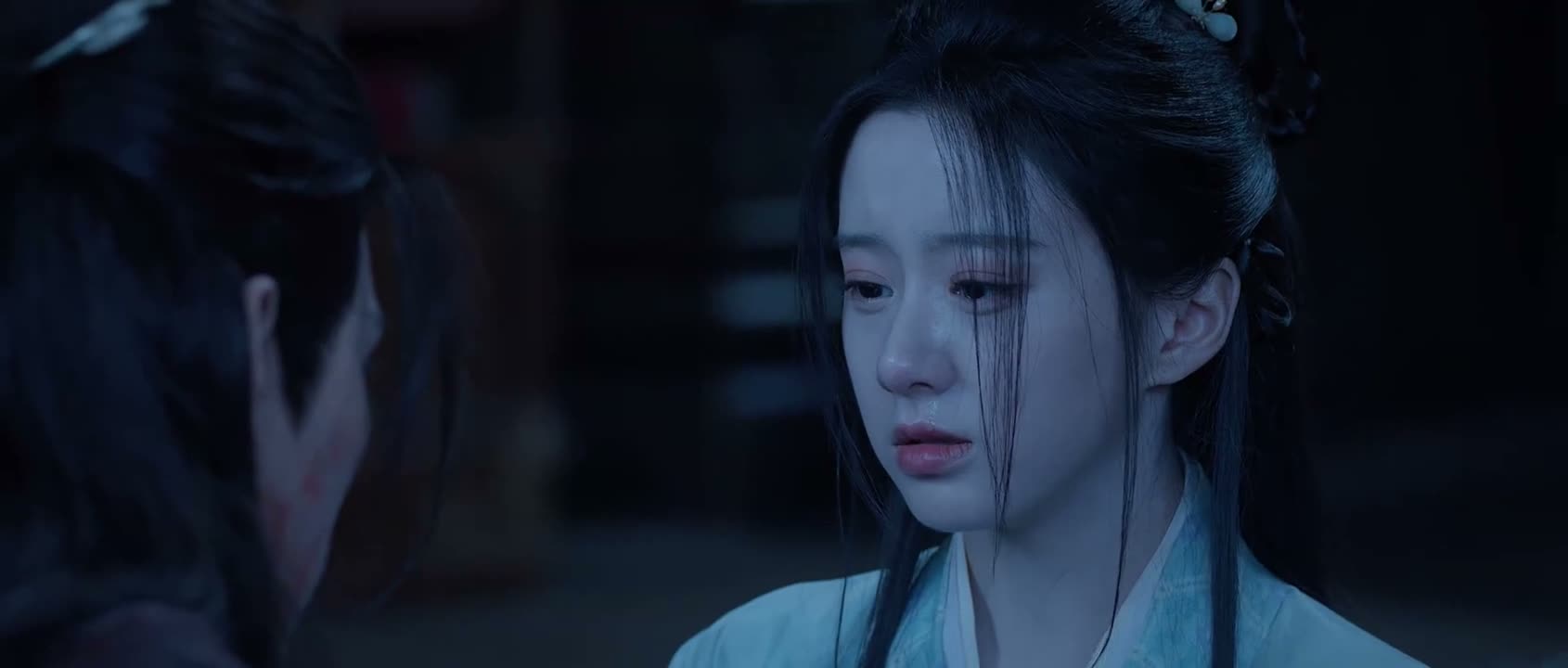
“What do you expect me to do?”

“How could you do this to me?”