MC
MandarinClips Cinema Corpus
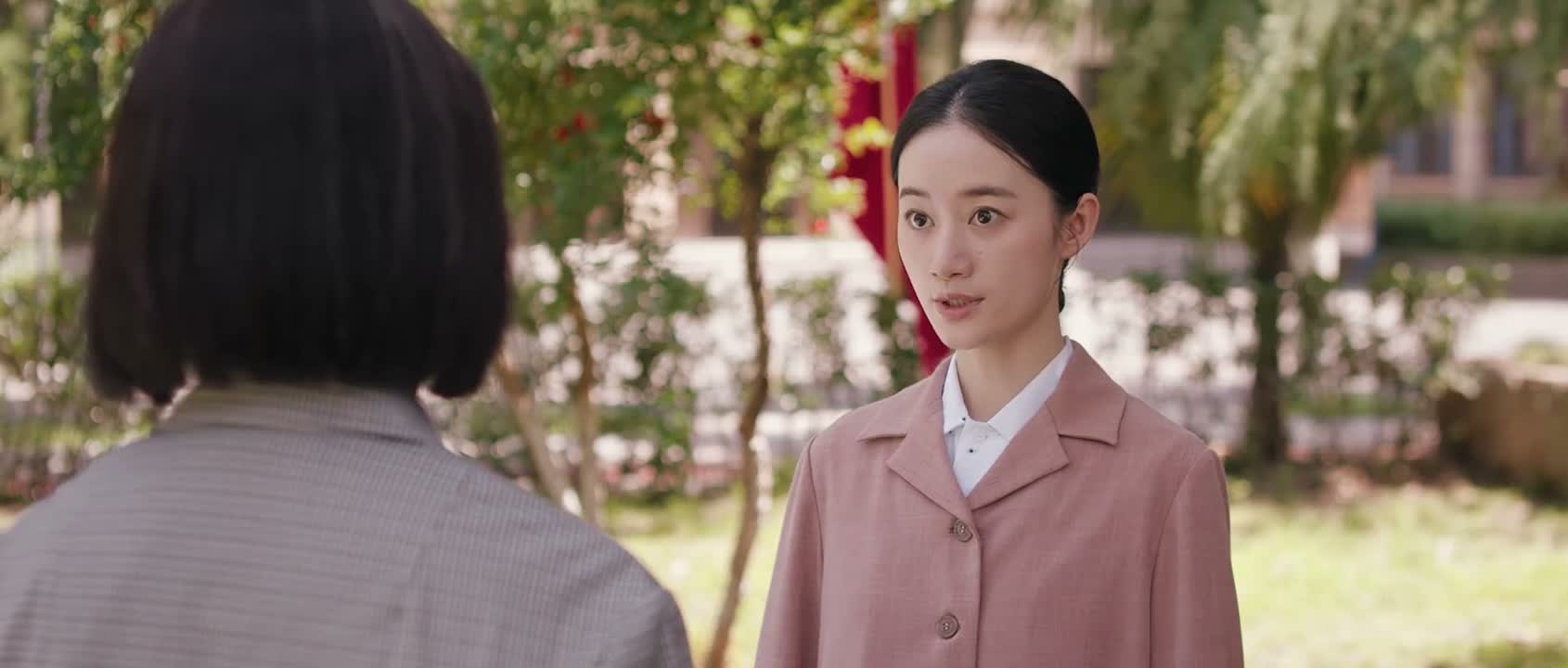
《Vanished Name》 S1·E15 (24:57) HSK 5
nǐ yòu bú shì wǒ mā nǐ píng shá guǎn wǒ ya

你又不是我妈 你凭啥管我呀

“You're not my mom. Don't tell me what to do.”

《Vanished Name》 S1·E15
TIMECODE: 24:57 · 1080P MASTER AUDIO

THE DIALOGUE REEL

1+1+1 SPOKEN CONTINUITY
[-1] PREVIOUS TURN tā bù xū yào nǐ zhè yàng de péng yǒu

“She doesn't need a friend like you.”

nǐ yòu bú shì wǒ mā nǐ píng shá guǎn wǒ ya CURRENT FOCUS

你 又不是我 妈 你凭啥 管我 呀

“You're not my mom. Don't tell me what to do.”

[+1] FOLLOW-UP TURN bǎi shù xū yào shén me yàng de péng yǒu nǐ shuō le bù suàn tā shuō le cái suàn

“You can't decide what kind of friends she needs. It's her call.”

Subtitles synced to millisecond timecode Browse Show Clips →
Scene: Crisis & Conflict
Function: CHALLENGING AUTHORITY
Tone: DEFIANT
Emotion: ANGER
WHAT THEY REALLY MEAN (PRAGMATIC SUBTEXT)

Direct spoken expression in this communicative setting.

💡 Cultural Insight: Parental Authority and Boundary Crossing

In Chinese culture, only parents or close senior family members traditionally hold the prerogative to discipline; claiming 'you are not my mother' is a decisive rejection of illegitimate control.

INTENT TAGS: #boundary_setting #defiance #rejection #confrontation
🧩

LEARNING CHUNKS & PARTICLES

2 CHUNKS · 1 PARTICLES
凭啥 SPOKEN CHUNK

on what grounds / what right do you have to

A colloquial northern phrase used to sharply challenge someone's authority or right to dictate actions.

管我 SPOKEN CHUNK

meddle with me / control me

Commonly used when rejecting interference from peers or family members.

Modal Particle「呀」 (ya) CHANGE OF STATE

Softens the phonetic harshness while reinforcing emotional indignation and rhetorical defiance.
🏮

VOCABULARY & EXPRESSIONS

3 EXPR · 1 GRAMMAR
CROSS-CINEMA CORPUS BOARD · PARALLEL SCENES

Parallel Spoken Cinema Scenes (语义近邻切片)

EXPLORE BY SEMANTIC SIMILARITY
《Vanished Name》 S1·E15 (24:57) · Authentic Cinema Dialogue Corpus