又不是我
yòu bú shì wǒCommon spoken expression used by native Chinese speakers in daily life.
[Scene: 其他场景]
(8 clips) 00:03
(你们两个真的 不用对我这个样子) ── Previous context
“You are not my own brothers. Actually, there is no”
 00:02
 00:02
 00:03
 00:02
 00:02
 00:03
(不是你非 你非得这样做吗) ── Previous context
“Do you really have to push me over the edge? I didn't tell you to plagiarize.”
 00:03
(这钱是我的 我凭什么不能要) ── Previous context
“Why are you criticizing me? I'm your mother, and he's not my son.”
[Scene: 家庭日常]
(5 clips) 00:03
(满大街都是甜品店 你们两个真的) ── Previous context
“do anything for me. You're not my real brothers!”
 00:02
 00:02
 00:02
 00:03
(姐 你上我床上休息会儿吧) ── Previous context
“That's your bed, not mine. Stop playing the victim.”
[Scene: 社交聚会]
(5 clips) 00:02
 00:02
 00:03
(我也不化了) ── Previous context
“It's your wedding, not mine. Just being here is enough.”
 00:02
 00:03
(他怎么敢让你一个人独自入京 师兄又胡言乱语) ── Previous context
“Lord Yan isn't my bodyguard. What would it mean if he followed me everywhere?”
[Scene: 警匪刑侦]
(4 clips) 00:03
(到时候你又倒霉) ── Previous context
“I'm not investigating it. You are. I'm just hanging out here.”
 00:03
(我们有什么麻烦 毒贩被抓捕的时候死了 突发疾病) ── Previous context
“What trouble are we in? It's not our fault. Why are you glaring?”
 00:03
 00:02
[Scene: 其他场景]
(3 clips)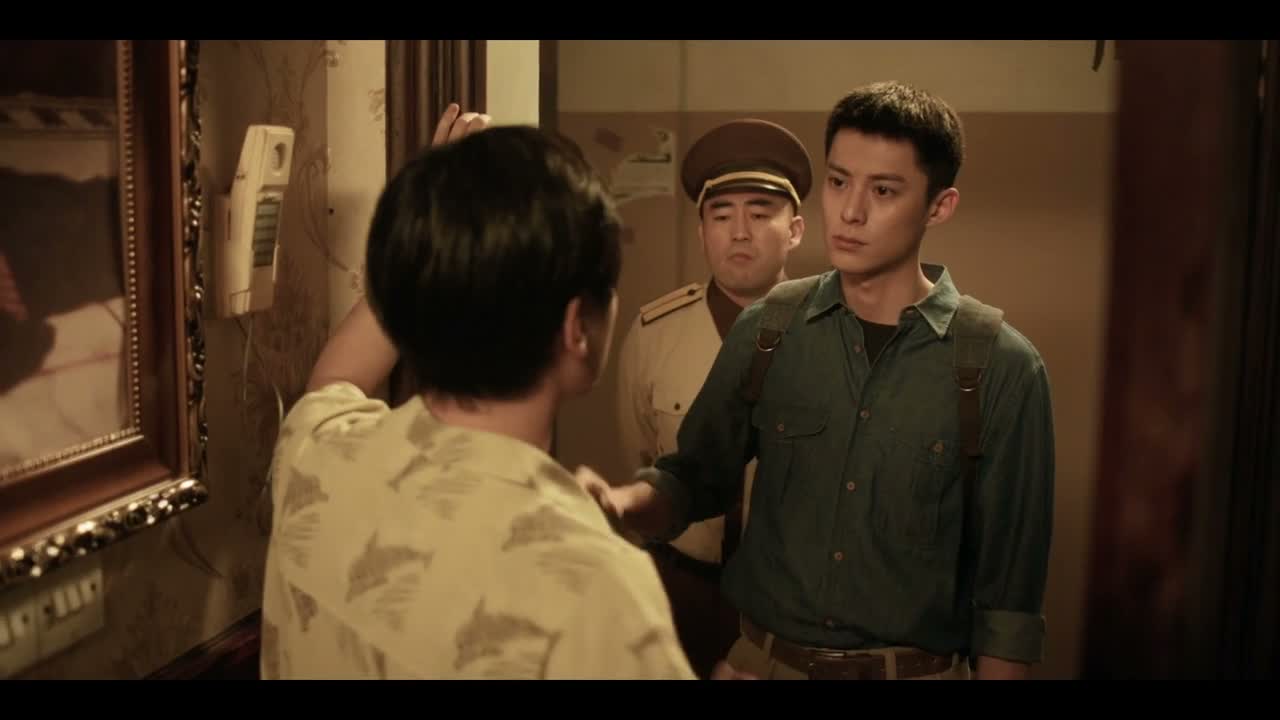 00:02
 00:02
 00:03
(这件女孩穿的 水灵的 男孩不能穿裙子) ── Previous context
“Put it back. I'm not wearing it. It's for you.”
📌 一个人
→Nuance: 口语同义表达,意图完全一致
📌 跑什么
→Nuance: 前句核心意图皆为撇清罪责
📌 又不是没有
→Nuance: 句式意图相同,反问拒绝管教
📌 管我干吗
→Nuance: 句式意图相同,反问拒绝管教
📌 真的不是
→Nuance: 同义推脱否认责任,可替换
📌 又不是
→Nuance: 核心交际意图完全一致可互换
📌 可不是
→Nuance: 用俗语强调非个人轻率决定
📌 可不是
→Nuance: 表达非自己个人能轻易决定