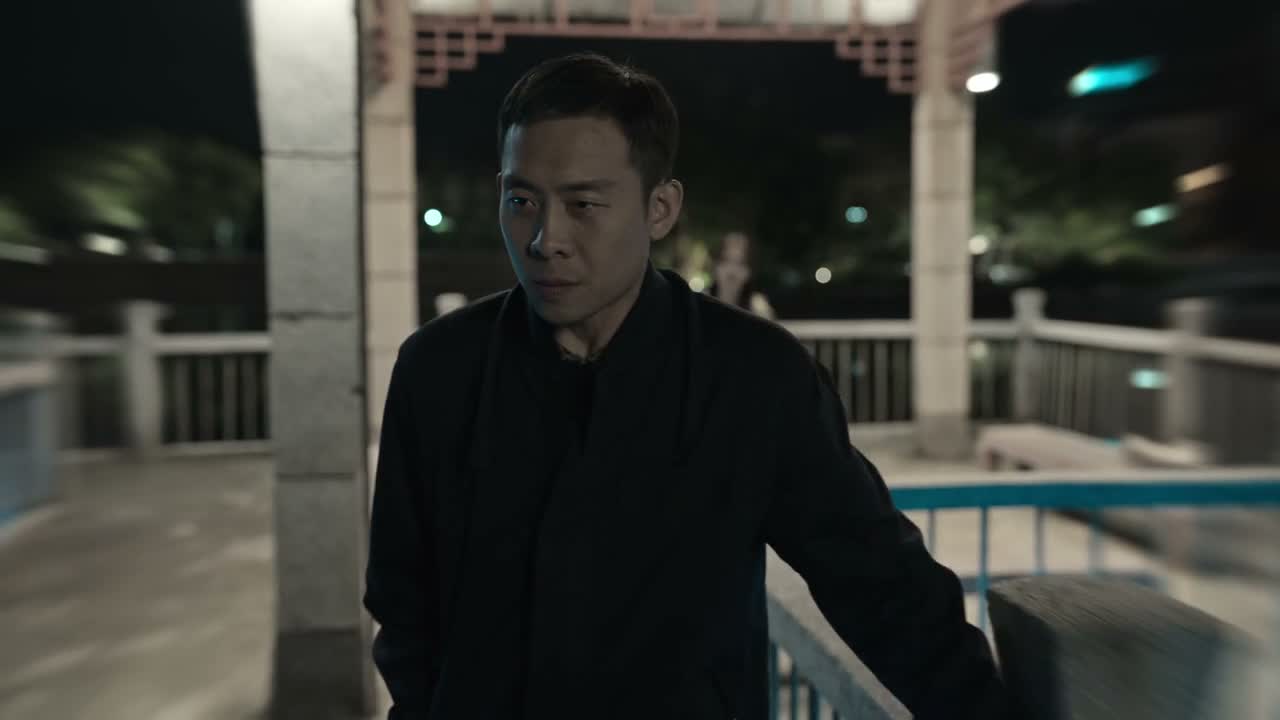
从来都没有我的位置
“there was never a place for me.”
THE DIALOGUE REEL
天空里…
“In the sky,”
从来都没有 我的位置
“there was never a place for me.”
你的位置
“Your place”
“I have always felt completely isolated and unneeded by anyone.”
In Chinese social psychology, having a defined 'weizhi' (place/position) signifies recognition, status, and emotional belonging within a relational collective.
LEARNING CHUNKS & PARTICLES
always; all along; never (when paired with negation)
Used to emphasize an unbroken continuity of a condition from the past up to the present moment.
there is no place for me
A figurative expression denoting emotional exclusion or lack of belonging in a group or someone's life.
VOCABULARY & EXPRESSIONS
Parallel Spoken Cinema Scenes (语义近邻切片)

“Never!”

“And I never once thought about”

“You never truly loved me.”

“I never thought about”
“I've never loved you.”

“I've never loved you.”