MC
MandarinClips Cinema Corpus
《The Heir》 S1·E3 (10:10) HSK 4
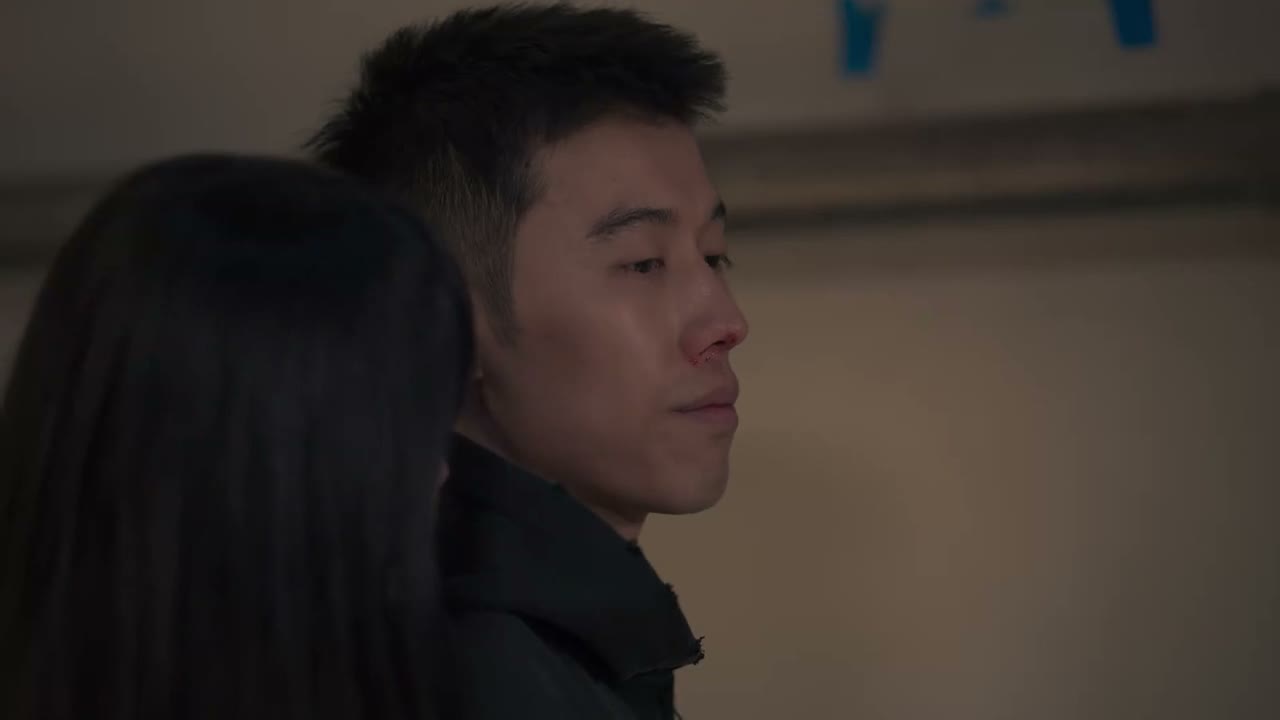
nǐ bié shēng wǒ de qì nǐ xiāng xìn wǒ zhēn niáng

你别生我的气 你相信我 祯娘

“Don't be mad at me. You have to believe me, Zhen.”

《The Heir》 S1·E3
TIMECODE: 10:10 · 1080P MASTER AUDIO

THE DIALOGUE REEL

1+1+1 SPOKEN CONTINUITY
[-1] PREVIOUS TURN cǐ fān yě shì wǒ yī shí xīn jí cái shuō chū zhè xiē hú tú huà

“This time, I was just anxious, so I spoke nonsense.”

nǐ bié shēng wǒ de qì nǐ xiāng xìn wǒ zhēn niáng CURRENT FOCUS

你 别生我的气 你 相信我 祯娘

“Don't be mad at me. You have to believe me, Zhen.”

[+1] FOLLOW-UP TURN wǒ zì rán shì xìn nǐ de ruò shì nà bǐ dìng dān zhēn de yào péi cháng

我自然是信你的 若是那笔订单真的要赔偿

“Of course, I believe you. If we truly end up having to pay damages for that order,”

Subtitles synced to millisecond timecode Browse Show Clips →
Scene: Family & Home
Function: PLEADING FOR FORGIVENESS
Tone: PLEADING
Emotion: ANXIETY
WHAT THEY REALLY MEAN (PRAGMATIC SUBTEXT)

Direct spoken expression in this communicative setting.

💡 Cultural Insight: Intimate Forms of Address (Niang)

Adding '娘' (Niang) to a female given name was a traditional, intimate, and affectionate form of address used by spouses or close kin in pre-modern China.

INTENT TAGS: #apology #pleading #reassurance #placating
🧩

LEARNING CHUNKS & PARTICLES

2 CHUNKS · 0 PARTICLES
别生我的气 SPOKEN CHUNK

don't be mad at me

Standard conversational plea used to soften someone's anger and ask for emotional reconciliation.

你相信我 SPOKEN CHUNK

trust me / believe me

An earnest appeal for trust, frequently paired with intimate apologies or promises.
🏮

VOCABULARY & EXPRESSIONS

2 EXPR · 0 GRAMMAR
CROSS-CINEMA CORPUS BOARD · PARALLEL SCENES

Parallel Spoken Cinema Scenes (语义近邻切片)

EXPLORE BY SEMANTIC SIMILARITY
《The Heir》 S1·E3 (10:10) · Authentic Cinema Dialogue Corpus