MC
MandarinClips Cinema Corpus
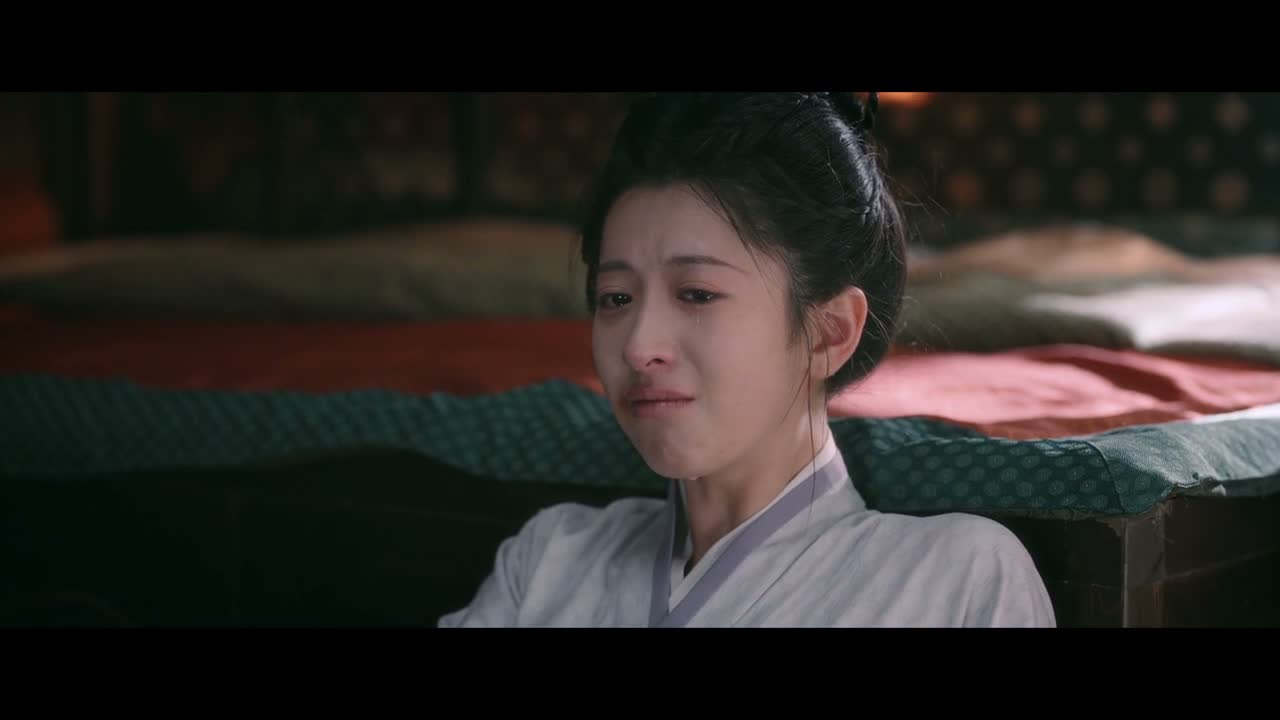
《The Heir》 S1·E3 (28:21) HSK 7
nǐ zěn me néng zuò zhè me chǔn de shì a nǐ zhī bù zhī dào

你怎么能做这么蠢的事啊 你知不知道

“How could you do such a stupid thing? Don't you know”

《The Heir》 S1·E3
TIMECODE: 28:21 · 1080P MASTER AUDIO

THE DIALOGUE REEL

1+1+1 SPOKEN CONTINUITY
[-1] PREVIOUS TURN nǐ zhè nǐ zhè shǎ hái zi nǐ zěn me

“You... you foolish child! How could you...”

nǐ zěn me néng zuò zhè me chǔn de shì a nǐ zhī bù zhī dào CURRENT FOCUS

你 怎么能 做这么蠢的事啊 你知不知道

“How could you do such a stupid thing? Don't you know”

[+1] FOLLOW-UP TURN nǐ zhè shì bǎ zhēn niáng gěi hài le ya

“you've ruined Zhen!”

Subtitles synced to millisecond timecode Browse Show Clips →
Scene: Crisis & Conflict
Function: SCOLDING
Tone: REPROACHFUL
Emotion: ANGER
WHAT THEY REALLY MEAN (PRAGMATIC SUBTEXT)

Direct spoken expression in this communicative setting.

💡 Cultural Insight: Scolding as Protective Admonition

In Chinese family hierarchy, elders or guardians use fierce, direct scolding ('恨铁不成钢') to impress upon youth the gravity of their blunders.

INTENT TAGS: #scolding #reproach #outrage #warning
🧩

LEARNING CHUNKS & PARTICLES

3 CHUNKS · 1 PARTICLES
怎么能 SPOKEN CHUNK

how could (someone)

Rhetorical construction expressing strong disbelief, moral outrage, or intense scolding.

做蠢事 SPOKEN CHUNK

to do something foolish

Common spoken idiom used to criticize rash, ill-advised actions.

知不知道 SPOKEN CHUNK

do you have any idea; don't you realize

Often added at the end of a reprimand to emphasize the severe consequences of the other person's actions.

Modal Particle「啊」 (a) CHANGE OF STATE

Heightens emotional intensity and shock during a reprimand.
🏮

VOCABULARY & EXPRESSIONS

2 EXPR · 0 GRAMMAR
CROSS-CINEMA CORPUS BOARD · PARALLEL SCENES

Parallel Spoken Cinema Scenes (语义近邻切片)

EXPLORE BY SEMANTIC SIMILARITY
《The Heir》 S1·E3 (28:21) · Authentic Cinema Dialogue Corpus