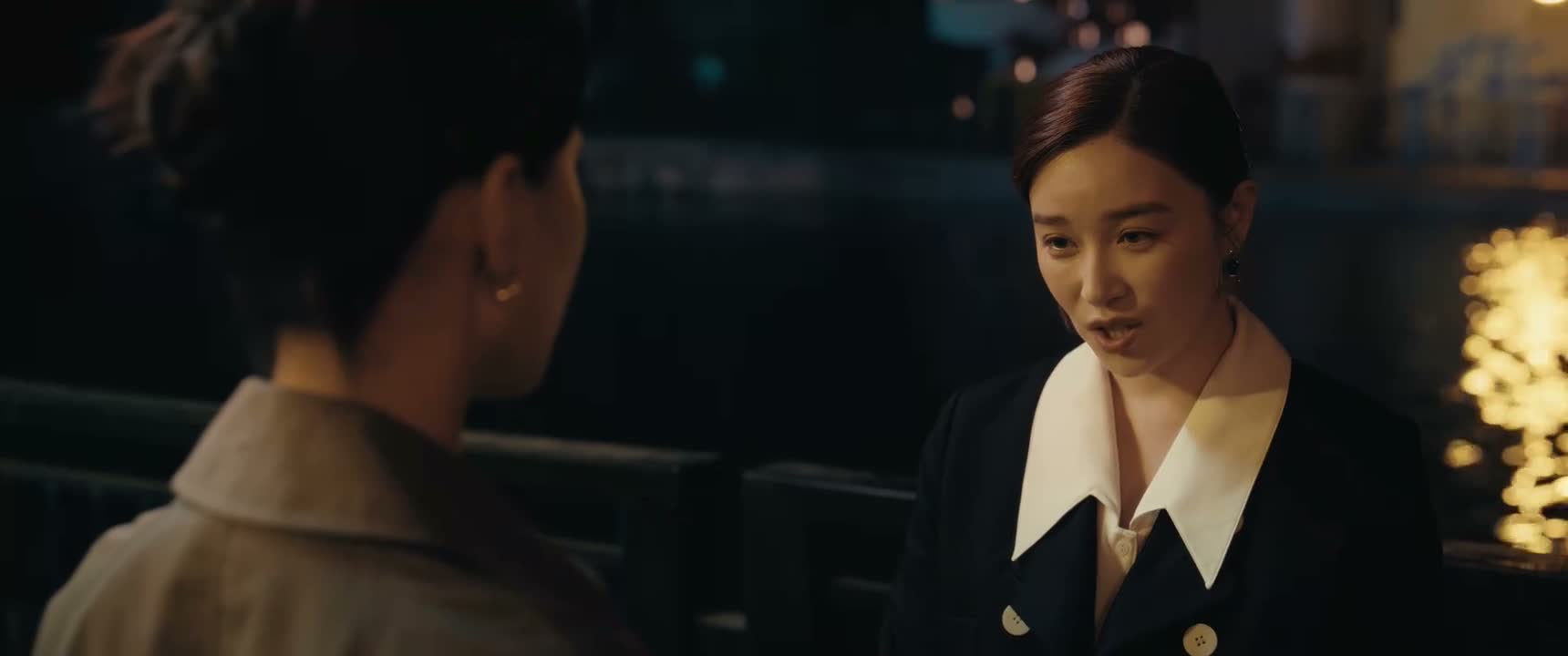
你怎知我这画中女子
“How do you know the woman in my painting”
THE DIALOGUE REEL
还挺好笑的
“a funny girl.”
你怎知我这画中女子
“How do you know the woman in my painting”
是你呢
“is you?”
“Don't be so conceited to assume it is you, unless you can prove why I would paint you.”
In traditional romantic dynamics, feelings are often expressed through indirect bantering and portraiture rather than direct confessions, creating poetic tension.
LEARNING CHUNKS & PARTICLES
how do you know
A slightly classical or poetic alternative to '你怎么知道', often used in period dramas or literary banter.
the woman in the painting
A poetic noun phrase commonly found in historical or romantic contexts referring to a painted muse.
VOCABULARY & EXPRESSIONS
Parallel Spoken Cinema Scenes (语义近邻切片)

“How did you know I'm here?”

“How do you know? Of course, I know.”

“How do you know? How do I know?”
“You know that I know. I know that you know.”

“Of course I noticed. I also know you pinched me to make me”

“I know. What do you know?”