MC
MandarinClips Cinema Corpus
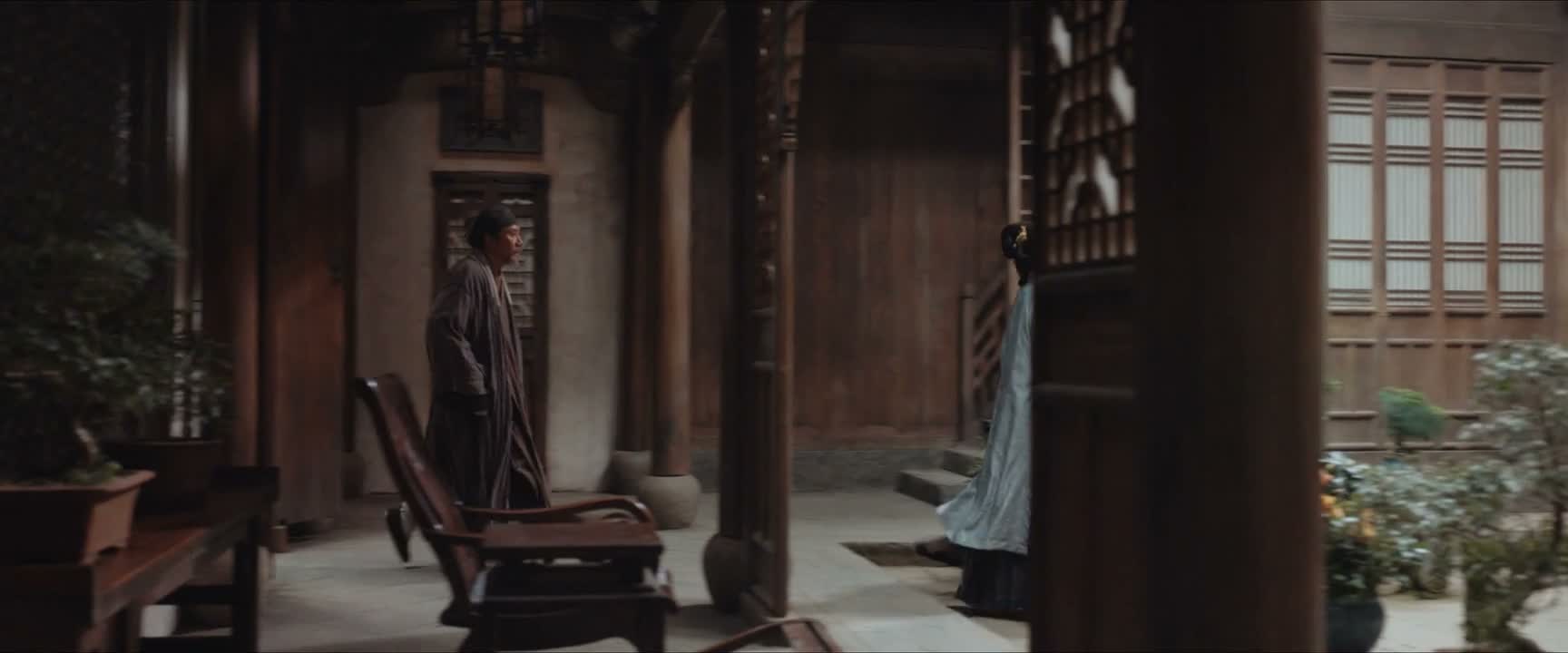
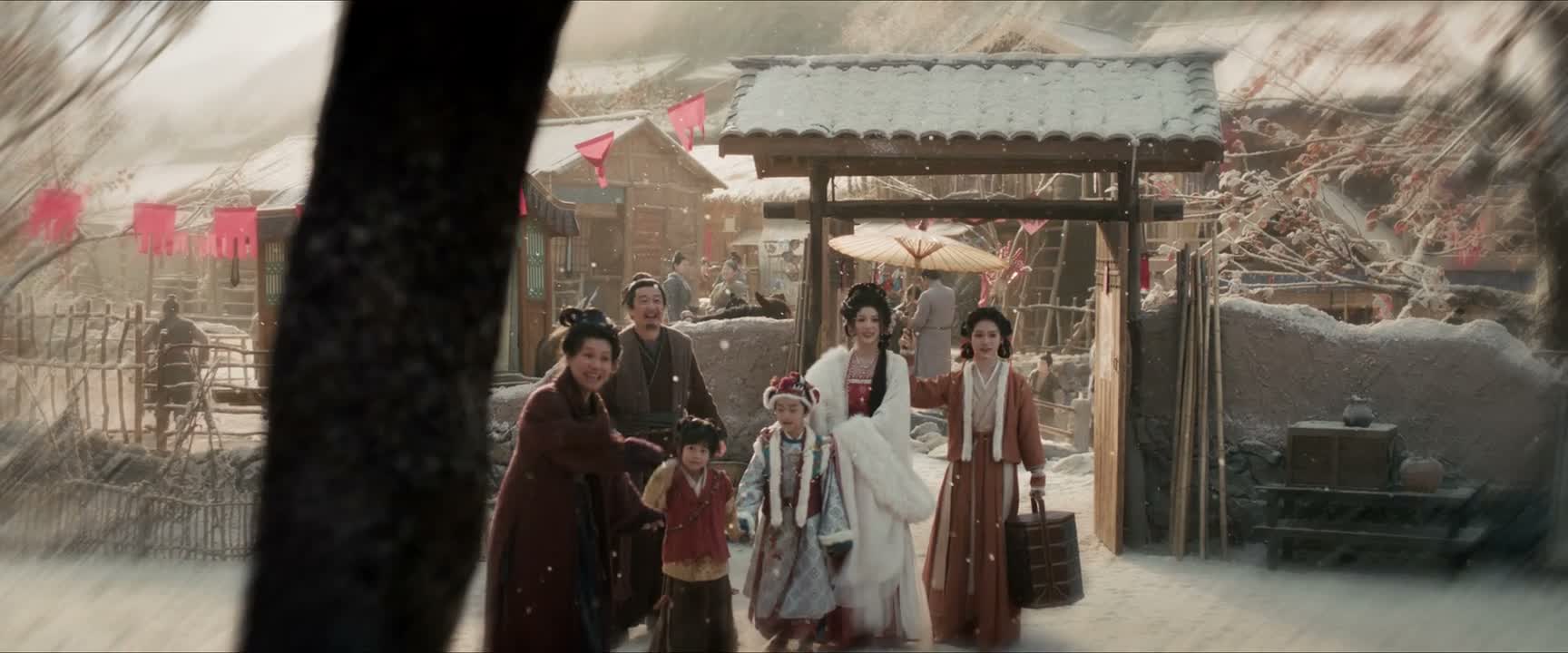
《Light to the Night》 S1·E5 (28:11) HSK 1
yāo ér kàn shuí lái le ?

幺儿 看谁来了?

“Kiddo. Look who's here.”

《Light to the Night》 S1·E5
TIMECODE: 28:11 · 1080P MASTER AUDIO

THE DIALOGUE REEL

1+1+1 SPOKEN CONTINUITY
[-1] PREVIOUS TURN xiǎo shāng méi shì kuài jìn lái

小伤 没事 快进来

“It's minor. Don't worry. Come in.”

yāo ér kàn shuí lái le ? CURRENT FOCUS

幺儿 看谁来了 ?

“Kiddo. Look who's here.”

[+1] FOLLOW-UP TURN zhè hái zi zhēn shì méi lǐ mào nǐ rǎn shū shū lái le

“This kid is so rude. Your Uncle Ran is here. Also, aren't you going to eat?”

Subtitles synced to millisecond timecode Browse Show Clips →
Scene: Family & Home
Function: SUMMONING AND DIRECTING ATTENTION
Tone: WELCOMING AND AFFECTIONATE
Emotion: JOY
WHAT THEY REALLY MEAN (PRAGMATIC SUBTEXT)
“Come out right now and say hello to our visitor!”
💡 Cultural Insight: Parental Hospitality and Child Etiquette (叫人)

In Chinese family culture, parents place great importance on having their children greet visiting elders immediately upon arrival as a mark of good upbringing (有家教).

INTENT TAGS: #greeting_prompt #hospitality #family_etiquette #summoning
🧩

LEARNING CHUNKS & PARTICLES

2 CHUNKS · 1 PARTICLES
幺儿 SPOKEN CHUNK

youngest child / baby (Southwestern Mandarin term of endearment)

Commonly used by parents in Sichuan/Chongqing to affectionately address their young child or favorite youngest offspring.

看谁来了 SPOKEN CHUNK

look who is here

A very standard prompt used to draw someone's attention (especially a child) to an arriving guest or pleasant surprise.

Modal Particle「了」 (le) CHANGE OF STATE

Marks the completion of arrival and actualizes the state change for immediate attention.
🏮

VOCABULARY & EXPRESSIONS

2 EXPR · 0 GRAMMAR
CROSS-CINEMA CORPUS BOARD · PARALLEL SCENES

Parallel Spoken Cinema Scenes (语义近邻切片)

EXPLORE BY SEMANTIC SIMILARITY
《Light to the Night》 S1·E5 (28:11) · Authentic Cinema Dialogue Corpus