你太没素质了
“You have no manners!”
THE DIALOGUE REEL
贝奇远
“Bei Qiyuan!”
你 太 没素质 了
“You have no manners!”
你好 给我一张去
“(Waiting Room) Hello, I'd like a ticket to...”
Direct spoken expression in this communicative setting.
Suzhi refers to an individual's personal cultivation and public manners; accusing someone of lacking suzhi is a serious public reprimand.
LEARNING CHUNKS & PARTICLES
ill-mannered / lacking basic public etiquette
A very common modern Chinese insult used to criticize people cutting lines, being loud, littering, or acting entitled.
Functions as an intensifier alongside '太' to heighten the degree of indignation.
VOCABULARY & EXPRESSIONS
Parallel Spoken Cinema Scenes (语义近邻切片)
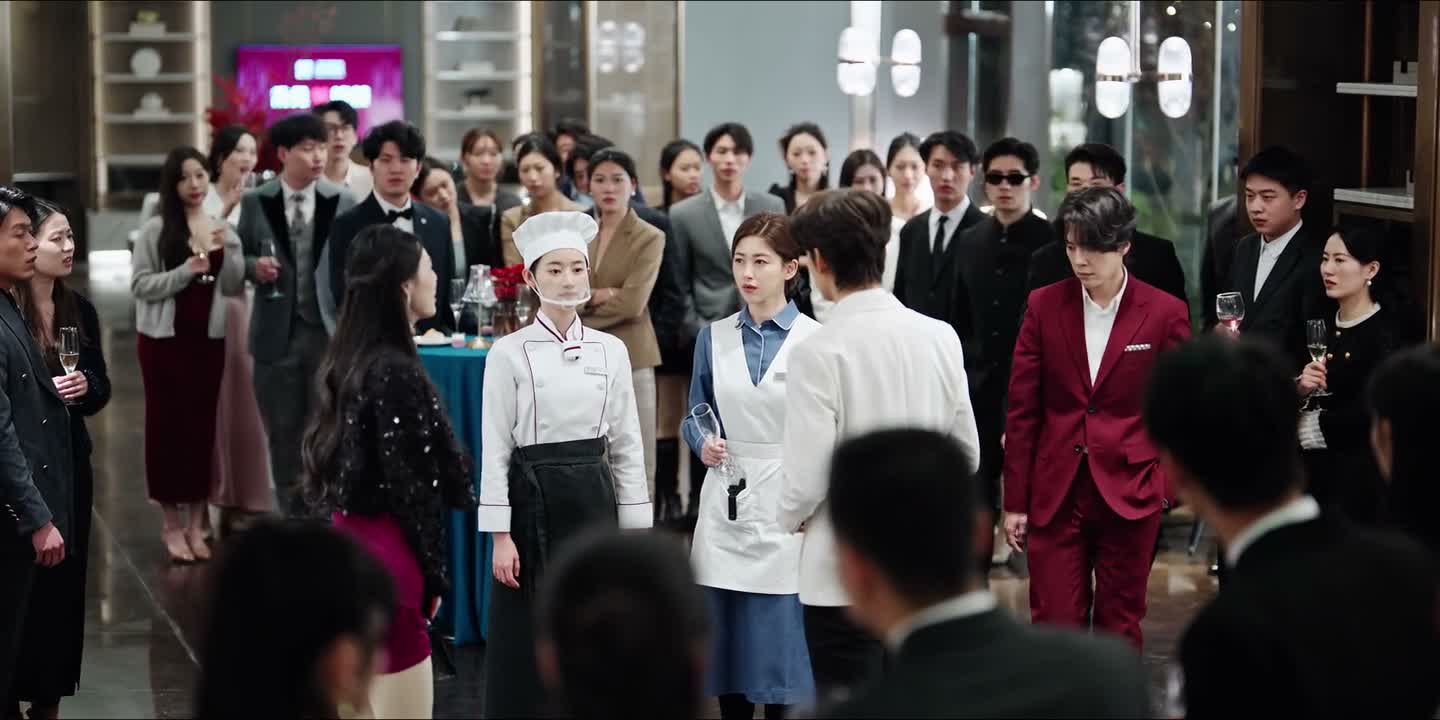
“This is unbelievably rude.”

“What's wrong with you? Have some manners.”

“You really have no manners.”

“How rude!”