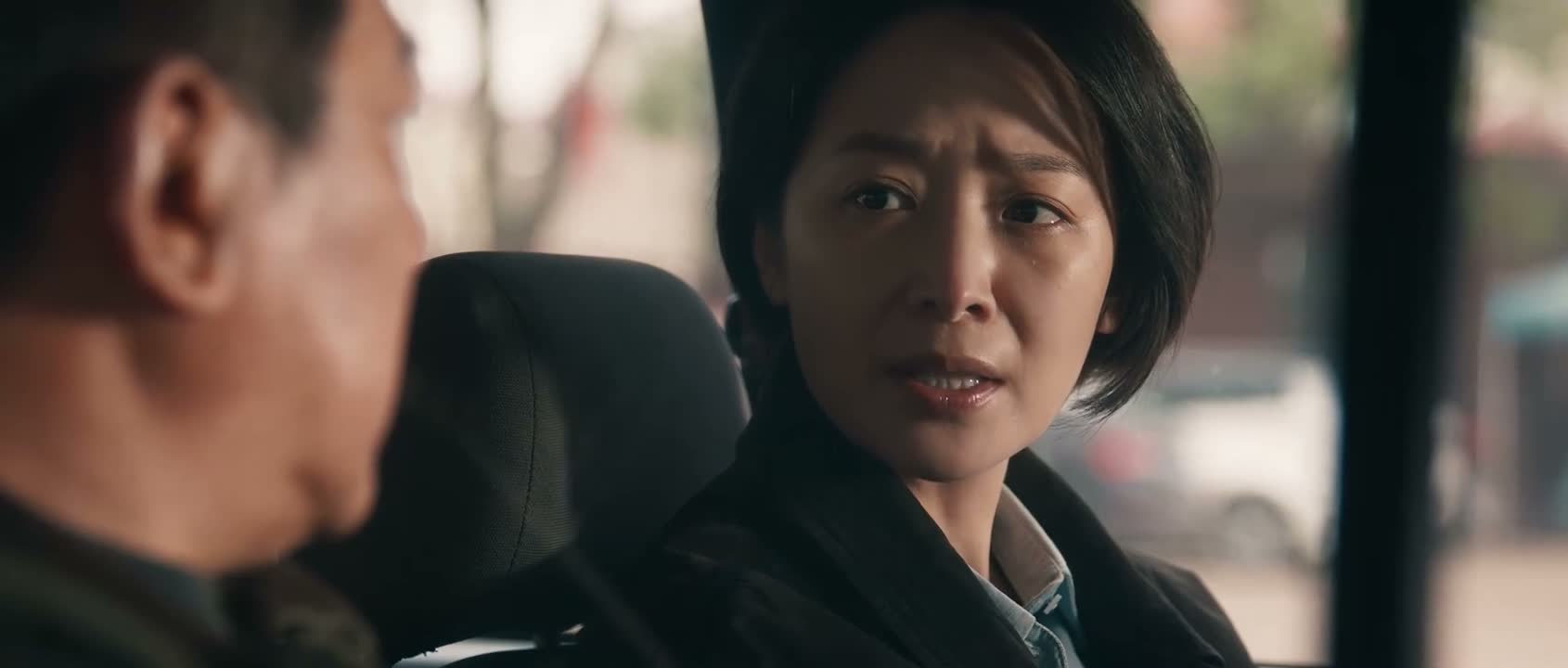
我跟你爸的养老不得指望你嫂子 跟你哥呀
“Your dad and I will have to rely on Aihong and your brother to take care of us.”
THE DIALOGUE REEL
“Once you get married, you won't be part of the family anymore. Your dad and I will have to rely on Aihong and your brother”
我跟你爸的 养老 不得指望 你嫂子 跟你哥呀
“Your dad and I will have to rely on Aihong and your brother to take care of us.”
你就知足吧 多少知青回城都没有工作
“Be grateful. So many educated youths are jobless once they return.”
“You will leave this family when married, so stop complaining—we must invest in the ones who will actually support us in our old age.”
Reflects the traditional Chinese patriarchal norm where sons (and daughters-in-law) bear primary responsibility for elder care, often leading parents to prioritize sons over daughters in resource allocation.
LEARNING CHUNKS & PARTICLES
elderly care or providing for one's parents in old age
A fundamental societal and familial concept in China referring to financial, medical, and emotional care for aged parents.
to count on, rely on, or pin hopes on
Commonly used in spoken Chinese to express dependence or high expectations on someone to resolve a future problem.
won't (one) have to / shouldn't (one)
Here pronounced 'bù děi', used rhetorically in Northern spoken Chinese to emphasize an inevitable necessity.
Softens the rhetorical question while reinforcing an obvious, common-sense conclusion.
VOCABULARY & EXPRESSIONS
Parallel Spoken Cinema Scenes (语义近邻切片)

“Your family is just worried about you.”
“and things are going well between you and your wife,”

“My dad had gone, my older brother had graduated,”

“I heard your wife was sick. So I came to see her.”

“Bro, I can tell you're a real expert.”

“What's he going to do for the rest of his life?”