不就是唱了几天老戏吗
“They just know some traditional opera.”
THE DIALOGUE REEL
“as if only those four can perform, and the rest of us are just shouting.”
不就是 唱了几天老戏 吗
“They just know some traditional opera.”
“Ask them to sing Hong Deng Ji. Ask them to sing Sha Jia Bang.”
“They are not special at all; they just happen to know older plays that don't even matter anymore.”
During periods of rapid ideological shifts in modern China, mastery of traditional repertoire was sometimes politically devalued or mocked by those pushing contemporary revolutionary model operas.
LEARNING CHUNKS & PARTICLES
isn't it just; merely
Used in rhetorical questions to belittle an achievement or downplay the importance of an event.
traditional Chinese opera
Refers to pre-modern classical drama repertoire, often contrasted with modern revolutionary model plays.
Forms a rhetorical question that aggressively seeks agreement on the insignificance of the subject.
VOCABULARY & EXPRESSIONS
Parallel Spoken Cinema Scenes (语义近邻切片)
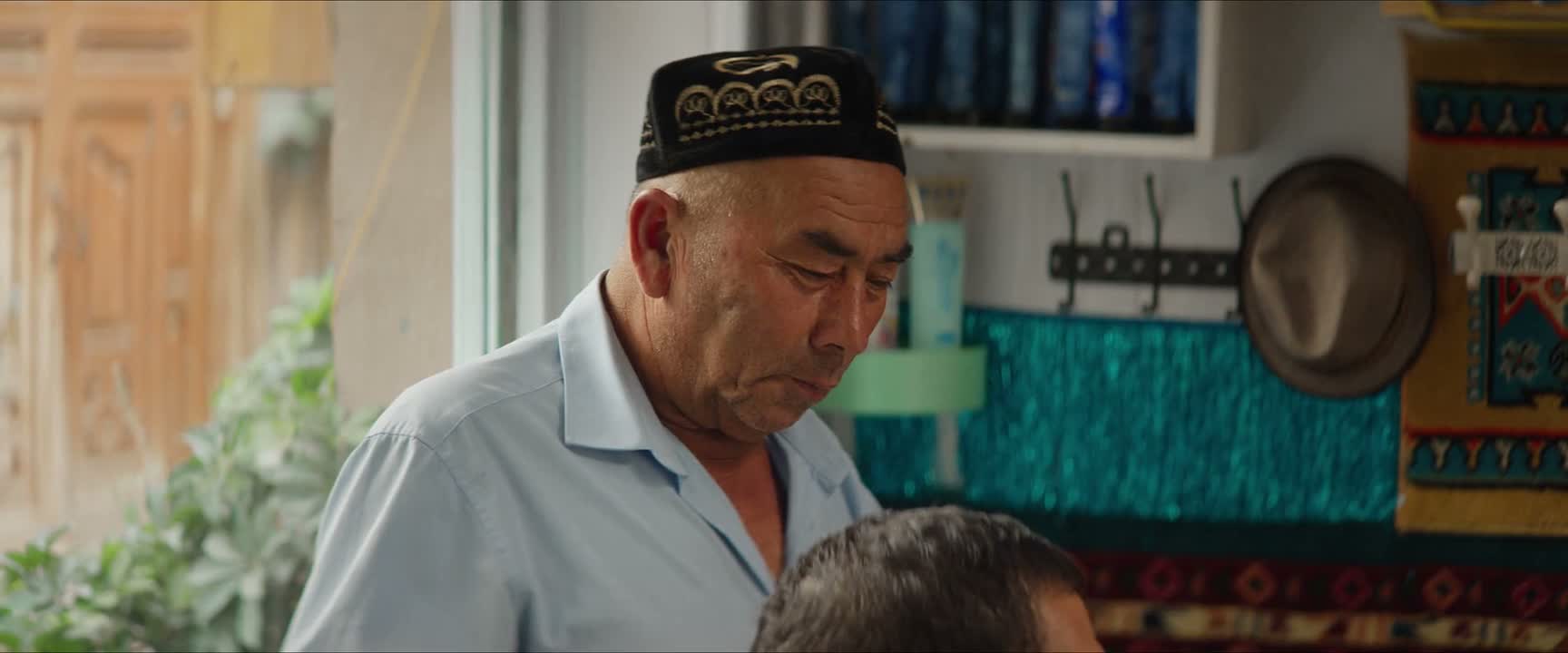
“I haven't sung that song for a long time.”
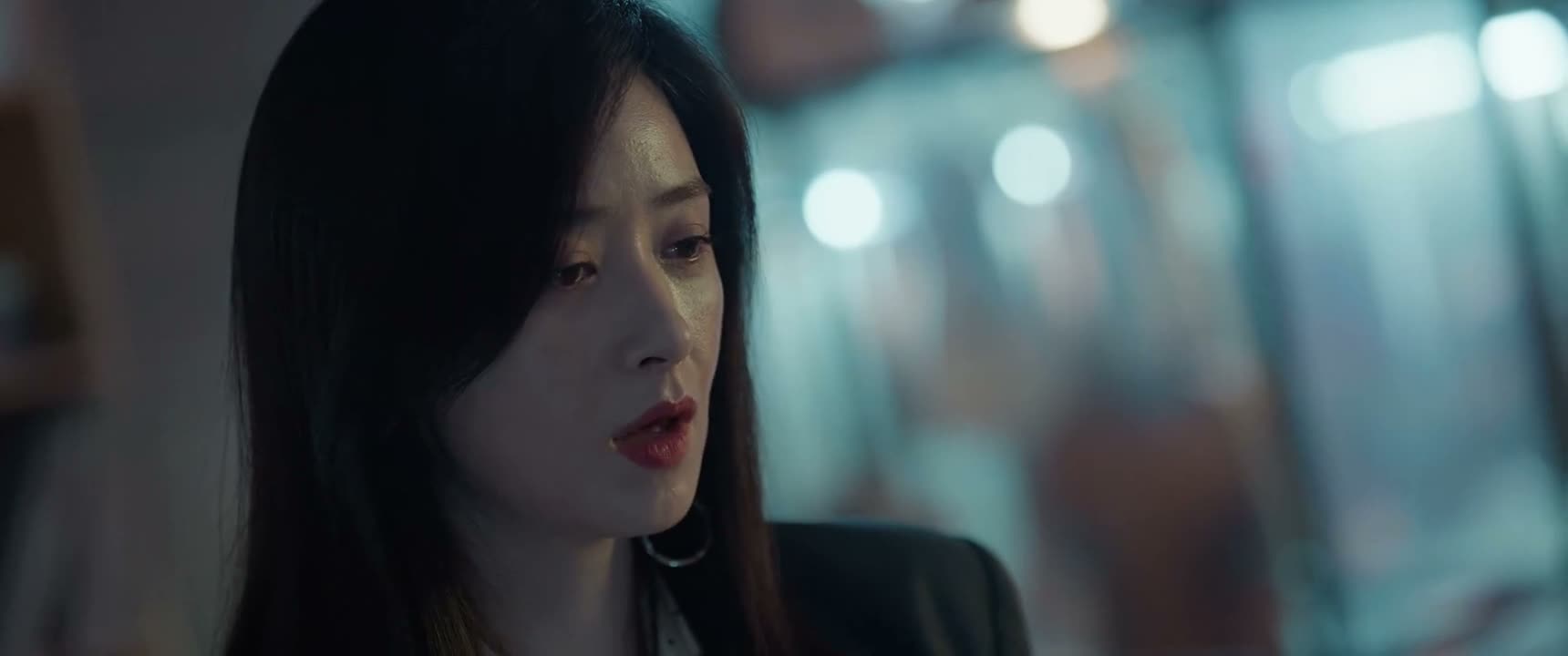
“You haven't played and sung for me in ages.”

“♪ Are you like me, lowering your head under the sun? ♪ This song is so old.”
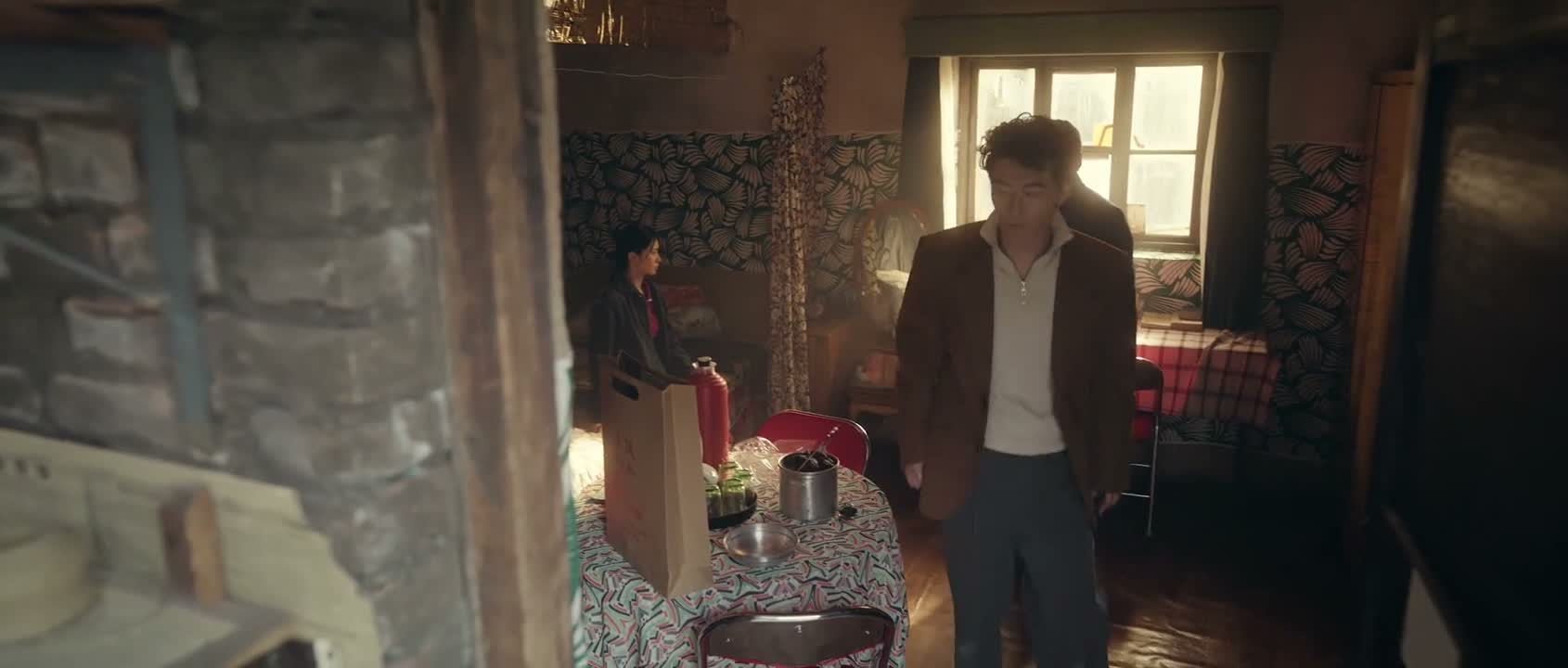
“She can't even perform now.”

“you guys could go from having shows to having none”

“I want to quit!”